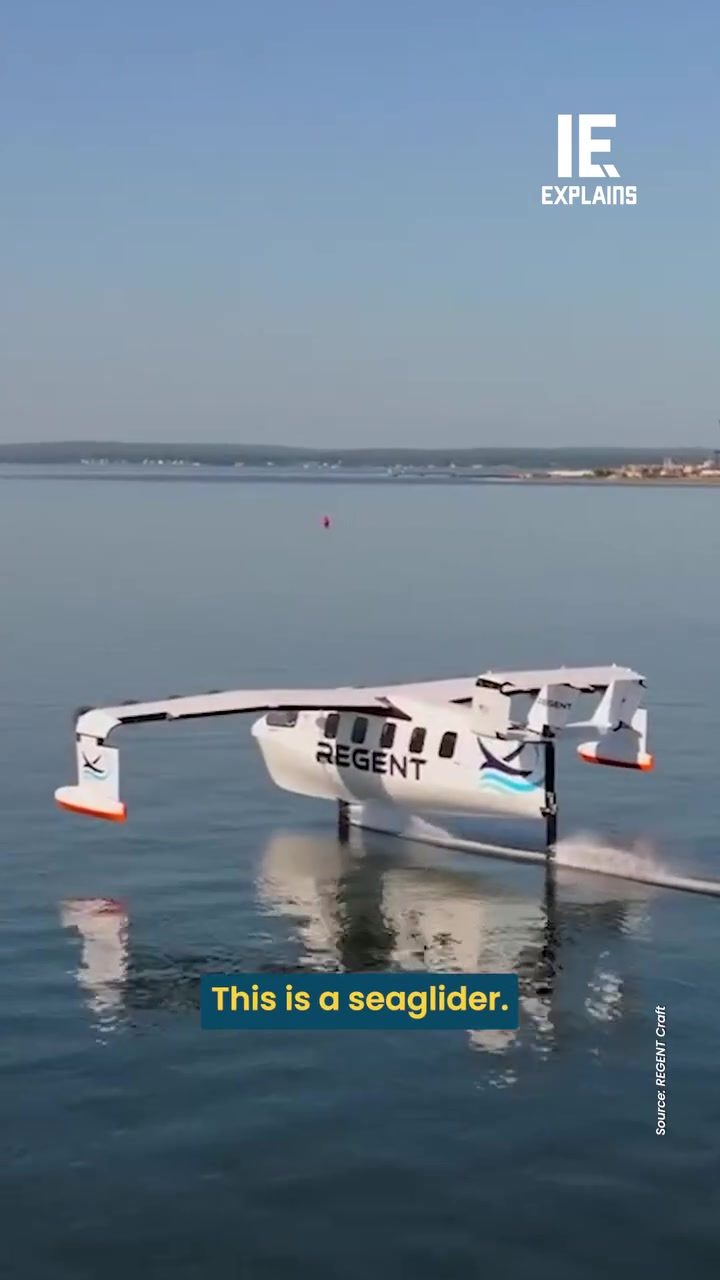
Seagliders: The Future of Electric Ground-Effect Vehicles?
Seagliders represent a new frontier in maritime transportation, combining the principles of aircraft and watercraft to create a unique and efficient mode of travel.
Context: Why This Matters
Seagliders, such as the Viceroy, are designed to operate in various water conditions, making them a versatile option for both passenger and cargo transport. They offer a potential solution to environmental concerns by reducing emissions and providing a quieter and smoother ride compared to traditional marine vessels. The ability to operate at high speeds without ever leaving the water opens up new possibilities for water-based travel and transportation.
Main Discussion
The Physics Behind Seagliders
Seagliders operate on the principle of electric ground effect, which involves flying a winged vehicle within about one wingspan of a surface. This creates a cushion of air between the vehicle and the water, reducing drag and increasing lift. The concept is not new; the Soviets developed ekranoplans decades ago, which used a similar principle. However, these early designs struggled with getting airborne in rough water and docking safely.
The Innovation of Hydrofoils
Regent's Viceroy addresses these challenges with retractable hydrofoils. These hydrofoils lift the hull clear of the water for takeoff, ensuring stability even in choppy conditions. Once airborne, the hydrofoils retract, allowing the seaglider to fly just above the water at speeds up to 180 miles per hour. For landing, the hydrofoils extend back down, enabling a gentle and safe entry into the harbor.
Electric Propulsion
The Viceroy is powered by 12 electric motors, providing a quiet and efficient propulsion system. The electric ground effect allows the seaglider to travel up to 180 miles on a single charge, making it a practical option for medium-range journeys. The electric motors are spread across the vehicle, ensuring a steady and stable ride.
Certification and Regulations
Because the Viceroy never fully leaves the water, it is being certified as a maritime vessel by the Coast Guard rather than as an aircraft. This classification avoids the need for traditional airport infrastructure, requiring only a dock for takeoff and landing. This makes seagliders a more straightforward and cost-effective solution for water-based travel.
Practical Tips
Choosing the Right Seaglider
When considering a seaglider for travel or transportation, it's essential to evaluate its specifications, such as passenger capacity, range, and speed. For instance, the Viceroy can carry 12 passengers and travel up to 180 miles per charge, making it suitable for various applications.
Docking and Infrastructure
One of the significant advantages of seagliders is their minimal infrastructure requirements. Since they operate from docks rather than runways, seagliders can be integrated into existing maritime infrastructure, reducing costs and simplifying their implementation.
Safety and Comfort
Seagliders offer a smooth and comfortable ride, thanks to their hydrofoil design. The ability to lift the hull out of the water during operation ensures stability and minimizes the impact of rough conditions. Additionally, the electric motors provide a quiet and vibration-free experience, making seagliders an attractive option for passenger transport.
Important Takeaways
- Efficient and Eco-Friendly: Seagliders offer a sustainable and efficient mode of transport, reducing emissions and noise pollution.
- Versatile Operation: With the ability to handle rough water conditions, seagliders are suitable for a wide range of applications.
- Minimal Infrastructure: Certification as maritime vessels allows seagliders to operate from docks, simplifying their integration into existing infrastructure.
- Comfort and Speed: Electric ground effect and hydrofoil technology provide a smooth and fast ride, making seagliders an appealing option for modern transportation.
Conclusion
Seagliders like the Viceroy represent a significant advancement in maritime transportation. By combining the principles of aircraft and watercraft, these vessels offer a versatile, efficient, and eco-friendly solution for water-based travel. With the ability to lift off and land on water, seagliders can navigate rough conditions and provide a comfortable and quiet ride. As the technology continues to develop, seagliders are poised to become a key player in the future of sustainable transportation.
Watch the Reel
Questions readers ask
What sets the Regent's Viceroy Seaglider apart from traditional boats?
The Regent's Viceroy Seaglider stands out due to its electric propulsion and hydrofoil technology, which enable it to travel swiftly and smoothly while minimizing environmental impact. Unlike traditional boats, it operates using the ground effect, which allows it to glide efficiently above the water's surface.
How does hydrofoil technology benefit the Regent's Viceroy Seaglider?
Hydrofoil technology provides several benefits, including increased speed, stability, and fuel efficiency. By lifting the hull out of the water at higher speeds, hydrofoils reduce drag, allowing the Viceroy Seaglider to travel faster and with less energy consumption, making it a greener option for water travel.
Can the Regent's Viceroy Seaglider operate in all water conditions?
Yes, the Regent's Viceroy Seaglider is designed to operate in various water conditions, making it highly versatile. It can navigate through calm waters, as well as handle choppy seas, thanks to its advanced hydrofoil system that stabilizes the craft and ensures a smooth ride.
What are the environmental benefits of using the Regent's Viceroy Seaglider?
The Viceroy Seaglider offers significant environmental benefits by reducing emissions and noise pollution. Its electric propulsion system eliminates the need for fossil fuels, making it a sustainable choice for water travel. Additionally, its smooth operation results in a quieter experience compared to traditional marine vessels.
What is the ground effect and how does it apply to seagliders?
The ground effect refers to the increased lift and reduced drag that an aircraft or, in this case, a watercraft experiences when operating close to a surface. Seagliders like the Regent's Viceroy utilize this effect to glide efficiently just above the water's surface, enhancing speed and stability while minimizing energy consumption.
How does the Regent's Viceroy Seaglider compare to other electric boats?
The Regent's Viceroy Seaglider distinguishes itself from other electric boats through its innovative use of hydrofoil technology and ground effect principles. This combination allows it to achieve higher speeds and better stability compared to conventional electric boats, while maintaining a strong commitment to sustainable water travel.
What types of journeys is the Regent's Viceroy Seaglider suitable for?
The Regent's Viceroy Seaglider is well-suited for a variety of journeys, from short trips to longer voyages. Its hydrofoil design and electric propulsion make it an excellent choice for both passenger and cargo transport, offering a swift, smooth, and eco-friendly travel experience in diverse water conditions.
Related deep dives
Similar reads based on topic and creator.


Recent articles
Fresh deep dives from the latest Reels we unpacked.




Comments
Be the first to comment.