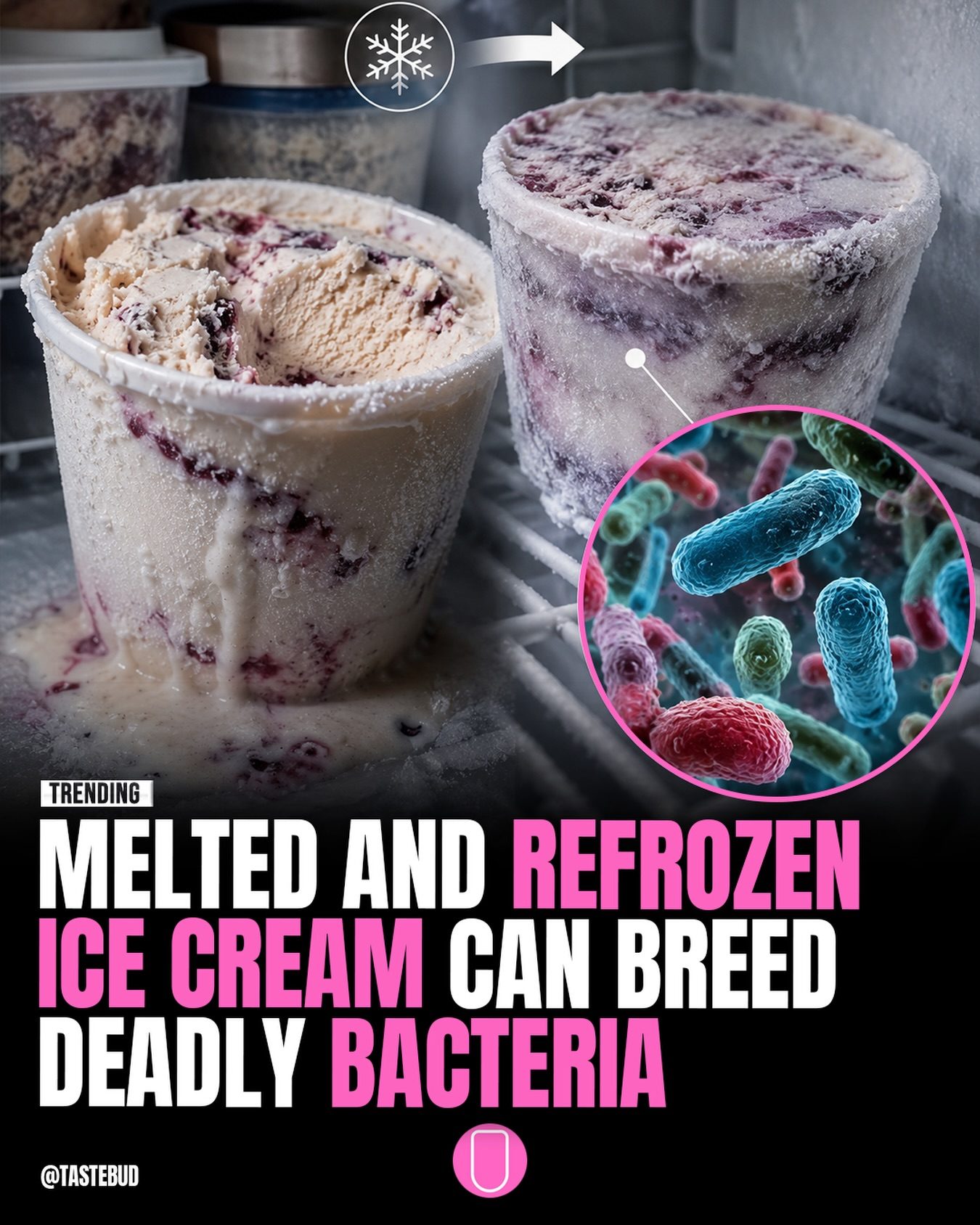
Melted and Refrozen Ice Cream: A Hidden Danger
Ice cream is a beloved treat, but what happens when it melts and is then refrozen? The process of refreezing melted ice cream can transform it into a potential breeding ground for bacteria, posing significant health risks.
Why This Matters
Understanding the dangers of refreezing melted ice cream is crucial for ensuring food safety, especially when it comes to preventing the growth of harmful bacteria like Listeria. This information is particularly important for groups that are more susceptible to foodborne illnesses.
Understanding the Risks
The Danger of Listeria
One of the primary concerns with refreezing melted ice cream is the potential for Listeria contamination. Listeria is a type of bacteria that can cause listeriosis, a serious infection that can be especially dangerous for pregnant women, newborns, the elderly, and those with weakened immune systems. Symptoms of listeriosis can range from mild flu-like symptoms to more severe conditions like meningitis and septicemia.
Changes in Texture
When ice cream melts and refreezes, its texture changes, becoming softer and more porous. This altered texture creates an ideal environment for bacteria to grow and multiply. The water content in the ice cream also increases, providing a moist environment that bacteria thrive in.
The Role of Food Safety Experts
Food safety experts consistently advise against refreezing melted ice cream. While it might look fine on the surface, the potential for bacterial growth makes it a significant health risk. The change in texture and the increased moisture content can make the ice cream a prime breeding ground for bacteria, even if it appears to be unaffected.
The Science Behind Bacterial Growth
ideal Conditions for Bacteria
Bacteria thrive in certain conditions, including warmth, moisture, and a suitable food source. When ice cream melts, the liquid state provides an ideal environment for bacteria to grow. The texture of refrozen ice cream, which becomes more porous and grainy, allows bacteria to easily penetrate and colonize, making it even more dangerous to consume.
Listeria and Cross-Contamination
Listeria is notorious for cross-contamination. This means that if the melted and refrozen ice cream is stored alongside other foods, it can contaminate them as well. This can lead to a chain of contamination affecting multiple food items, increasing the risk of infection.
Practical Tips for Preventing Bacterial Growth
Proper Storage
To prevent the risks associated with refreezing melted ice cream, proper storage is key. Always store ice cream in an airtight container in the freezer at a consistent temperature. Avoid exposing it to room temperature for extended periods to prevent melting.
Avoid Thawing and Refreezing
If your ice cream has melted, it's best to discard it. The risks of bacterial growth are not worth taking, even if the ice cream looks fine. Always prioritize food safety over the potential waste.
Important Takeaways
- Avoid refreezing melted ice cream as it can become a breeding ground for bacteria, particularly Listeria.
- The changed texture of refrozen ice cream makes it easier for bacteria to grow.
- Always prioritize food safety and discard any melted ice cream that has been refrozen.
- Proper storage and handling of ice cream can help prevent bacterial growth and contamination.
Conclusion
The decision to refreeze melted ice cream should be avoided to prevent the potential risks associated with bacterial growth. Prioritizing food safety and understanding the dangers of refreezing melted ice cream can help keep you and your loved ones safe from foodborne illnesses. By following the practical tips outlined above, you can ensure that your ice cream stays safe and enjoyable.
Watch the Reel
Questions readers ask
Can refreezing melted ice cream make you sick?
Yes, refreezing melted ice cream can potentially make you sick. The process allows certain harmful bacteria, like Listeria, to grow, which can lead to foodborne illnesses. This is especially concerning for those with weakened immune systems, pregnant women, the elderly, and young children.
What happens to ice cream when it melts and is refrozen?
When ice cream melts and is refrozen, it can create a prime environment for bacteria to thrive. The water in the melted ice cream can separate and create pockets where bacteria can grow rapidly, making the ice cream unsafe to consume.
How does Listeria get into ice cream?
Listeria can contaminate ice cream through various means, such as improper handling, storage, or contamination during the manufacturing process. When ice cream melts and is refrozen, it can provide an ideal environment for Listeria to grow, increasing the risk of foodborne illness.
What are the symptoms of Listeria food poisoning?
Symptoms of Listeria food poisoning, or listeriosis, can include fever, muscle aches, and gastrointestinal symptoms. In severe cases, it can lead to serious infections like meningitis or blood poisoning.
Can I refreeze ice cream that has melted and thaws in the fridge?
Refreezing ice cream that has melted and then thawed in the fridge is not recommended. Even if the ice cream was stored properly, the melting and refreezing process can still create an environment where bacteria can grow. It is best to discard melted ice cream that has been left out at room temperature for more than two hours.
How can I prevent bacteria from growing in my ice cream?
To prevent bacteria from growing in your ice cream, make sure it is stored at a consistent temperature of 0°F (-18°C) or lower. Avoid leaving ice cream at room temperature for extended periods, and discard any ice cream that has melted and been left out for more than two hours.
Related deep dives
Similar reads based on topic and creator.



Recent articles
Fresh deep dives from the latest Reels we unpacked.




Comments
Be the first to comment.