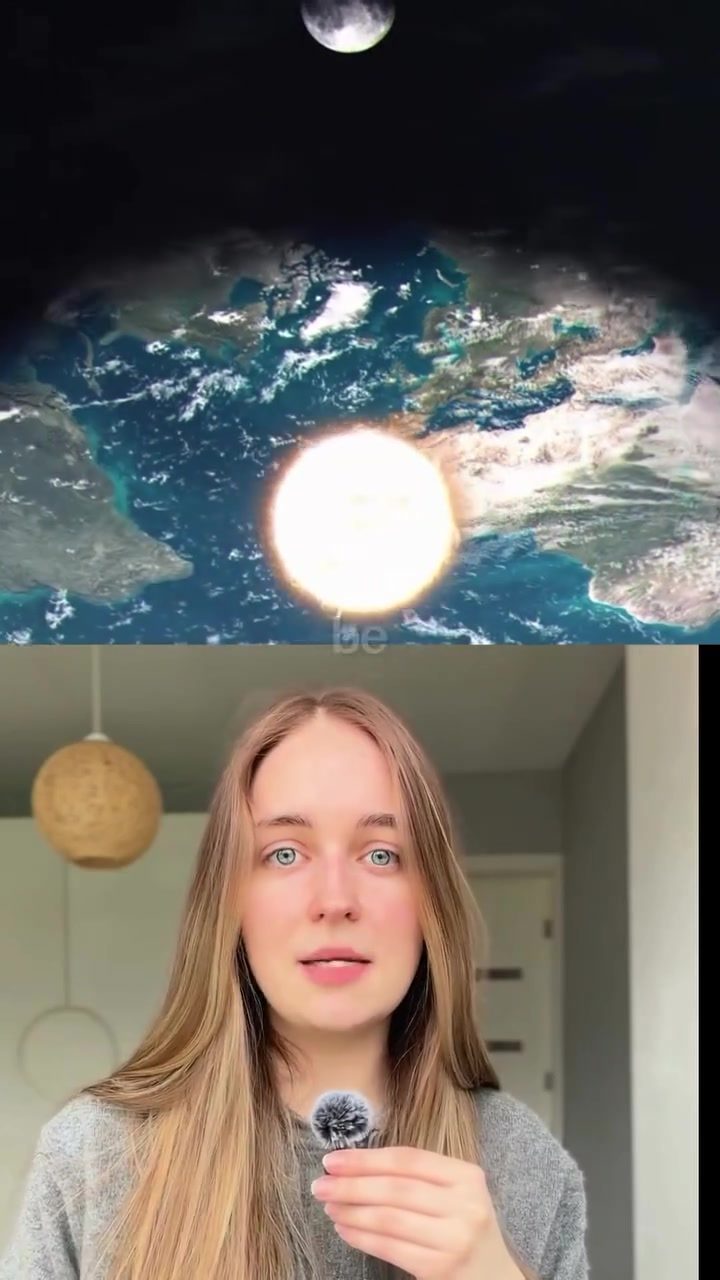
Reflect Orbital is a pioneering startup aiming to revolutionize how we harness solar energy, especially during the night. They are deploying giant mirrors in space to beam sunlight back down to Earth’s surface, effectively extending the day for solar farms and emergency lighting during disasters.
Context / Why this matters
The concept of reflecting sunlight from space to Earth isn't new, but Reflect Orbital’s approach is gaining traction rapidly. The idea is to utilize the constant availability of sunlight in space to provide continuous power on Earth, particularly in regions where natural sunlight is limited or unavailable.
How It Works
The process involves several key components:
Space-Based Mirrors
Reflect Orbital’s technology relies on large mirrors placed in orbit. These mirrors are designed to capture sunlight during the day and reflect it back to Earth. The mirrors can be adjusted to focus the light on specific locations, making them versatile for various needs.
Application and Use Cases
Power Generation
The primary application is to enhance power generation from solar farms. By beaming sunlight onto solar panels even after sunset, these mirrors can ensure that solar farms continue to generate power around the clock. This continuous power supply can help stabilize the grid and reduce the reliance on traditional fossil fuel-based backup systems.
Emergency Lighting
One of the most intriguing aspects of this technology is its potential for emergency situations. Imagine a natural disaster striking at night, causing a widespread power outage. Rescue teams could use the app to request sunlight beamed to their location, providing much-needed illumination for rescue and relief operations.
User Interaction
Users interact with the system through a mobile app, where they can drop their location, and the mirrors in space will tilt and beam sunlight straight onto their spot. This interactive approach makes the technology accessible and user-friendly.
Current Progress
The initiative is already moving forward with notable support and interest. Sequoia, a prominent venture capital firm, is backing the project. This backing, along with the 260,000 people who have already requested sunlight, highlights the growing interest and potential market for this technology. Reflect Orbital aims to have 4,000 mirrors circling the planet by 2030, which would significantly increase the reach and impact of their technology.
The Vision
Reflect Orbital’s vision extends beyond just solar farms and emergency lighting. The mirrors could potentially be used to illuminate remote or underdeveloped areas, providing a sustainable source of light and energy.
Practical Tips
For those interested in the technology, here are some practical tips:
Stay Informed
Keep an eye on Reflect Orbital’s progress and updates. The company’s website and social media channels will provide the latest developments and opportunities to get involved.
Request Sunlight
If you are in a location that could benefit from additional sunlight, especially during the night, consider requesting sunlight through the app. This not only helps you but also contributes to the data and demand that Reflect Orbital uses to improve their service.
Advocate for Renewable Energy
Supporting initiatives like Reflect Orbital can contribute to a more sustainable future. Advocate for renewable energy solutions in your community and encourage others to explore and adopt similar technologies.
Important Takeaways
Technological Innovation
Reflect Orbital’s technology represents a significant leap in renewable energy solutions. By extending the availability of sunlight, it can enhance the efficiency and reliability of solar power.
Emergency Preparedness
The potential for emergency lighting in disaster relief is invaluable. Imagine a scenario where rescue teams can use sunlight as a reliable light source, even in the darkest of times. This technology could save lives and aid in quicker recovery efforts.
Community and Support
The backing from Sequoia and the enthusiastic response from the public underscore the potential and the need for such initiatives. It shows that there is a growing demand for sustainable and innovative energy solutions.
Future Prospects
With plans to deploy 4,000 mirrors by 2030, Reflect Orbital is poised to significantly impact how we think about and utilize solar power. Their technology could pave the way for a future where solar energy is available 24/7, making renewable energy a more practical and reliable option.
Conclusion
Reflect Orbital’s mission to beam sunlight from space to Earth is a groundbreaking initiative that has the potential to revolutionize solar power generation and emergency response. By leveraging space-based mirrors, they offer a sustainable and innovative solution to some of the most pressing energy challenges. As this technology develops, it will be exciting to see how it transforms the way we harness and utilize solar energy, ensuring a brighter, more sustainable future for all.
Watch the Reel
Questions readers ask
How do Reflect Orbital's space mirrors work to provide solar power at night?
Reflect Orbital's space mirrors are designed to capture sunlight in space, where it is constantly available, and then reflect it back to Earth's surface. This reflected sunlight can be used to power solar farms, ensuring continuous energy production even when it's dark on the ground, thus providing solar power at night.
What are the benefits of using orbital sunlight reflection for solar farms?
Orbital sunlight reflection allows solar farms to generate electricity 24/7. By extending the operational hours of solar farms, Reflect Orbital's technology helps to maximize energy production and enhance the reliability of solar power as a consistent energy source, especially in regions with limited daylight hours.
Can Reflect Orbital's technology be used for emergency solar power during disasters?
Yes, Reflect Orbital's mirrors in space can provide emergency lighting and power during disasters. By beaming sunlight to areas affected by power outages or natural disasters, the technology can support emergency response efforts and help communities recover more quickly, even after sunset.
How does Reflect Orbital's approach to space-based solar power differ from traditional solar energy systems?
Traditional solar energy systems rely on sunlight that is available only during the day and are affected by weather conditions. Reflect Orbital's approach to space-based solar power captures sunlight in space and redirects it to Earth, ensuring a constant and reliable energy source. This provides power continuously, including solar power after sunset and during cloudy weather.
What challenges does Reflect Orbital face in deploying giant space mirrors for solar power?
Reflect Orbital faces several challenges, including the technical complexity of launching and maintaining large mirrors in orbit, ensuring precise aiming of reflected sunlight, and managing the costs associated with space-based infrastructure. Additionally, the company needs to address regulatory and safety concerns related to space debris and light pollution.
Related deep dives
Similar reads based on topic and creator.



Recent articles
Fresh deep dives from the latest Reels we unpacked.



Comments
Be the first to comment.