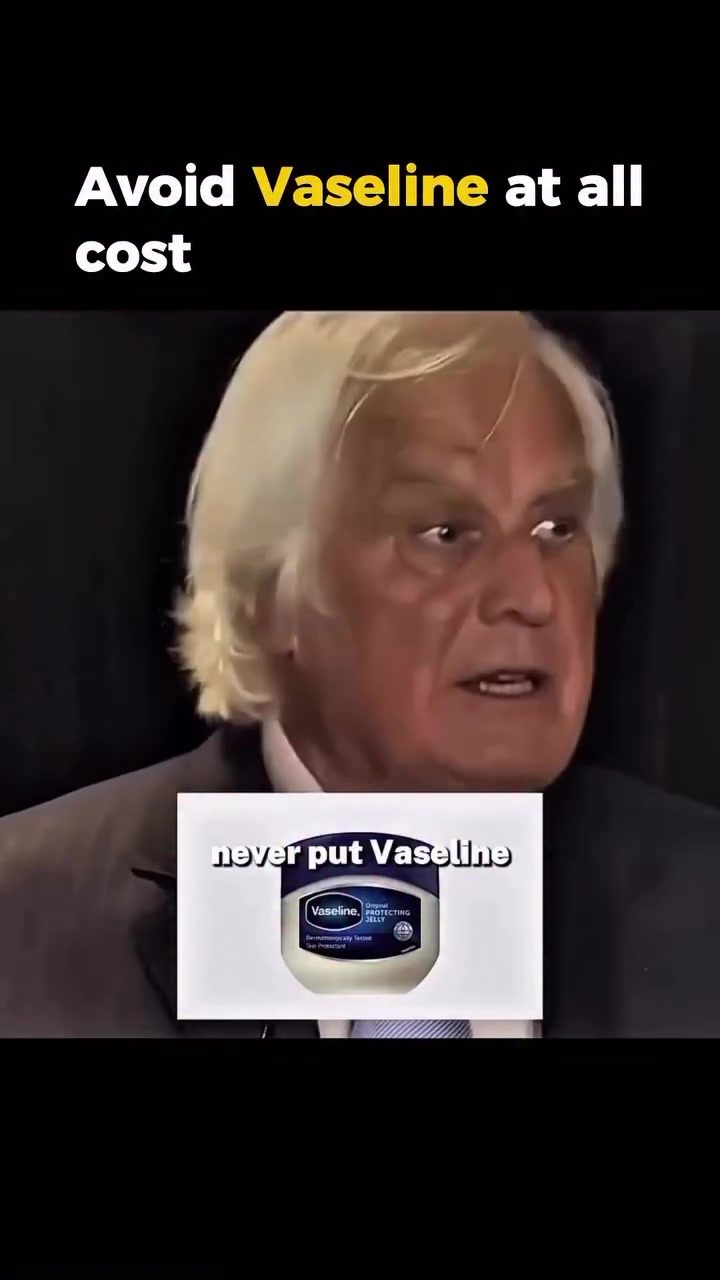
Vaseline: What You Need to Know About This Common Moisturizer
Vaseline, a well-known petroleum jelly, is a staple in many households for its perceived moisturizing benefits. However, a closer look reveals several concerns that warrant reconsideration of its use.
Why This Matters
Your skin is your body's largest organ and acts as a barrier against environmental threats. What you apply to your skin can significantly impact your overall health. Vaseline, despite its widespread use, contains ingredients that may pose long-term health risks. Understanding these risks is crucial for making informed skincare choices.
Main Discussion
Ingredients to Consider
Vaseline is made from petroleum, the same substance used to produce gasoline and plastic. While this might seem harmless, the refining process can leave behind contaminants. The primary concern is the presence of polycyclic aromatic hydrocarbons (PAHs). These compounds are known carcinogens and can be present in petroleum jelly that is not fully refined. Most drugstore versions of Vaseline fall into this category, potentially exposing users to these harmful substances.
Hormone Disruptors and Undisclosed Chemicals
Vaseline often includes the term "fragrance" in its ingredient list. This seemingly innocuous word can encompass a myriad of undisclosed chemicals, many of which are hormone disruptors and carcinogens. Hormone disruptors interfere with your body's endocrine system, affecting everything from your reproductive health to your metabolism. Over time, these chemicals can accumulate, leading to chronic health issues.
Fragrance: The Harmless Word
The term "fragrance" is a catch-all for a variety of chemicals. These can include phthalates, which are known to disrupt hormone function, and other compounds that can cause skin irritation and allergic reactions. The lack of transparency in labeling means consumers are often unaware of the exact chemicals they are exposing themselves to.
The Science Behind Vaseline
Scientific research on skincare ingredients continually evolves, providing updated insights into their safety and efficacy. Vaseline, while historically considered safe, is now being scrutinized for its long-term effects. The absence of rigorous, up-to-date research on Vaseline's ingredients is a significant concern.
Alternatives to Vaseline
Given the potential risks associated with Vaseline, exploring alternative moisturizers is essential. Natural and organic options, such as shea butter, coconut oil, and aloe vera, offer hydration without the same level of risk. These alternatives are often richer in vitamins and antioxidants, providing additional benefits for your skin and overall health.
Practical Tips
Reading Labels
When selecting a moisturizer, pay close attention to the ingredient list. Look for products with transparent labeling and avoid those with vague terms like "fragrance." Opt for products with a shorter ingredient list, as they are less likely to contain hidden chemicals.
Researching Ingredients
Take the time to research the ingredients in your skincare products. Understanding what you are applying to your skin can help you make more informed decisions about your health. Look for products with a proven track record of safety and efficacy.
Consulting Professionals
Consulting with a dermatologist or a skincare specialist can provide personalized advice tailored to your skin's needs. They can help you navigate the complexities of ingredient lists and recommend safer alternatives to Vaseline.
Choosing Natural and Organic Options
Natural and organic skincare products are often gentler on the skin and free from the harsh chemicals found in many commercial moisturizers. While they may be slightly more expensive, the long-term benefits for your health are invaluable.
Important Takeaways
Vaseline is not as harmless as it seems:
- Made from petroleum, it can contain carcinogenic compounds.
- The term "fragrance" can hide a multitude of harmful chemicals.
- Long-term use may contribute to your body's toxic load, affecting cellular repair and overall health.
Alternative moisturizers:
- Natural and organic options like shea butter, coconut oil, and aloe vera are safer.
- Research and consult with professionals to choose the best products for your skin.
Conclusion
Vaseline, while a popular choice for moisturizing, has several concerning ingredients and potential health risks. By understanding the science behind skincare and choosing safer alternatives, you can take better care of your skin and overall health. Make informed choices by reading labels, researching ingredients, and consulting with skincare professionals. Your skin will thank you for it.
Watch the Reel
Questions readers ask
What are the main contaminants found in Vaseline?
Vaseline, derived from petroleum, can contain contaminants such as polycyclic aromatic hydrocarbons (PAHs), which are known carcinogens. These contaminants can enter the product during the refining process and may pose health risks with prolonged use.
Can Vaseline cause skin irritation?
Yes, Vaseline can cause skin irritation in some individuals. The undisclosed chemicals and contaminants in Vaseline may lead to redness, itching, or allergic reactions, particularly for those with sensitive skin.
Does Vaseline contain hormone-disrupting chemicals?
Vaseline's ingredient list often includes undisclosed chemicals that could potentially disrupt hormones. These chemicals can mimic or interfere with natural hormones in the body, leading to various health issues over time.
What are the potential long-term effects of using Vaseline?
Long-term use of Vaseline may increase the risk of cellular damage and skin irritation due to its contaminants and undisclosed chemicals. Additionally, the potential for hormone disruption and exposure to carcinogens could lead to more serious health concerns.
Is fragrance-free Vaseline a safer alternative?
While fragrance-free Vaseline may reduce the risk of irritation caused by added scents, it still contains the same base ingredients and potential contaminants as other varieties. Therefore, it may not be a significantly safer alternative for long-term use.
What are some healthy alternatives to Vaseline?
There are several safe, natural, and effective alternatives to Vaseline. Options like coconut oil, shea butter, and jojoba oil are free from the contaminants and chemicals found in Vaseline and can be used to moisturize the skin without the potential health risks.
How does the skin absorb what is applied to it?
The skin, particularly when compromised or irritated, can absorb various substances, including potential toxins and chemicals found in products like Vaseline. This absorption can lead to accumulation in the body and potential systemic effects over time.
Recent articles
Fresh deep dives from the latest Reels we unpacked.




Comments
Be the first to comment.