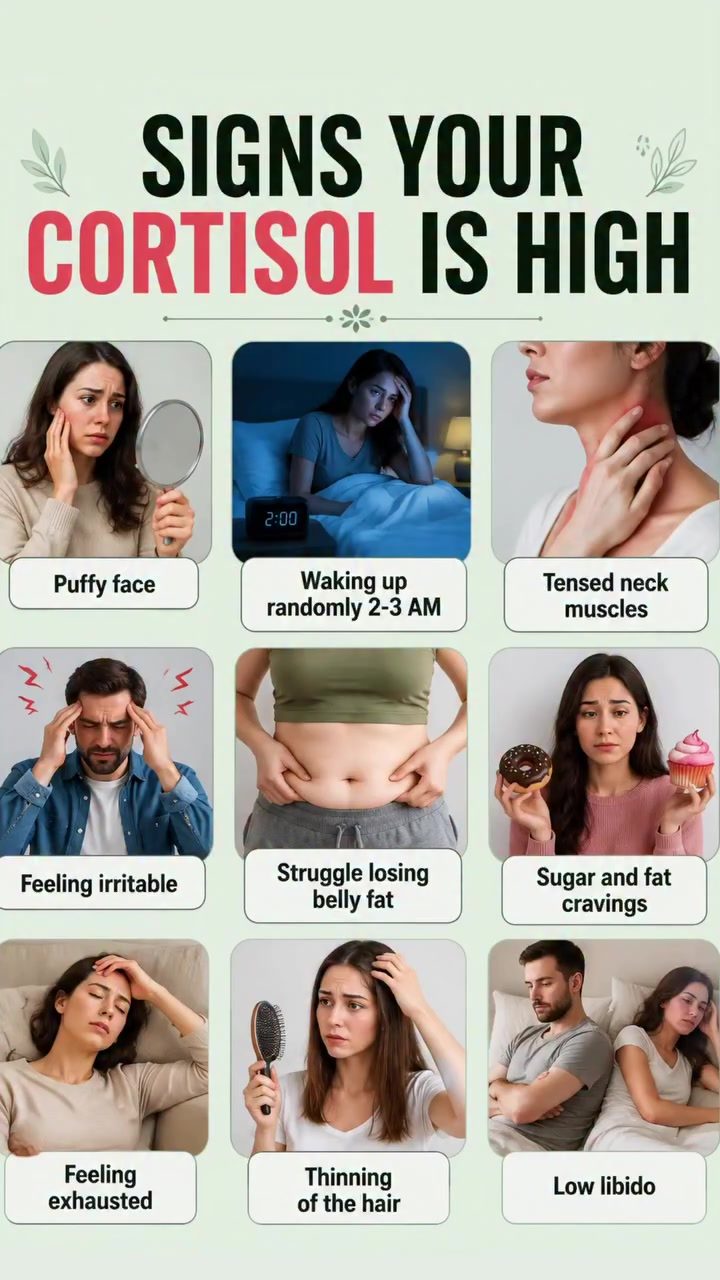
Cortisol, your body's primary stress hormone, plays a crucial role in managing various physiological processes. While short-term increases in cortisol levels are a normal response to stress, prolonged elevation can have significant impacts on your health. Understanding the signs of high cortisol is essential for maintaining overall well-being and addressing potential underlying issues.
Why This Matters
Chronically elevated cortisol levels can disrupt your sleep patterns, mood, metabolism, and overall health. Recognizing the signs early can help you take proactive steps to manage stress and seek appropriate medical attention if necessary. This guide will walk you through the common symptoms associated with high cortisol levels, providing you with the knowledge to assess your own health and make informed decisions.
Main Discussion
Understanding Cortisol
Cortisol is produced by the adrenal glands and is released in response to stress. Its primary function is to help the body manage stress and regulate metabolism, blood sugar levels, and inflammation. In normal circumstances, cortisol levels follow a natural circadian rhythm, peaking in the early morning and declining throughout the day.
However, chronic stress can lead to an overproduction of cortisol, which can disrupt this natural balance. Prolonged elevated cortisol levels can have a wide range of effects on the body, including weight gain, mood disorders, and increased risk of various health conditions.
Symptoms of High Cortisol
Identifying the symptoms of high cortisol is the first step in managing this condition. While these symptoms can have multiple causes, recognizing them can prompt further investigation and appropriate intervention.
Physical Symptoms
- Puffy or Rounded Face: One of the more visible signs of high cortisol is a puffy or rounded face. This occurs due to the redistribution of fat to the face, a condition known as "moon face."
- Muscle Tension: Chronically elevated cortisol levels can lead to muscle tension, particularly in the neck and shoulders. This tension can result in frequent headaches and discomfort.
- Belly Fat: High cortisol can make it difficult to lose belly fat. This is because cortisol promotes the storage of fat in the abdominal area, leading to a more pronounced midsection.
- Thinning Hair: Hair thinning or increased hair shedding can be a sign of high cortisol. Prolonged stress can disrupt the hair growth cycle, leading to noticeable hair loss.
- Weight Gain: Cortisol encourages the body to store more fat, particularly in the abdomen. This can lead to weight gain despite efforts to maintain a healthy weight.
Behavioral and Emotional Symptoms
- Irritability and Anxiety: High cortisol levels can make you feel more irritable and anxious. This emotional imbalance can affect your daily interactions and overall mood.
- Fatigue: Persistent fatigue is another common symptom. While feeling tired is normal after a stressful day, chronic fatigue can be a sign that your body is struggling to manage stress.
- Sugar and Fat Cravings: Cortisol can increase cravings for sugary and fatty foods. These cravings are the body's way of seeking energy to cope with stress, but they can lead to unhealthy eating habits.
- Disrupted Sleep: Waking up randomly between 2-3 AM is a classic sign of high cortisol. This disruption in sleep patterns can leave you feeling unrefreshed and fatigued during the day.
- Low Libido: Chronic stress can also affect your libido. Cortisol can interfere with the hormones that regulate sexual desire, leading to a decrease in sexual interest.
Causes of High Cortisol
Understanding the causes of high cortisol is critical for addressing the issue effectively.
- Chronic Stress: The primary cause of elevated cortisol levels is chronic stress. Prolonged stress can keep cortisol levels high, leading to the symptoms mentioned above.
- Medications: Certain medications, such as oral corticosteroids, can increase cortisol levels. If you are taking medication, it's essential to discuss potential side effects with your healthcare provider.
- Medical Conditions: Conditions like Cushing syndrome, a disorder where the body produces too much cortisol, can also cause elevated cortisol levels. This condition often requires medical intervention.
- Poor Lifestyle Choices: Poor diet, lack of exercise, and inadequate sleep can all contribute to elevated cortisol levels. Addressing these lifestyle factors can help manage cortisol more effectively.
Practical Tips
Managing high cortisol levels involves a combination of lifestyle changes and stress management techniques. Here are some practical tips to help you address this issue:
Sleep and Rest
Aim for 7-9 hours of sleep per night. Establishing a consistent sleep schedule can help regulate cortisol levels and improve overall health. Avoid screens before bed and create a relaxing bedtime routine to promote better sleep.
Regular Exercise
Regular physical activity can help reduce cortisol levels. Aim for at least 30 minutes of moderate exercise most days of the week. Avoid overtraining, as intense exercise can also elevate cortisol levels.
Balanced Diet
A balanced, protein-rich diet can help regulate cortisol levels. Focus on whole foods, lean proteins, healthy fats, and plenty of fruits and vegetables. Avoid processed foods and excessive sugar, which can exacerbate cortisol levels.
Stress Management Techniques
Stress management techniques, such as mindfulness meditation, deep breathing, and progressive muscle relaxation, can help lower cortisol levels. Incorporate these practices into your daily routine to manage stress more effectively.
Consult a Healthcare Provider
If symptoms persist or are severe, it's essential to consult a healthcare provider. Testing is needed to diagnose cortisol disorders, such as Cushing syndrome, and determine the best course of treatment.
Important Takeaways
- Chronic stress can lead to elevated cortisol levels, affecting sleep, mood, and overall health.
- Recognizing the symptoms of high cortisol is the first step in addressing the issue.
- Symptoms can include a puffy or rounded face, muscle tension, weight gain, and emotional imbalances.
- Managing high cortisol levels involves a combination of lifestyle changes, stress management, and medical intervention when necessary.
Conclusion
Cortisol plays a vital role in managing stress and regulating various physiological processes. While temporary increases in cortisol levels are normal, chronic elevation can have significant impacts on your health. Recognizing the signs of high cortisol and taking proactive steps to manage stress can help maintain overall well-being. By understanding the symptoms and causes, and implementing practical tips for managing cortisol, you can take control of your health and improve your quality of life.
Watch the Reel
Questions readers ask
What are the most common physical symptoms of high cortisol levels?
The most common physical symptoms of high cortisol levels include a rounded face, often referred to as a 'moon face,' weight gain, particularly around the midsection and upper back, and muscle tension or weakness. Other symptoms can include easy bruising and thinning skin, and changes in skin color, such as reddish-purple stretch marks.
How does high cortisol affect sleep patterns?
High cortisol levels can significantly disrupt sleep patterns. Elevated cortisol can lead to insomnia, making it difficult to fall asleep or stay asleep. This disruption can result in fatigue and irritability during the day, and exacerbate existing stress levels. Addressing sleep disruption is an important part of managing cortisol levels.
Can high cortisol levels impact my mood?
Yes, high cortisol levels can negatively impact your mood. Prolonged stress and elevated cortisol can lead to irritability, anxiety, and even depression. These mood changes can further exacerbate stress levels, creating a vicious cycle. Managing stress through various techniques, such as mindfulness or exercise, can support better mood regulation.
What role does cortisol play in metabolism?
Cortisol plays a crucial role in metabolism, helping regulate blood sugar levels, blood pressure, and inflammation. High cortisol levels can disrupt these processes, leading to weight gain, increased appetite, and a higher risk of developing conditions like diabetes and heart disease. Managing stress and cortisol levels can support better metabolic health.
What are some lifestyle changes that can help manage high cortisol levels?
Lifestyle changes that can help manage high cortisol levels include regular exercise, a balanced diet, and adequate sleep. Stress reduction techniques, such as mindfulness, meditation, and deep-breathing exercises, can also be beneficial. Limiting caffeine and avoiding stressors when possible can further support a healthier cortisol balance. Consult a health professional for personalized advice.
What is the significance of a 'moon face' in relation to cortisol levels?
A 'moon face,' characterized by a rounded, full face, is a common physical symptom of high cortisol levels, particularly in conditions like Cushing's syndrome. This symptom occurs due to the redistribution of fat in the body, leading to a characteristic rounded appearance. Recognizing this sign can prompt further investigation and management of cortisol levels.
When should I seek medical attention for high cortisol levels?
If you experience persistent symptoms such as a rounded face, significant weight gain, muscle weakness, or mood changes, it is important to consult a healthcare professional. These symptoms can indicate chronically elevated cortisol levels, which may require medical intervention. Early diagnosis and management can help prevent further health complications.
Recent articles
Fresh deep dives from the latest Reels we unpacked.




Comments
Be the first to comment.