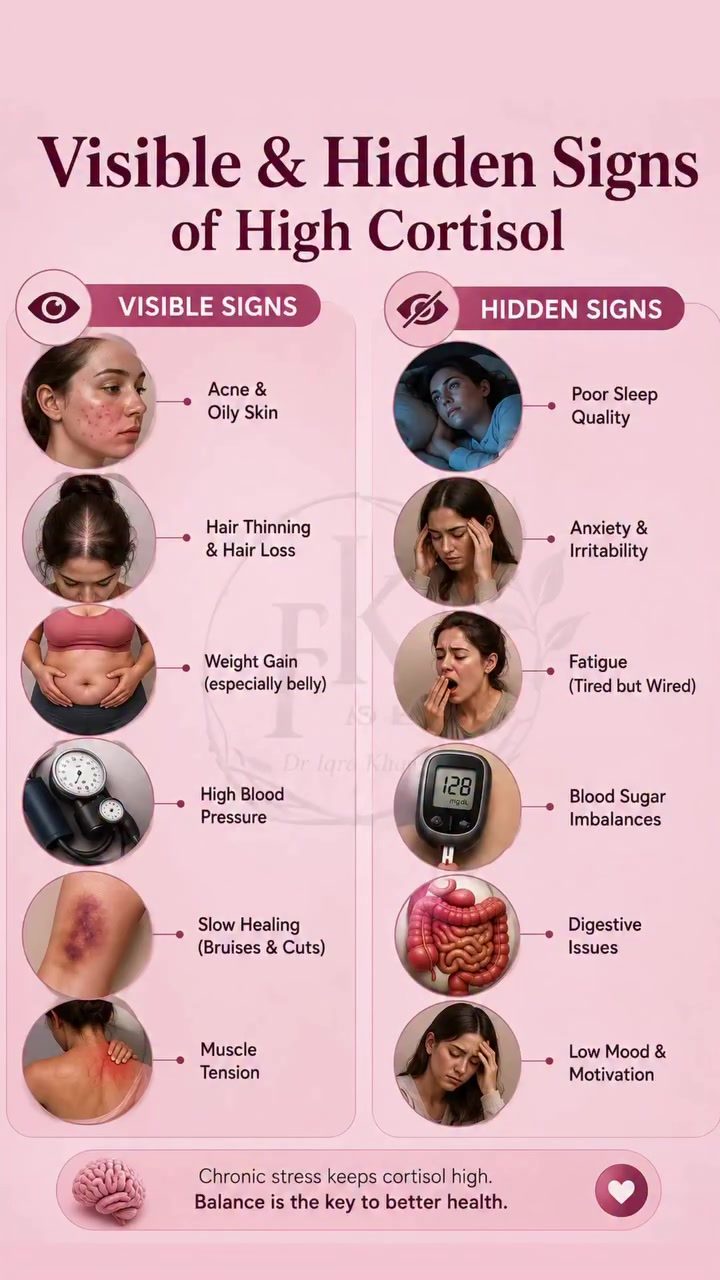
Signs of High Cortisol
Stress is a common experience, and its effects on the body can be profound. Among the many ways stress impacts health, one of the most notable is through the hormone cortisol. Cortisol is often referred to as the "stress hormone," and elevated levels can lead to a range of visible and hidden symptoms. Understanding these signs can help individuals recognize when stress might be affecting their well-being more than they realize.
Why This Matters
Cortisol plays a critical role in managing the body's response to stress. When cortisol levels remain consistently high, it can lead to various health issues. Recognizing the signs of high cortisol is essential for maintaining overall well-being and addressing stress-related health concerns promptly.
Visible Signs of High Cortisol
Visible signs of high cortisol are often the most noticeable and can include a variety of physical changes. These symptoms might be easier to spot in the mirror or during a routine check-up.
Skin Health
High cortisol levels can manifest in several ways on the skin. Acne and oily skin are common symptoms. Chronic acne, in particular, can be a sign that cortisol levels are elevated.
Hair Health
Cortisol can also affect hair health, leading to hair thinning and loss. If you notice increased hair loss or thinning, especially in patches, it could be a sign of high cortisol levels.
Weight Gain
Weight gain, particularly around the midsection, is another visible sign. This type of weight gain, often referred to as "belly fat," can be a result of cortisol's influence on the body's metabolism and fat storage.
High Blood Pressure
Elevated cortisol levels can also lead to high blood pressure. This condition, if left unchecked, can increase the risk of heart disease and other serious health issues. Regular blood pressure checks are essential for monitoring this symptom.
Slow Healing
Slow healing of bruises, cuts, and other injuries is another visible sign. Cortisol can affect the body's ability to heal, leading to prolonged recovery times for minor injuries.
Muscle Tension
Chronic muscle tension, especially in the shoulders, neck, and back, can be a visible sign of high cortisol. This tension often results from the body's physiological response to stress, leading to physical discomfort and potential long-term issues.
Hidden Signs of High Cortisol
Hidden signs of high cortisol can be more challenging to identify, as they often involve internal processes and mental health. These symptoms can be subtle but no less significant in indicating elevated cortisol levels.
Sleep Quality
Poor sleep quality is one of the most common hidden signs. This can manifest as insomnia, frequent awakenings, or a general feeling of restlessness. Persistent sleep issues can lead to fatigue and a range of other health problems.
Mood and Energy Levels
Anxiety and irritability are also common hidden signs. High cortisol levels can lead to increased feelings of anxiety, making it difficult to manage daily stressors. Irritability and low mood are also associated with elevated cortisol, affecting overall well-being and motivation.
Fatigue
Fatigue, often described as feeling "tired but wired," is another hidden sign. This type of fatigue is characterized by an inability to rest, even when tired, and can be very debilitating.
Blood Sugar Imbalances
Cortisol can also affect blood sugar levels, leading to imbalances that can cause various issues, including increased hunger and cravings for sugary foods. Over time, these imbalances can contribute to more serious health problems, such as diabetes.
Digestive Issues
Digestive issues, such as bloating, constipation, and diarrhea, can also be a sign of high cortisol. Stress can affect the digestive system, leading to discomfort and potential long-term digestive problems.
Low Mood and Motivation
Low mood and motivation are other hidden signs. A persistent feeling of low mood can affect daily activities and overall enjoyment of life. Reduced motivation can lead to decreased productivity and difficulty in maintaining a healthy lifestyle.
Practical Tips
If you suspect that stress and high cortisol levels are affecting your health, there are several practical steps you can take to manage cortisol and improve your overall well-being.
Stress Management
Practicing stress management techniques can help reduce cortisol levels. This includes activities such as meditation, deep breathing exercises, and mindfulness practices. Engaging in regular physical activity can also help manage stress and reduce cortisol levels.
Healthy Lifestyle
Maintaining a healthy lifestyle is crucial for managing cortisol levels. This includes eating a balanced diet, getting regular exercise, and ensuring adequate sleep. Prioritizing self-care and making time for relaxation can also help.
Professional Help
If you notice persistent symptoms of high cortisol, it may be beneficial to consult a healthcare provider. A healthcare professional can offer personalized advice and treatment options to help manage stress and improve overall health.
Important Takeaways
Recognizing the signs of high cortisol is the first step in addressing stress-related health issues. Understanding both the visible and hidden symptoms can help individuals take proactive steps to manage cortisol levels and improve their well-being.
Managing cortisol levels is essential for maintaining physical and mental health. By being aware of the signs and taking practical steps to reduce stress, individuals can improve their overall quality of life and reduce the risk of developing more serious health problems.
Conclusion
High cortisol levels can have a profound impact on both physical and mental health. By recognizing the visible and hidden signs, individuals can take proactive steps to manage stress and improve their well-being. Practicing stress management, maintaining a healthy lifestyle, and seeking professional help when needed are all practical steps that can help manage cortisol levels and promote better health.
Watch the Reel
Questions readers ask
What are some visible signs of high cortisol levels?
Visible signs of high cortisol levels include changes in skin, such as increased acne or skin aging, weight gain, particularly around the midsection, and hair loss. These changes can be noticeable and might prompt individuals to seek further evaluation of their stress levels and overall health.
How does high cortisol affect blood pressure?
High cortisol levels can lead to an increase in blood pressure. This is due to cortisol's role in regulating the body's response to stress, which can cause blood vessels to constrict and heart rate to rise. Over time, this can contribute to hypertension and related cardiovascular issues.
What are some hidden signs of high cortisol that might be less obvious?
Hidden signs of high cortisol may include chronic fatigue, persistent mood swings, and sleep disturbances. These symptoms can be more subtle but are just as important to recognize, as they can significantly impact daily functioning and overall well-being.
Can high cortisol levels affect blood sugar?
Yes, high cortisol levels can affect blood sugar regulation. Cortisol stimulates the liver to release stored glucose, leading to increased blood sugar levels. Over time, this can contribute to insulin resistance and potentially increase the risk of developing type 2 diabetes.
How is cortisol related to anxiety and stress?
Cortisol is a key player in the body's stress response, often referred to as the 'fight or flight' response. Chronic stress can lead to consistently high cortisol levels, which in turn can exacerbate anxiety symptoms. This creates a feedback loop where stress and anxiety feed into each other, making it essential to manage cortisol levels for mental health.
What role does cortisol play in weight gain?
Cortisol can contribute to weight gain, particularly around the abdominal area, by increasing appetite and promoting the storage of fat. High cortisol levels can also lead to a redistribution of fat, resulting in a more 'apple-shaped' body, which is associated with a higher risk of health issues.
What steps can be taken to manage high cortisol levels?
Managing high cortisol levels involves a combination of stress reduction techniques, such as mindfulness, meditation, and regular exercise. Maintaining a balanced diet, ensuring adequate sleep, and seeking support from healthcare professionals can also help regulate cortisol levels and mitigate their impact on overall health.
Recent articles
Fresh deep dives from the latest Reels we unpacked.




Comments
Be the first to comment.