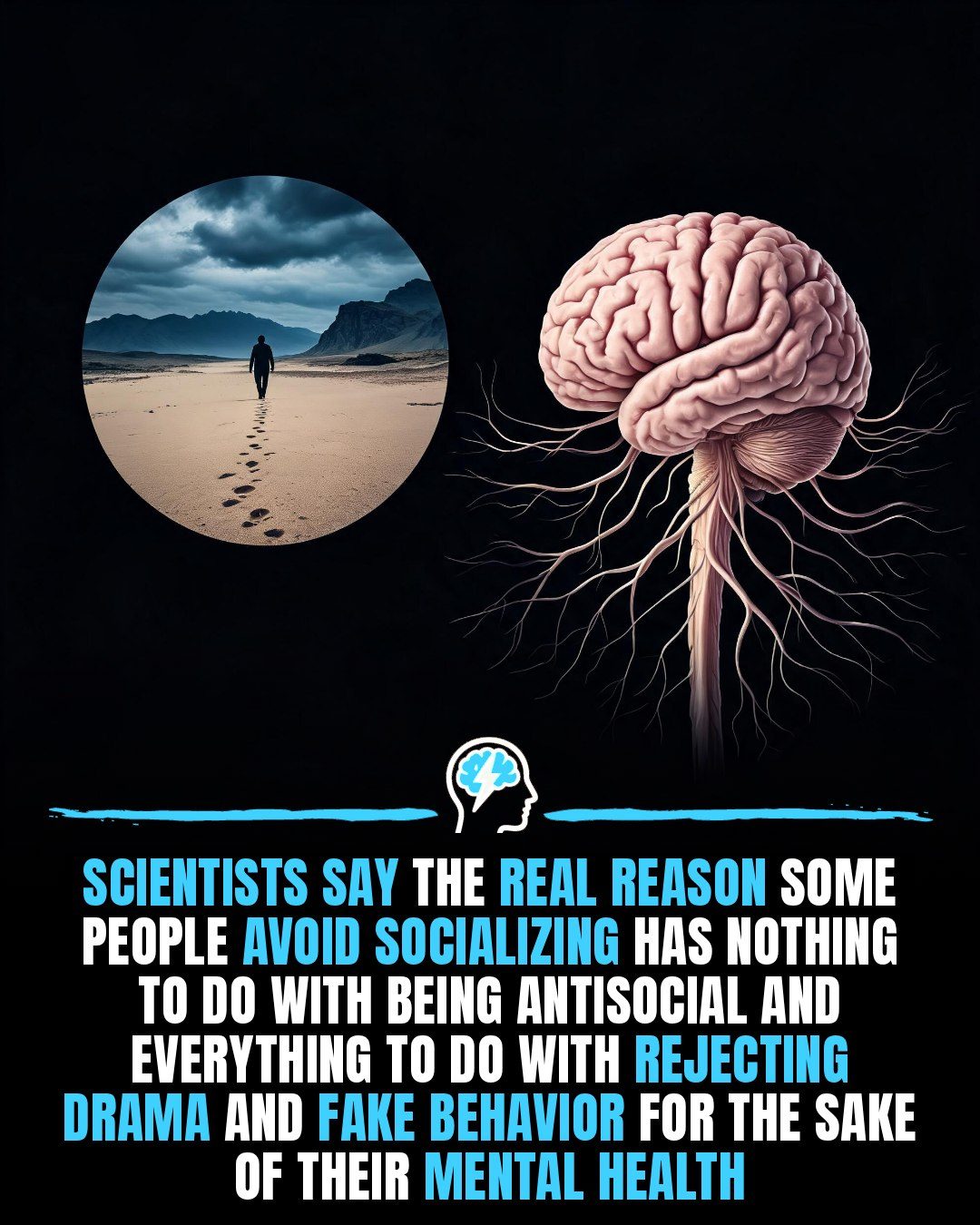
The Importance of Prioritizing Mental Health in a Social World
Choosing to avoid crowds and social situations is not always due to antisocial tendencies. For many, it's a deliberate choice to protect their mental health. This is a topic often misunderstood, leading to mislabeled behaviors and misconceptions. The desire to avoid drama and fake interactions becomes a critical aspect of mental well-being.
Context
The modern world is filled with social obligations, and the pressure to constantly engage can be overwhelming. The idea that some people prefer solitude or smaller, more intimate gatherings is often seen as antisocial. However, this perspective overlooks the underlying reasons for such choices. People who opt to avoid crowds and loud gatherings are often seeking a reprieve from the performance and drama that come with social interactions.
Understanding the Need for Solitude
Rejecting Drama and Fake Behavior
Many individuals deliberately choose to avoid social situations because they want to avoid drama and fake behavior. The constant pressure to maintain a certain image, be it through rehearsed scripts or forced smiles, can be exhausting. It is not an aversion to people but an attempt to protect their mental well-being. One real conversation often beats a dozen empty ones at a crowded party.
The Benefits of Stepping Back
Stepping back from high-drama environments can have significant mental health benefits. This includes lower daily stress, better sleep, more emotional resilience, and a sharper focus on personal goals. The constant exposure to conflict and fake behavior can spike cortisol levels, feeding anxiety. Curating who you spend time with can alter this dynamic, fostering a more peaceful state of mind.
The Concept of Social Masking
Social masking is the act of presenting a different version of oneself in social situations. It often involves hiding one's true feelings, thoughts, or behaviors to conform to societal expectations. Those who avoid social situations are often doing so to avoid this mental strain. When you stop squeezing yourself into spaces that don't feel genuine, you get your energy back. The energy that used to go into social masking can instead be used for self-reflection and personal growth.
Setting Boundaries
Setting boundaries is crucial for mental health. It serves as a protective measure against burnout. It's about creating a distinction between what you can handle and what you cannot. This is not about isolation but about intention. It's about being selective about the company you keep and ensuring that the people around you are sincere and supportive. These boundaries create a buffer against the noise of modern social life, offering a sense of security that surface-level settings cannot provide.
The Role of Authenticity
Authenticity is a significant factor in mental well-being. Being genuine in your interactions and avoiding environments that require you to perform can lead to a sense of inner peace. Skipping gatherings and opting for more intimate settings where authenticity is valued helps in maintaining mental clarity. It allows for real conversations and meaningful interactions, which are more valuable than dozens of empty exchanges at a crowded party.
Practical Tips
Recognize the Need for Solitude
If you feel the need to step back from social situations, recognize that this is a valid choice. It's important to understand that this does not make you antisocial. It's a deliberate choice to protect your mental well-being.
Set Clear Boundaries
Set clear boundaries for yourself. Identify what you can handle and what you cannot. Communicate these boundaries to those around you. This will help in creating a supportive environment where you can thrive without the constant pressure of social obligations.
Curate Your Social Circle
Curate your social circle to include people who are sincere and supportive. Surround yourself with individuals who value authenticity and understand your need for solitude. This will create a buffer against the noise of modern social life.
Prioritize Emotional Resilience
Focus on building emotional resilience. Engage in activities that promote mental well-being, such as mindfulness, meditation, and self-reflection. These activities will help you in navigating through social situations with a stronger sense of self.
Important Takeaways
The Need for Solitude and Authenticity
Understanding the need for solitude and authenticity is crucial. It's important to recognize that avoiding social situations is not a sign of antisocial behavior but a deliberate choice to protect mental health.
The Importance of Setting Boundaries
Setting boundaries is essential for maintaining mental well-being. It helps in preventing burnout and fostering a sense of security. It's about being selective about the company you keep and ensuring that your interactions are genuine and meaningful.
The Benefits of Curating Your Social Circle
Curating your social circle to include sincere and supportive individuals can significantly impact your mental health. It creates a buffer against the noise of modern social life, offering a sense of security that surface-level settings cannot provide.
Conclusion
Avoiding social situations is not a sign of antisocial behavior but a deliberate choice to prioritize mental well-being. Setting boundaries, curating your social circle, and focusing on authenticity can significantly impact mental health positively. It's about understanding that stepping back from high-drama environments and seeking solitude is a valid choice. It's about creating a life built on truth and authenticity, rather than obligation and performance.
Watch the Reel
Questions readers ask
Why might someone choose to avoid social gatherings for their mental health?
People may choose to avoid social gatherings to escape drama, maintain mental health, and avoid unnecessary stress. It is a way to conserve energy while practicing self-care and setting boundaries that support mental well-being.
How can avoiding social gatherings help in maintaining a power mindset?
Avoiding social gatherings can help maintain a power mindset by allowing individuals to prioritize their needs and boundaries. This can lead to increased self-awareness and confidence, as it enables them to focus on personal growth and self-care.
What are some self-care tips for those who choose to skip social events?
Self-care tips for those who skip social events include engaging in relaxing activities at home, such as reading, taking a warm bath, or practicing mindfulness. It's also important to communicate your needs to others and set boundaries to avoid feelings of guilt or obligation.
How can setting boundaries help in managing social time and mental health?
Setting boundaries helps manage social time and mental health by allowing individuals to control their environment and interactions. This can prevent overexertion, reduce stress, and create a sense of safety, enabling people to engage in social activities on their own terms.
Why is it important to conserve energy when it comes to social gatherings and mental health?
Conserving energy is crucial because social gatherings can be draining, especially for those who are sensitive to social stimuli. By managing energy levels, individuals can better cope with stress, prevent burnout, and maintain a sense of control over their mental well-being.
What is the significance of stopping fake behavior in social situations for mental health?
Stopping fake behavior in social situations is significant because it allows individuals to be authentic and true to themselves. By avoiding pretenses, people can reduce stress, build genuine connections, and protect their mental health.
How can one approach self-care when they need to avoid drama in social situations?
Approaching self-care when avoiding drama involves recognizing when a situation is likely to cause stress or discomfort, and taking proactive steps to remove oneself from it. This might include setting clear boundaries with others, planning alternative activities, and seeking support from trusted friends or family members.
Related deep dives
Similar reads based on topic and creator.

Recent articles
Fresh deep dives from the latest Reels we unpacked.




Comments
Be the first to comment.