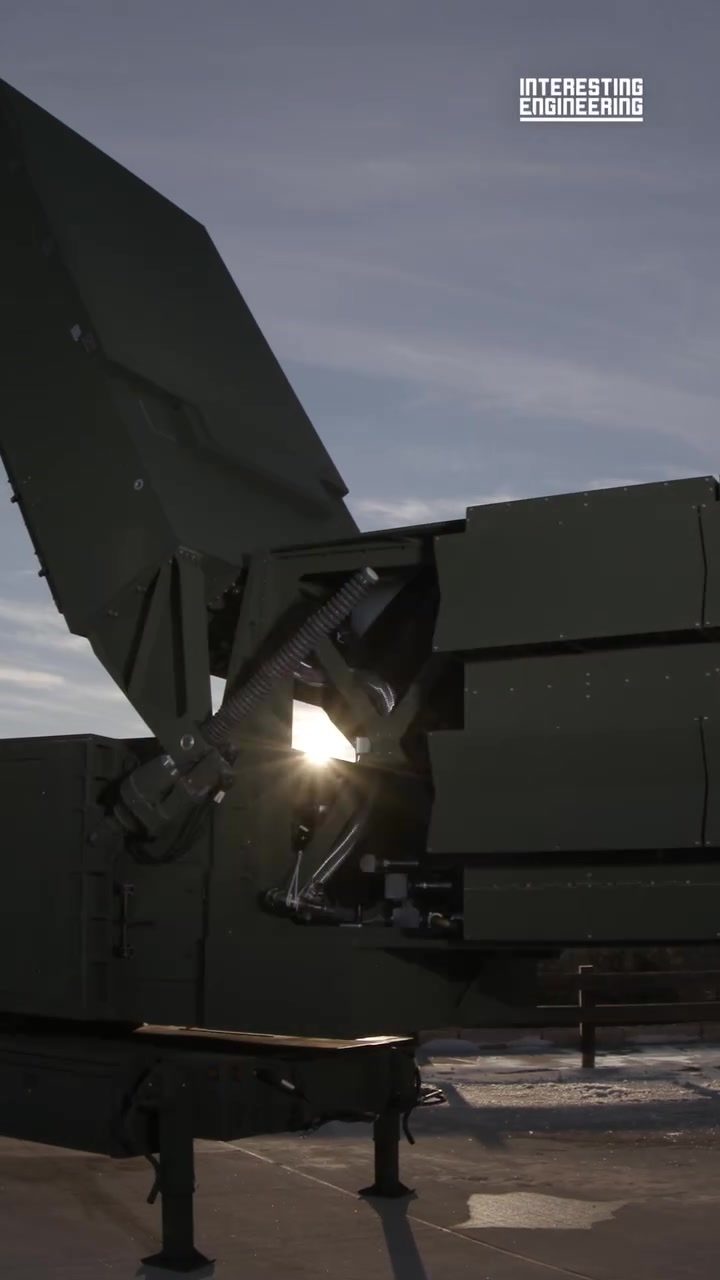
Modular Weapons Engineering: Revolutionizing Defense Systems
As the battlefield evolves, so must defense systems. The advent of next-generation weapons and ever-changing technologies demand that defensive capabilities move faster, adapt more quickly, and deploy with unprecedented speed. This shift is particularly evident in the development of missile systems, where traditional methods of design and production are giving way to more flexible and responsive approaches. Central to this transformation is the concept of modular weapons engineering, which is reshaping how defense systems are designed and deployed.
Context / Why this Matters
The battlefield of today is far more complex and dynamic than it was even a decade ago. Technologies evolve rapidly, and what might be a cutting-edge defense system today could be obsolete tomorrow. This constant flux necessitates a new approach to defense systems engineering. Traditional methods, where each design is treated as unique and the development process is lengthy, are no longer sufficient. The modern battlefield requires systems that can adapt, evolve, and meet changing demands with speed, flexibility, and precision.
Raytheon, a leading player in defense technologies, is at the forefront of this shift. Their Advanced Technology Team, a group of elite radar and weapon architects, is pioneering new composable weapon architectures. This team has been focused on designing scalable hardware and software components that are structured like building blocks. These components are flexible and reconfigurable, allowing them to be swapped interchangeably between systems as needs change.
The Need for Speed and Adaptability
The traditional approach to defense systems development involved treating each design as a unique entity. This meant that from the initial research and development phase to the deployment of battle-ready hardware, significant time and resources were invested. However, in the rapidly evolving battlefield, real-world priorities can change quickly. By the time a system is ready for deployment, it might already be outdated.
This is where modular weapons engineering comes into play. By designing systems with interchangeable and reconfigurable components, defense systems can be iterated and deployed faster. This approach not only accelerates the development process but also makes the systems more responsive to changing battlefield conditions.
The Advanced Technology Team at Raytheon
Leading the charge in this modular revolution is Raytheon's Advanced Technology Team. This agile group of innovators has been working on designing scalable hardware and software components that can be easily swapped and reconfigured. These components are designed to be simpler for factories to produce, cheaper to make, and quicker to deploy. By leveraging shared research and capabilities as part of RTX, Raytheon is accelerating this shift towards modular defense systems.
The team's approach is grounded in the concept of building flexibility right into the foundation systems. This means that a missile, for example, no longer needs to be developed as a single fixed solution built for one purpose. Instead, it can be designed with modular components that allow it to adapt quickly to the changing environment around it.
Practical Applications
The practical applications of modular weapons engineering are vast. For instance, a missile system can be quickly adapted to new threats by swapping out components. This modularity allows for faster iteration and deployment, ensuring that defense systems can keep pace with offensive technologies. The same principle applies to radar systems and other defense technologies, making them more nimble and responsive.
Key Components of Modular Weapons Engineering
-
Scalable Hardware and Software: The foundation of modular weapons engineering lies in designing scalable hardware and software components. These components are structured like building blocks, allowing for easy reconfiguration and interchangeability.
-
Flexible and Reconfigurable Components: The components are designed to be flexible and reconfigurable, enabling quick adaptation to changing battlefield conditions. This flexibility ensures that defense systems can evolve as quickly as the threats they face.
-
Shared Research and Capabilities: As part of RTX, Raytheon leverages shared research and capabilities to accelerate the development and deployment of modular defense systems. This collaborative approach ensures that the latest advancements are integrated into defense systems as quickly as possible.
-
Faster Iteration and Deployment: The modular approach allows for faster iteration and deployment of defense systems. This means that new capabilities can be developed and deployed more quickly, keeping pace with the evolving battlefield.
Important Takeaways
-
Adaptability: Modular weapons engineering allows defense systems to adapt quickly to changing battlefield conditions. This adaptability is crucial in the rapidly evolving battlefield of today.
-
Speed and Precision: The modular approach enables faster iteration and deployment of defense systems, ensuring that they can meet changing demands with speed and precision.
-
Cost-Effectiveness: Modular components are simpler to produce and cheaper to make, making defense systems more cost-effective.
-
Future-Proofing: By building flexibility into the foundation systems, modular weapons engineering ensures that defense systems can evolve as quickly as the environment around them.
Conclusion
The art of warfare is changing, and with it, the way defense systems are designed and deployed. Modular weapons engineering represents a significant shift in how defense systems are developed, enabling them to adapt, evolve, and meet changing battlefield demands with speed, flexibility, and precision. As the battlefield continues to evolve, the principles of modularity will become increasingly important, ensuring that defense systems can keep pace with the ever-changing landscape of modern warfare.
Watch the Reel
Questions readers ask
What makes Raytheon's modular approach unique in defense engineering?
Raytheon's modular approach stands out due to its focus on interchangeable, scalable hardware and software components. This allows for rapid reconfiguration and updates, ensuring that weapon systems can swiftly adapt to new threats and technological advancements on the modern battlefield.
How does the modular approach benefit the deployment of weapon systems?
By using modular components, Raytheon can significantly reduce the time required to deploy new or updated weapon systems. This modularity allows for quicker integration of new technologies and faster responses to evolving battlefield conditions.
Can you explain how modularity improves the adaptability of defense systems?
Modular weapon systems can be easily reconfigured or upgraded by swapping out specific components. This means defense systems can be quickly tailored to meet new mission requirements or counter emerging threats without overhauling the entire system.
What role does software play in Raytheon's modular weapon systems?
Software is a critical aspect of Raytheon's modular approach. Interchangeable software components enable quick updates and enhancements, allowing systems to evolve in capability without the need for extensive hardware modifications.
How does the modular approach address the rapid evolution of battlefield technologies?
The modular approach allows for seamless integration of new technologies. As radar technology and other defense innovations advance, modular systems can be easily updated to incorporate these improvements, ensuring that defense systems remain effective against current and future threats.
What are the key benefits of using interchangeable components in weapon systems?
Interchangeable components provide flexibility and cost-efficiency. They allow for quicker repairs and upgrades, reducing downtime. Additionally, they enable the standardization of parts, making maintenance and logistics more straightforward.
How does Raytheon's modular approach enhance the scalability of defense systems?
The modular design allows systems to be easily scaled up or down depending on the mission requirements. This scalability ensures that defense systems can be efficiently adapted to various operational contexts, from small-scale engagements to large-scale conflicts.
Related deep dives
Similar reads based on topic and creator.


Recent articles
Fresh deep dives from the latest Reels we unpacked.




Comments
Be the first to comment.