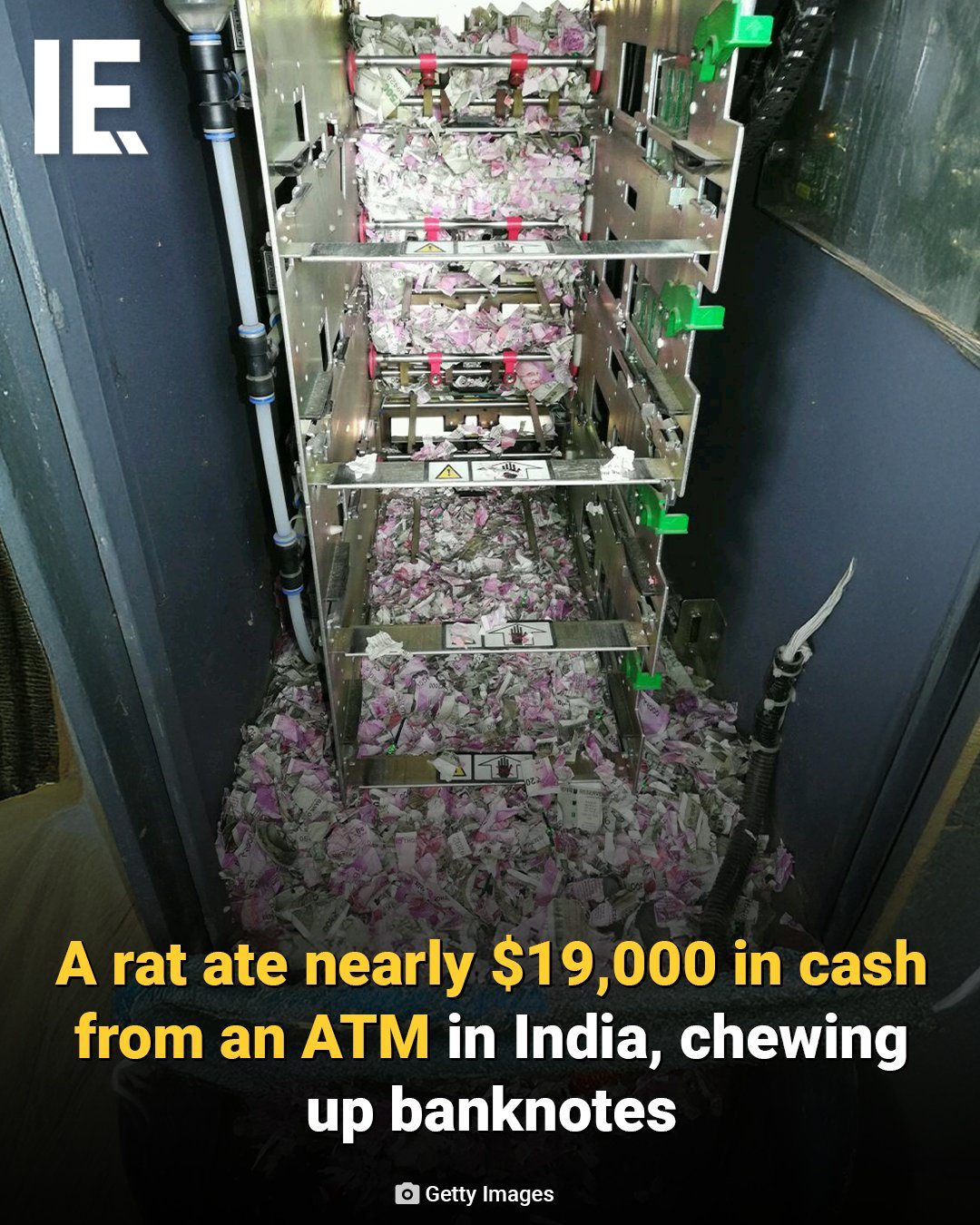
ATM Incident
An ATM in Assam, India, was out of service for days after technicians discovered a shocking sight: a rodent had entered the machine, shredded over ₹1.2 million (approximately $18-19,000) in banknotes, and perished inside. The incident, captured by Getty Images, highlights the vulnerabilities and challenges of maintaining ATM security and functionality.
Context / Why this matters
ATMs are crucial components of modern banking infrastructure, providing convenient access to cash for millions of people worldwide. However, incidents like the one in Assam underscore the potential vulnerabilities of these machines. Understanding the causes, implications, and preventive measures for such incidents is essential for ensuring the reliability and security of ATM operations.
Main discussion
The ATM Incident in Assam
The ATM in Assam, India, was found to be out of order for several days, with technicians discovering an unusual cause for the malfunction. Inside the machine, they found shredded banknotes and the remains of a rodent that had entered the ATM, causing extensive damage to the cash inside. The rodent had chewed through and destroyed nearly $19,000 in cash before succumbing to its actions.
How Rodents Can Damage ATMs
Rats and other rodents are known for their ability to penetrate and damage various structures, including ATMs. These animals are attracted to the warmth and shelter provided by ATMs, which can lead to severe damage. The rodent in this incident likely gained entry through small holes or gaps in the machine, which were not adequately sealed. Once inside, the rodent had ample access to the cash, leading to extensive damage.
Potential Risks and Consequences
The incident in Assam highlights several potential risks and consequences associated with rodents damaging ATMs:
-
Financial Loss: The direct and immediate consequence is the financial loss incurred from the destroyed cash. In this case, nearly $19,000 was rendered unusable, a significant amount for any financial institution.
-
Operational Disruption: The ATM was out of service for several days, disrupting cash access for users and causing inconvenience and potential inconvenience to account holders.
-
Security Vulnerabilities: The presence of a rodent inside the ATM indicates potential security vulnerabilities, such as unsecured entry points, which could be exploited by other pests or even more malicious actors.
-
Maintenance and Repair Costs: Addressing the damage and ensuring the ATM is secure from future incidents involves additional maintenance and repair costs.
Preventive Measures
To prevent similar incidents, banks can implement various measures to protect ATMs from rodent intrusion:
-
Regular Inspections: Regular inspections of ATMs for signs of damage, such as chewed wiring or holes, can help identify and address potential entry points before rodents can enter.
-
Sealing Entry Points: Ensuring that all entry points, no matter how small, are securely sealed can prevent rodents from gaining access to the ATM. This includes checking for gaps around doors, panels, and other access points.
-
Rodent Repellents and Traps: Using rodent repellents and traps in and around ATMs can deter rodents from entering and nesting inside the machines.
-
Surveillance and Monitoring: Installing surveillance cameras and monitoring systems can help detect and address rodent activity more swiftly, minimizing potential damage.
-
Environmental Control: Controlling the environment around ATMs, such as removing food sources and trash, can reduce the attractiveness of the area to rodents.
Practical tips
Preventing rodent incidents in ATMs involves a combination of proactive measures and regular maintenance. Here are some practical tips to help ensure the security and functionality of ATMs:
-
Conduct Regular Maintenance: Schedule regular maintenance checks to identify and address any potential entry points or signs of rodent activity.
-
Seal All Gaps: Ensure that all gaps, no matter how small, are properly sealed to prevent rodents from entering the ATM. This includes checking around doors, panels, and wiring.
-
Use Rodent Repellents and Traps: Implement rodent repellent devices and traps in and around ATMs to deter rodents and catch any that try to enter.
-
Enhance Surveillance: Install surveillance cameras and monitoring systems to quickly detect and address any rodent activity. Regularly review footage to identify potential issues early.
-
Keep the Area Clean: Maintain a clean and well-organized area around the ATM to reduce food sources and attractiveness to rodents. Remove any debris or trash that could attract pests.
Important takeaways
The incident in Assam highlights the importance of vigilant ATM maintenance and security measures. Key takeaways include:
- Regular inspections and maintenance are crucial for identifying and addressing potential vulnerabilities.
- Sealing entry points and using rodent repellents and traps can significantly reduce the risk of rodent intrusion.
- Surveillance and monitoring systems can help detect and address rodent activity promptly.
- Maintaining a clean and well-organized environment around ATMs can reduce attractiveness to rodents.
Conclusion
The ATM incident in Assam, India, serves as a reminder of the importance of robust maintenance and security measures for ATMs. By implementing proactive steps and regular maintenance, banks can minimize the risk of rodent damage and ensure the reliability and security of their ATMs. Protecting these machines from pests and vulnerabilities is essential for maintaining trust and convenience for users, ensuring a seamless banking experience.
Watch the Reel
Questions readers ask
What caused the ATM in Assam, India to go out of service?
The ATM went out of service due to a rodent entering the machine. The rodent shredded approximately $19,000 in cash and perished inside, leading to significant operational disruption.
How much financial loss did the ATM in Assam, India suffer due to the rodent incident?
The financial loss amounted to approximately $19,000 USD, as the rodent destroyed ₹1.2 million in banknotes, which is approximately 18-19k USD.
What challenges does an incident like the one in Assam, India pose for ATM maintenance?
Incidents like the one in Assam, India pose several challenges for ATM maintenance, including the need to address machine damage, retrieve the rodent, and replace the destroyed cash, all of which can lead to extended downtime and increased maintenance costs.
What are the implications of such an incident for banking operations?
Such incidents can lead to operational disruptions, financial loss, and potential reputational damage for banks. They also highlight the need for robust ATM security and maintenance protocols to prevent similar occurrences.
Are rodent incidents common in ATMs?
While not extremely common, rodent incidents in ATMs do occur and can cause significant issues. Regular maintenance and preventative measures can help mitigate the risk of such incidents.
What measures can be taken to prevent rodents from entering ATMs?
To prevent rodents from entering ATMs, banks can implement measures such as sealing any potential entry points, using rodent deterrents, and conducting regular inspections and maintenance. Installing tamper-proof enclosures can also help keep pests out.
How can banks mitigate the financial loss and operational disruption caused by rodent incidents in ATMs?
Banks can mitigate financial loss and operational disruption by regularly inspecting ATMs, promptly addressing any signs of rodent activity, and ensuring that maintenance protocols are in place. They should also have contingency plans to quickly resolve any issues and minimize downtime.
Related deep dives
Similar reads based on topic and creator.


Recent articles
Fresh deep dives from the latest Reels we unpacked.




Comments
Be the first to comment.