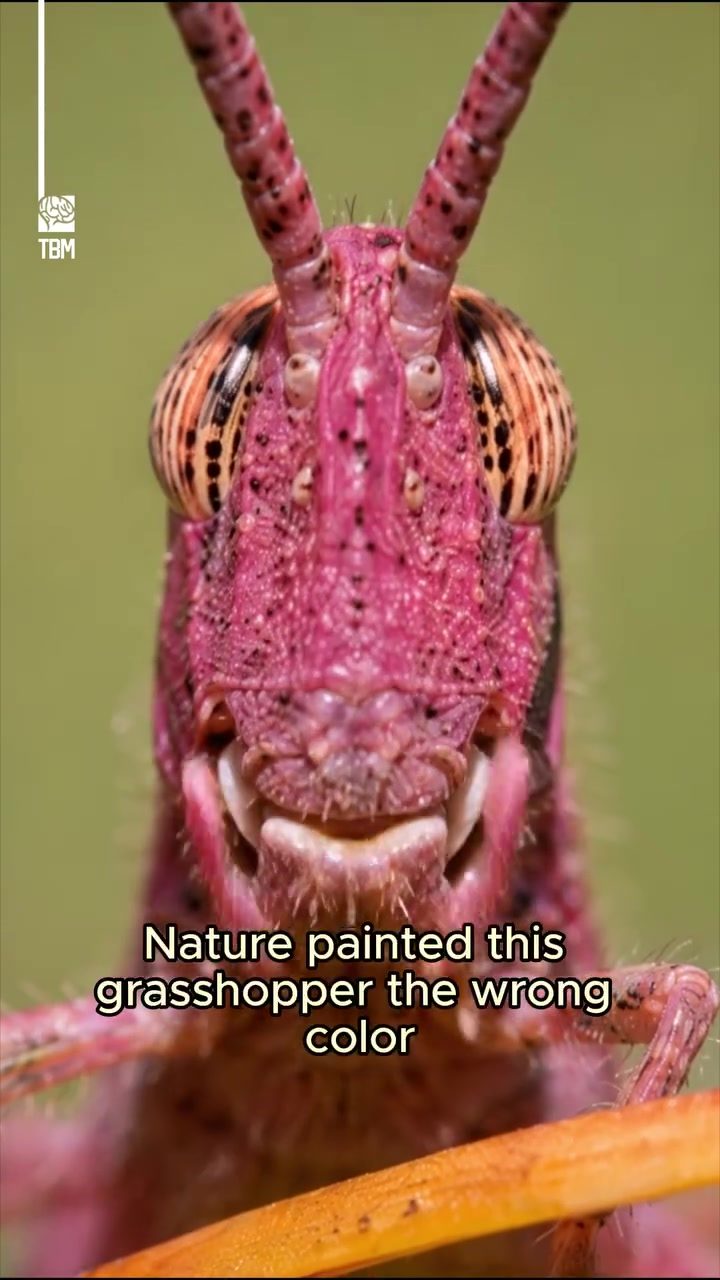
Pink Grasshoppers
PINK grasshoppers, with their vibrant magenta and pink bodies, are a rare sight in the wild. This striking coloration is due to a genetic mutation known as erythrism, which increases the production of red pigments in the insect's body. While most grasshoppers are green and blend seamlessly into their surroundings, these pink individuals stand out like a cotton candy cloud against the green fields and meadows they inhabit.
Why this matters
The rarity of pink grasshoppers makes them a fascinating subject for entomologists and nature enthusiasts alike. Understanding the genetic mutation that causes this vibrant coloration can provide insights into the broader world of genetic mutations in insects and other animals. Moreover, the unique challenges these grasshoppers face due to their high visibility can offer insights into the survival strategies of other brightly colored species.
Main discussion
The Science Behind Erythrism
Erythrism is a genetic condition that results in an abundance of red pigments in an organism's body. In the case of grasshoppers, this mutation transforms their typical green hue into a striking pink or magenta. This unusual coloration is not merely a cosmetic change; it has significant implications for the grasshoppers' survival and behavior. The increased red pigments are a result of a genetic anomaly that alters the production of melanin, the pigment responsible for the usual green color in most grasshoppers.
The Challenges of High Visibility
The most significant challenge for pink grasshoppers is their high visibility to predators. In a world where blending in is often a survival tactic, standing out can be dangerous. Birds, reptiles, and other predators find these brightly colored insects much easier to spot, making them a prime target. This heightened predation risk is a primary reason why sightings of pink grasshoppers are so rare. The bright coloration, while visually stunning, acts as a signal to predators, making these grasshoppers one of the rarest insects in the wild.
Diet and Behavior
Despite their striking appearance, pink grasshoppers live and feed just like their green counterparts. They primarily consume grasses and leaves, hopping through meadows and gardens in search of food. Their behavior and diet are indistinguishable from other grasshoppers, but their unique coloration sets them apart in the wild.
Practical tips
While pink grasshoppers are a rare sight in the wild, there are a few practical tips for those interested in spotting them:
- Look in the Right Places: Pink grasshoppers are often found in meadows and gardens where there is an abundance of grasses and leaves. These areas provide ample food sources for the grasshoppers and offer a better chance of spotting them.
- Be Patient and Vigilant: Given their rarity, spotting a pink grasshopper requires patience and a keen eye. Spend time observing fields and meadows, and keep an eye out for any unusual coloration.
- Use Binoculars: Since pink grasshoppers are small and can be easily missed, using binoculars can enhance your chances of spotting one. This is especially useful in large, open fields where the grasshoppers can blend in with the surroundings.
Conservation and Protection
While pink grasshoppers are rare, their conservation is not typically a primary concern due to their widespread distribution and the fact that they are not endangered. Nevertheless, understanding and protecting their habitats can help ensure that these unique creatures continue to thrive. Conservation efforts focused on preserving meadows, gardens, and other grassy areas can benefit not only pink grasshoppers but a wide range of wildlife.
Important Takeaways
- Erythrism: A rare genetic mutation that causes pink or magenta coloration in animals, including grasshoppers.
- Predation Risk: The bright pink coloration makes these grasshoppers highly visible to predators, leading to rare sightings in the wild.
- Behavior and Diet: Pink grasshoppers live and feed just like ordinary grasshoppers, consuming grasses and leaves while hopping through meadows and gardens.
Conclusion
Pink grasshoppers, with their vibrant and unusual coloration, are a testament to the diversity and complexity of nature. Their rarity and the unique challenges they face due to their high visibility make them a fascinating subject of study. Understanding the science behind erythrism and the behaviors of these grasshoppers can provide valuable insights into the broader world of genetic mutations and survival strategies in the wild.
Watch the Reel
Questions readers ask
What causes the pink coloration in pink grasshoppers?
The pink coloration in grasshoppers is due to a genetic mutation known as erythrism. This mutation increases the production of red pigments in the insect's body, resulting in a vivid, cotton candy-like hue.
How common are pink grasshoppers in nature?
Pink grasshoppers are quite rare in the wild. Most grasshoppers are green, which helps them blend into their surroundings. The pink coloration makes them more visible and thus, less common.
What challenges do pink grasshoppers face in their environment?
Pink grasshoppers face significant survival challenges due to their conspicuous coloration. This bright color makes them more visible to predators, making it harder for them to hide and survive in fields and meadows.
Can pink grasshoppers be found in gardens?
While it's possible to spot a pink grasshopper in a garden, it's quite unlikely due to their rarity. Even in gardens with diverse plant life, the vibrant pink color makes them stand out and more susceptible to predators.
Are there other insects with similar colorations?
Yes, while rare, other insects can also exhibit similar bright colorations due to genetic mutations. For instance, some ladybugs and butterflies can have bright red or pink hues, although these are not as common as green or brown varieties.
Why do most grasshoppers have green coloration?
Most grasshoppers have green coloration because it provides excellent camouflage in their natural habitats, which are typically green fields and meadows. This helps them avoid predators and increases their chances of survival.
What can entomologists learn from studying pink grasshoppers?
Studying pink grasshoppers can provide insights into the broader world of genetic mutations in insects. By understanding the specific mutation that causes this vibrant coloration, scientists can gain a deeper understanding of how genetic changes affect insect survival and behavior.
Related deep dives
Similar reads based on topic and creator.




Recent articles
Fresh deep dives from the latest Reels we unpacked.




Comments
Be the first to comment.