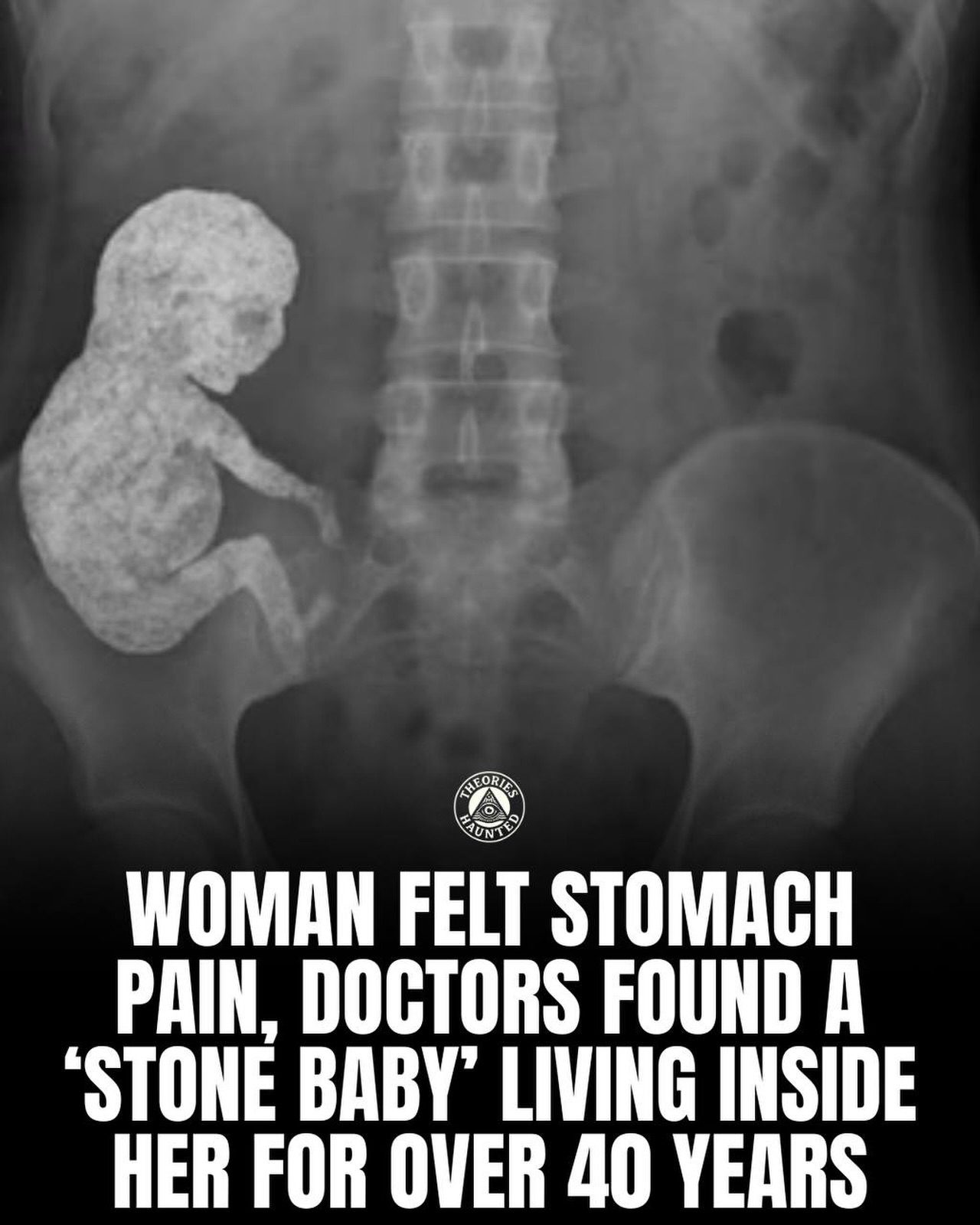
Lithopedions: The Rare Phenomenon of a “Stone Baby”
A lithopedion, also known as a "stone baby," is a rare medical condition where a fetus becomes calcified and remains within the body for an extended period. This phenomenon occurs when an ectopic pregnancy happens outside the uterus, and the body cannot naturally absorb or remove the fetal tissue. The immune system responds by surrounding the remains with calcium deposits, gradually turning them into a hardened, stone-like structure. This extraordinary process can allow the body to coexist with the calcified tissue for many years without obvious symptoms.
Why This Matters
Lithopedions are exceedingly rare, with fewer than 300 documented cases worldwide. Many cases are only discovered by chance during scans or surgery later in life. This condition highlights the human body's remarkable ability to adapt and coexist with unusual foreign objects over long periods. Understanding lithopedions can provide insights into the body's immune responses and the complexities of ectopic pregnancies.
The Case of the 82-Year-Old Woman
Discovery and Initial Misdiagnosis
An 82-year-old woman was admitted to the hospital after experiencing severe abdominal pain. Doctors initially suspected the cause to be a tumor. However, scans revealed a far more unusual finding: a calcified fetus that had remained inside her body for over four decades. This case, among the rarest in medical history, sheds light on the enigmatic nature of lithopedions.
The Medical Mystery
The woman's condition, diagnosed as lithopedion, is a rare medical anomaly where an ectopic pregnancy fails to resolve naturally, leading to the formation of a calcified mass. In this instance, the fetus had remained undetected for over 40 years, causing no obvious symptoms until the woman sought medical attention for abdominal pain. This case is a testament to the body's ability to adapt and coexist with unusual foreign objects over long periods.
Lithopedions: Medical Anomaly or Haunted Theory?
Theories Surrounding Lithopedions
The condition has been the subject of various theories, often shrouded in mystery and speculation. The term "stone baby" adds to the intrigue, suggesting a phenomenon that defies conventional medical understanding. While some theories border on the sensational, the medical community acknowledges that cases of lithopedions are real and documented.
Medical Explanations
Medical explanations for lithopedions are grounded in the body's response to ectopic pregnancies. When a pregnancy occurs outside the uterus, the body may not be able to naturally absorb or remove the fetal tissue. In such cases, the immune system responds by surrounding the fetal remains with calcium deposits, gradually turning them into a hardened, stone-like structure. This process can allow the body to coexist with the calcified tissue for many years without obvious symptoms.
Practical Tips for Medical Professionals
Recognizing the Signs
Given the rarity of lithopedions, medical professionals should be aware of the potential for this condition in patients presenting with unexplained abdominal pain or other unusual symptoms. Early detection can help prevent complications and provide timely intervention.
Diagnostic Procedures
Imaging techniques such as X-rays and CT scans can reveal the presence of a calcified mass, which may indicate a lithopedion. These diagnostic tools are crucial for identifying and managing this rare condition.
Important Takeaways
Lithopedions are a rare but real medical phenomenon, highlighting the human body's remarkable ability to adapt and coexist with unusual foreign objects. Cases like the 82-year-old woman underscore the importance of thorough medical examinations and the potential for unexpected findings in diagnostic procedures.
Conclusion
The discovery of a lithopedion in an 82-year-old woman is a rare and extraordinary medical case that challenges our understanding of the human body. This phenomenon, known as a "stone baby," occurs when an ectopic pregnancy leads to the formation of a calcified mass that remains undetected for decades. Understanding lithopedions can provide valuable insights into the body's immune responses and the complexities of ectopic pregnancies, underscoring the importance of thorough medical examinations and diagnostic procedures.
Watch the Reel
Questions readers ask
What exactly is a lithopedion, or 'stone baby'?
A lithopedion is a rare medical condition where a fetus that was lost during an ectopic pregnancy calcifies and remains inside the body for a long period. The body forms a hardened, stone-like structure around the fetal remains, which can stay asymptomatic for years.
How does a lithopedion form?
A lithopedion forms as a result of an ectopic pregnancy, where a fertilized egg implants outside the uterus. If the body cannot expel the fetus, it begins to calcify, creating a stone-like structure over time.
Are lithopedions dangerous?
Lithopedions are typically not dangerous, as the body can coexist with the calcified tissue for years without symptoms. However, in some cases, they may cause complications such as abdominal pain, irregular periods, or inflammation.
How are lithopedions usually discovered?
Due to the lack of symptoms, lithopedions are often discovered by chance. They may be found during imaging scans or surgeries for unrelated conditions, as they are relatively rare and often go undetected for long periods.
How common are lithopedions?
Lithopedions are extremely rare, with fewer than 300 documented cases worldwide. This makes them one of the lesser-known medical conditions and a fascinating subject of study.
What happens to the body when a lithopedion is present?
The body responds to the undeveloped fetus by surrounding it with calcium deposits, which eventually form a stone-like structure. The body's immune system and organs adapt to accommodate this unusual condition, allowing it to remain asymptomatic for extended periods.
Related deep dives
Similar reads based on topic and creator.

Recent articles
Fresh deep dives from the latest Reels we unpacked.




Comments
Be the first to comment.