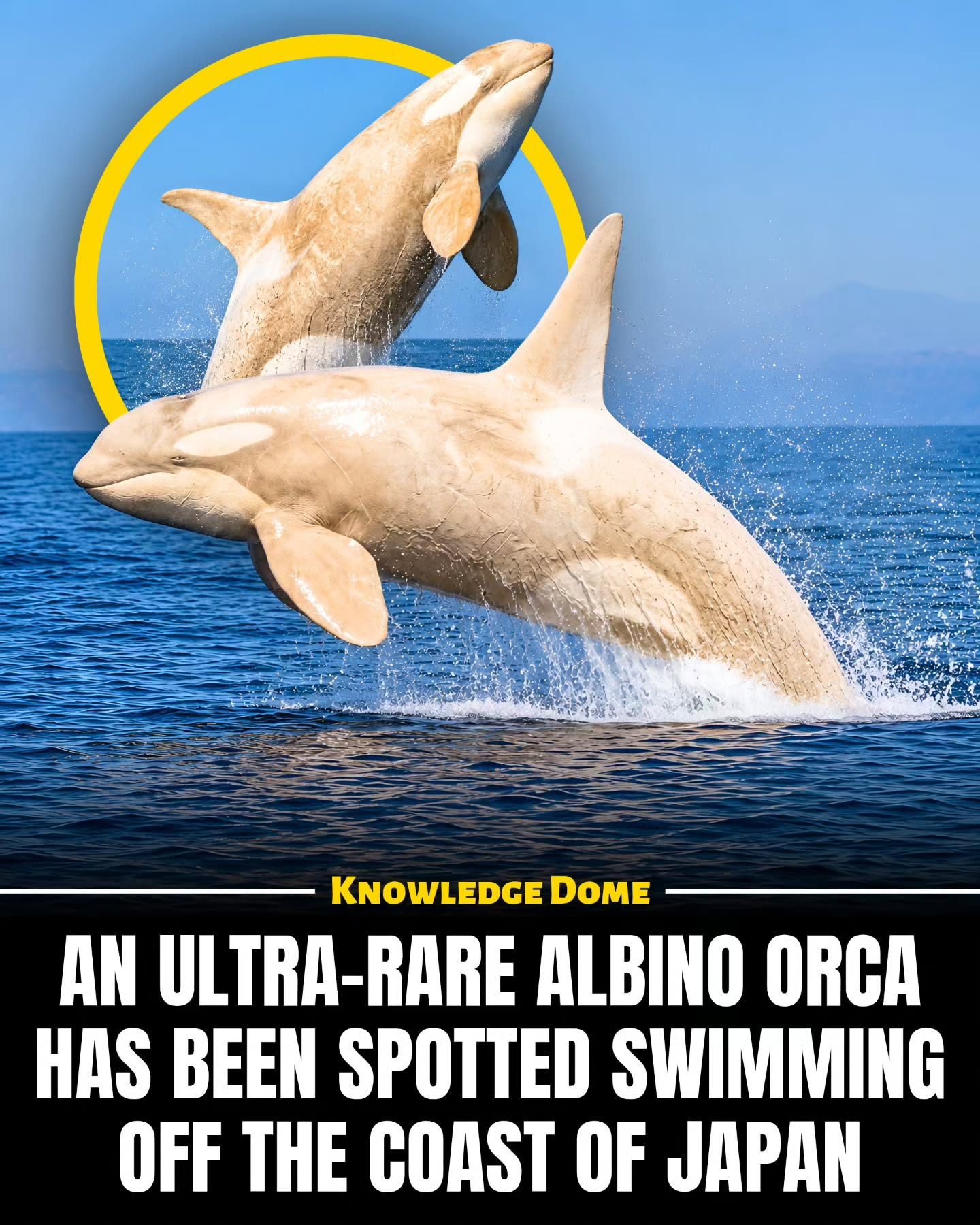
Rare Albino Orca
The sight of an ultra-rare white orca swimming with its pod off the coast of Rausu in Hokkaido, Japan, has captivated observers. This whale, described as appearing almost ghost-like in the cold ocean water, was photographed by wildlife photographer Noriyuki Hayakawa. While many refer to this orca as albino, marine biologists clarify that it is likely leucistic. This distinction is crucial for understanding the genetic condition that gives the whale its distinctive cream-white skin while retaining its normal dark-colored eyes.
Context / Why This Matters
Leucistic and albino animals often face unique challenges in the wild, particularly when standing out in their natural habitats. The fact that this orca has survived so long—estimated to be around 50 years old—is remarkable. This unusual sighting underscores the importance of conservation efforts and understanding the natural world.
Rare Albino Orca
The Genetic Condition
Leucism and albinism are both genetic conditions that affect the pigmentation of an animal's skin, but they differ in subtle yet important ways. In the case of leucism, the skin appears cream-white, but the eyes retain their normal color. This is different from albinism, which typically affects multiple parts of the body, including the eyes and skin, leaving them with a lighter or pinkish hue. The leucistic orca in Japan stands out not just because of its striking appearance, but also because of its rare coloration.
The Significance of the Sighting
The sighting of the leucistic orca in Japan offers valuable insights into the behavior and social structure of orca pods. Despite its unique appearance, this whale seems to be fully accepted and protected by its black-and-white pod. This social acceptance is noteworthy because orcas, like many social animals, rely heavily on their pods for survival. The fact that this leucistic orca is swimming safely beside the others suggests a strong sense of community and support within the pod. This aspect of orca behavior is both fascinating and reassuring, highlighting the complex social structures that exist in the natural world.
The Rarity of White Orcas
White orcas are extremely rare across the world, with only about 5 to 10 confirmed living ones known today. This rarity is what makes the sighting off the coast of Hokkaido so significant. The unusual coloration appears a little more frequently in the northwestern Pacific Ocean, making this region a hotspot for such sightings. For wildlife enthusiasts and researchers, this area offers a unique opportunity to study these rare creatures in their natural habitat.
Survival in the Wild
Surviving in the wild is already challenging for any animal, and standing out so much can make life even harder. The leucistic orca's ability to thrive despite its distinctive appearance is a testament to the strength and resilience of these magnificent creatures. Leucistic orcas face several challenges, including potential difficulties in hunting and evading predators. However, the acceptance and protection from its pod have likely contributed to its long lifespan.
The Pod and Its Support
The support from its black-and-white pod is crucial for the leucistic orca's survival. Orcas are known for their complex social structures and strong bonds within their family groups. This pod's acceptance of the leucistic orca shows the depth of their social cohesion. The pod's protection ensures that the leucistic orca is not isolated or vulnerable to threats, allowing it to live a relatively normal life despite its unique appearance.
Practical Tips
For those interested in whale watching, especially in regions known for sightings of rare orcas, it's essential to follow responsible wildlife viewing practices. This includes maintaining a safe distance, minimizing noise, and avoiding sudden movements that could disturb the animals. Use binoculars or cameras with zoom lenses to get a closer look without disturbing the whales. Always support local conservation efforts that protect these magnificent creatures and their habitats.
Important Takeaways
The sighting of the leucistic orca off the coast of Hokkaido is a reminder of the beauty and mystery of the natural world. This rare occurrence highlights the importance of conservation efforts and the need to protect the habitats of these magnificent creatures. It also underscores the complex social structures within orca pods, where acceptance and protection play crucial roles in the survival of unique individuals. Understanding and appreciating these aspects can inspire more people to take an interest in marine life and support efforts to preserve it.
Conclusion
The leucistic orca off the coast of Rausu in Hokkaido offers a fascinating glimpse into the lives of these remarkable creatures. Whether you are a wildlife enthusiast, a marine biologist, or simply someone who appreciates the beauty of nature, this sighting is a reminder of the wonders that exist in our oceans. By understanding the unique challenges and strengths of these animals, we can better appreciate the delicate balance of the natural world and the importance of preserving it for future generations.
Watch the Reel
Questions readers ask
What is the difference between an albino and a leucistic orca?
An albino whale has a genetic condition that results in a complete loss of pigment, leading to white skin and often red or pink eyes. A leucistic whale, like the one seen in Hokkaido, has a partial loss of pigment, resulting in cream-white skin while retaining normal dark-colored eyes.
Why is the sighting of the leucistic orca in Hokkaido significant?
The sighting is significant due to the rarity of leucistic orcas, their unique challenges, and the fascinating social dynamics of orca pods. The fact that this 50 year old whale has been thriving in the wild is a testament to the success of the whale’s pod and the broader Hokkaido marine ecosystem.
What are the challenges faced by leucistic animals like the white orca?
Leucistic animals often struggle with camouflage, making them more visible to predators and potentially vulnerable to sun damage. Despite these challenges, the leucistic orca in Hokkaido has managed to survive and thrive, suggesting strong social support from its pod.
What is known about the age and survival of the leucistic orca in Hokkaido?
The leucistic orca spotted in Hokkaido is estimated to be around 50 years old. Its longevity highlights the success of its pod in supporting it, despite the challenges posed by its distinctive appearance.
What role does the pod play in the survival of the leucistic orca?
Orca pods are known for their strong social structures, and in this case, the pod likely plays a crucial role in the survival of the leucistic orca. The support of the pod can help protect the white orca and enhance its chances of thriving in the wild.
Why is the leucistic orca sighting important for marine conservation efforts?
The sighting of the leucistic orca emphasizes the importance of conservation efforts, including habitat protection and understanding the dynamics of orca pods. It highlights the need to preserve diverse marine ecosystems that support unique and rare species.
How is the presence of a leucistic orca beneficial for studying orca pods?
The presence of a leucistic orca can offer valuable insights into the social dynamics and hunting behaviors of orca pods. Observing how the pod interacts with and supports this unique individual can provide a deeper understanding of orca society and communication.
Recent articles
Fresh deep dives from the latest Reels we unpacked.




Comments
Be the first to comment.