Quokkas at Rottnest Island Restaurants
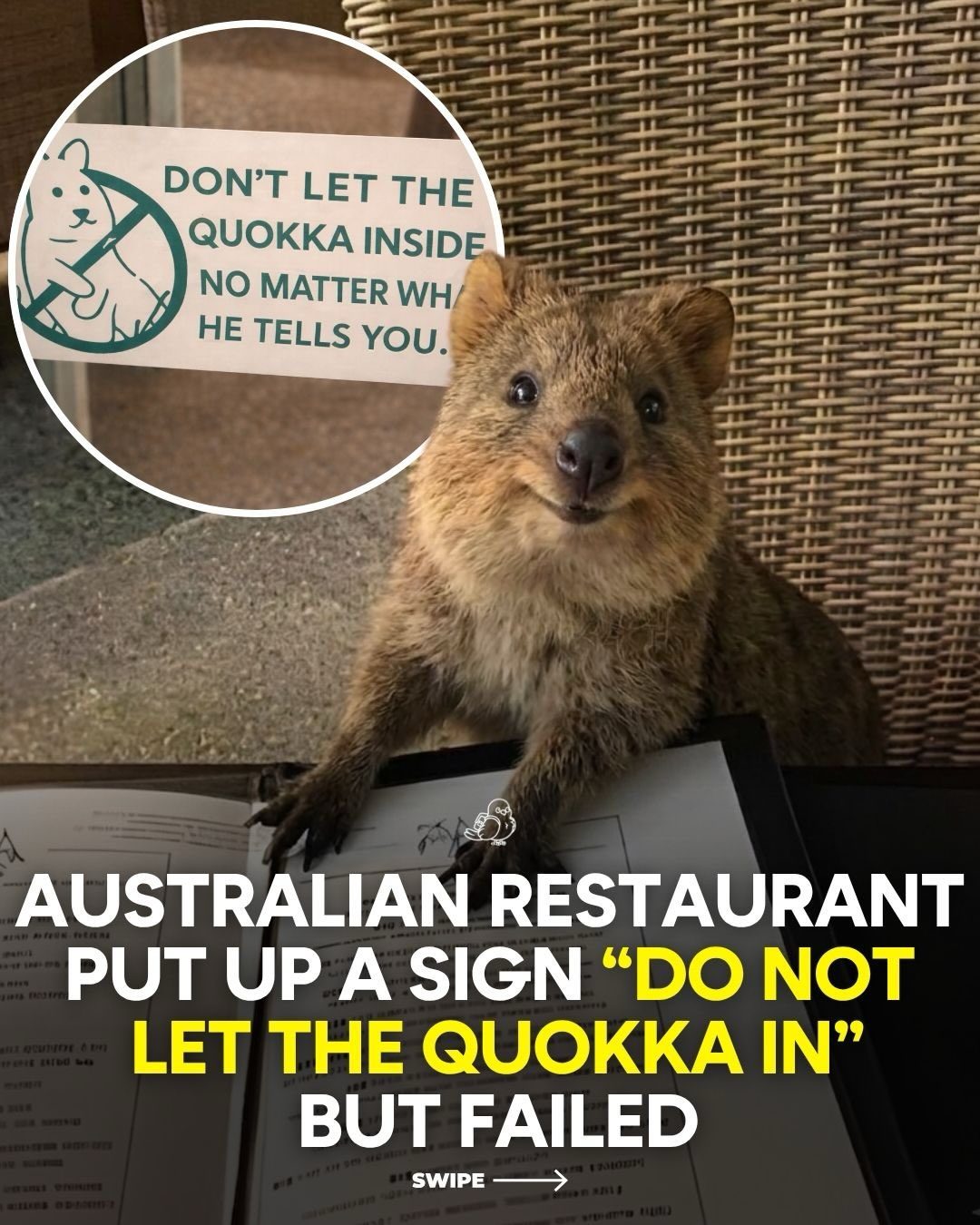
Visiting a restaurant on Rottnest Island in Western Australia, you might encounter a peculiar sight: signs warning patrons not to let quokkas inside. These friendly, curious marsupials are a common sight on the island, and their playful nature often leads them to restaurants, hoping for a snack. The challenge for the restaurant staff is keeping these friendly critters from wandering in and causing trouble.
Why This Matters
Rottnest Island is a unique destination known for its beautiful beaches, clear blue waters, and of course, its quokkas. These small marsupials are known for their friendly and curious nature, making them a favorite among tourists. However, their presence near restaurants poses a challenge. Quokkas are attracted to human food, which can be harmful to their diet. Feeding them can lead to reliance on human food, which ultimately disrupts their natural eating habits and can cause health issues.
The Encounter at Restaurants
Quokkas and Their Friendly Nature
Quokkas are known for their friendly and curious nature. They are often seen around the island, especially near tourist areas, in search of food. Their playful and persistent nature can sometimes lead them to wander into restaurants, despite the signs warning patrons to keep them out. The video highlights a humorous situation where a quokka sneaks into a restaurant, seemingly ignoring the warning signs.
The Signs and Their Purpose
Signs such as "DON'T LET THE QUOKKA INSIDE" and "NO MATTER WHAT HE TELLS YOU" serve as reminders for visitors to keep the quokkas out. These signs are put up by the restaurant staff to prevent quokkas from entering, as human food can be harmful to them. The signs also underscore the importance of not feeding the quokkas, as it can lead to health issues and unbalanced diets.
Challenges for Restaurant Staff
Restaurant staff face the challenge of keeping quokkas out while maintaining a welcoming environment for visitors. They often put up signs and take other measures, but quokkas, with their playful and persistent nature, can still find their way in. The video shows that even with signs warning patrons, quokkas still manage to sneak in, highlighting the difficulty of keeping them out.
Practical Tips for Visitors
When visiting Rottnest Island, it's essential to follow the guidelines to ensure the well-being of the quokkas and enjoy your time on the island.
Do Not Feed the Quokkas
Feeding quokkas can cause them to rely on human food, leading to health issues and an unbalanced diet. It's also important to remember that human food can be harmful to their health. Instead, let them find their food in their natural habitat.
Respect the Signs
Respect the signs and guidelines put up by the restaurants. These signs are there for a reason and help maintain the well-being of the quokkas.
Enjoy from a Distance
Quokkas are playful and curious, and it's tempting to interact with them. However, it's best to enjoy their company from a distance and let them be in their natural habitat.
Important Takeaways
Quokkas are a delightful part of Rottnest Island's ecosystem, but their presence near restaurants poses a challenge. Here are some key takeaways:
- Quokkas are friendly and curious, often found around tourist areas.
- Signs are put up to prevent quokkas from entering restaurants, as human food can be harmful to them.
- Feeding quokkas can lead to reliance on human food, causing health issues and disrupting their natural eating habits.
- Restaurant staff face the challenge of keeping quokkas out while maintaining a welcoming environment for visitors.
Conclusion
Visiting a restaurant on Rottnest Island can be a unique experience, especially with the quokkas wandering around. However, it's essential to remember to respect the signs and guidelines put up by the restaurants. Enjoy the quokkas from a distance and let them be in their natural habitat. By doing so, you contribute to their well-being and ensure a pleasant experience for both the quokkas and the visitors.
Watch the Reel
Questions readers ask
Why do quokkas enter restaurants on Rottnest Island?
Quokkas are drawn to restaurants by the smell of food and their natural curiosity. Despite signs warning against their entry, these marsupials often wander into these establishments to seek food but their presence there is not beneficial for the animals or the staff.
What are the potential issues caused by quokkas in restaurants?
Quokkas in restaurants can create disturbances, cause damage to the property, and pose a challenge for staff trying to manage them. Additionally, human food may not be safe or healthy for the marsupials, potentially causing them harm.
What do the signs at Rottnest Island restaurants say about quokkas?
The signs remind patrons not to let quokkas enter the restaurants. They highlight that allowing these animals in can lead to harm for the animals and make work difficult for the staff. The signs are clear in their warnings to maintain a safe environment for all.
How do quokkas typically behave around humans on Rottnest Island?
Quokkas are known for their friendly and curious behavior around humans. They often approach tourists and staff, seeking food and interaction. However, their behavior can lead to unwanted situations, such as entering restaurants despite warnings.
What should visitors do if they encounter a quokka on Rottnest Island?
Visitors should enjoy observing quokkas from a distance and avoid feeding them. If a quokka approaches a restaurant, it is important to gently guide it away and not let it enter the establishment to ensure the animal's safety and the smooth operation of the restaurant.
Related deep dives
Similar reads based on topic and creator.




Recent articles
Fresh deep dives from the latest Reels we unpacked.
Comments
Be the first to comment.