Quantum Computing Challenges Encryption
The rapid advancement of quantum computing is poised to upend the way we think about internet security. Quantum computers, with their unprecedented processing power, could potentially crack the encryption algorithms that currently protect our online activities. This means that those safeguarding our banks, passwords, and personal data could be compromised. But there is a solution on the horizon.
Why This Matters
Quantum computers leverage a fundamental difference in processing power compared to classical computers. While classical computers use binary digits (0s and 1s) to process information, quantum computers use quantum bits, or qubits, which can represent both 0 and 1 simultaneously. This property allows quantum computers to solve certain types of mathematical problems much more efficiently than classical computers.
The Encryption Dilemma
Currently, internet security relies on mathematical puzzles that are computationally intensive for regular computers to solve. These puzzles take thousands of years for classical computers to unravel, but quantum computers could potentially crack them in weeks or even days. This poses a significant threat to our current encryption standards, which are the backbone of online security.
Enter Lattice-Based Cryptography
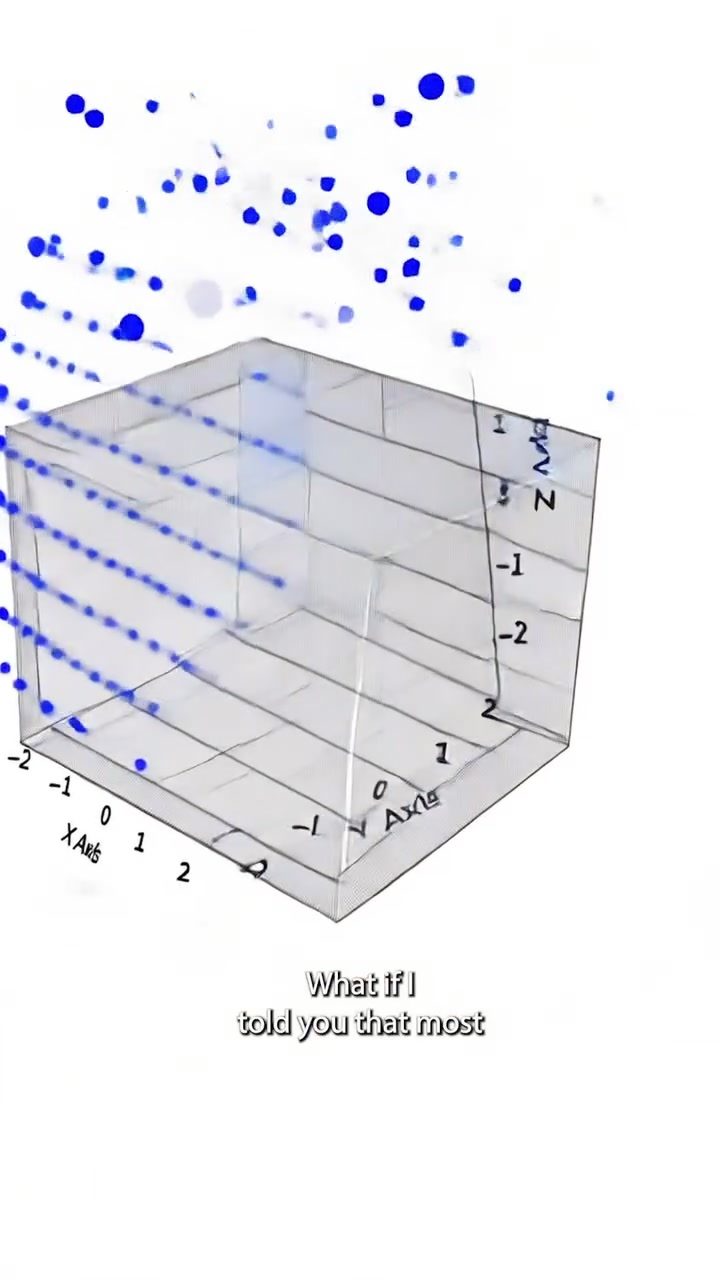
To counter this threat, a team of cryptographers, led by Joppe Bos, created a solution called CRYSTALS-Kyber. This cryptographic algorithm uses lattice-based cryptography, a type of encryption that is fundamentally different from traditional methods. Instead of relying on traditional mathematical problems, lattice-based cryptography uses a grid in multiple dimensions with thousands of points. The secret message is hidden using math that involves finding specific paths between these points.
Lattice-based cryptography is particularly fascinating because it is believed to be resistant to the power of quantum computers. Even the most advanced quantum computers can get lost trying to solve the complex pathways involved in this type of encryption.
Main Discussion
How CRYSTALS-Kyber Works
CRYSTALS-Kyber leverages the principles of lattice-based cryptography to create a secure encryption method. The basic idea is to use a complex lattice structure where the secret message is embedded in a way that's computationally challenging for quantum computers to decode. Here’s a breakdown of how it works:
The Lattice Structure
Imagine a grid in multiple dimensions, with thousands of points. Your secret message is hidden using math that involves finding specific paths between these points. This complex structure makes it extremely difficult for quantum computers to decipher, as they would need to navigate through an immense number of possible paths.
Pathfinding and Security
The security of CRYSTALS-Kyber lies in the complexity of finding specific paths within the lattice. Even quantum computers, which can process vast amounts of data simultaneously, get lost in the intricate web of possible routes. This ensures that the encryption remains robust against quantum attacks.
Real-World Applications
One of the most exciting aspects of CRYSTALS-Kyber is that it is not just a theoretical concept. Google’s Chrome browser is already implementing this type of encryption. This means that as you browse the web, your data is being protected by this advanced cryptographic method. Additionally, credit cards and even car systems are expected to adopt this technology in the near future.
Practical Tips
Understanding the Basics of Quantum Computing
To fully grasp the implications of quantum computing on encryption, it's helpful to understand the basic principles of quantum mechanics. Quantum computers use qubits, which can exist in multiple states at once, allowing them to process vast amounts of data simultaneously. This makes them vastly more powerful than classical computers for certain types of problems.
Staying Informed About Encryption Updates
As quantum computing technology advances, it is crucial to stay updated on the latest developments in encryption. Follow reputable sources for news and updates on cryptographic advancements and how they are being implemented in real-world applications. This will help you understand the evolving landscape of internet security and how your data is being protected.
Adopting Quantum-Resistant Technologies
If you're involved in cybersecurity or IT, consider adopting quantum-resistant encryption technologies. This proactive approach will ensure that your systems are prepared for the future challenges posed by quantum computing.
Important Takeaways
The Future of Encryption
The future of encryption is shifting towards quantum-resistant technologies. CRYSTALS-Kyber represents a significant leap forward in securing our online activities against the threats posed by quantum computing. As these technologies become more prevalent, we can expect a safer and more secure digital landscape.
Collaboration and Innovation
The development of CRYSTALS-Kyber is a testament to the power of collaboration and innovation in the field of cryptography. By leveraging lattice-based cryptography, researchers have created a robust solution that is already being implemented in real-world applications.
Staying Ahead of the Curve
Staying informed and adopting new technologies is crucial for maintaining the security of our digital lives. As quantum computing continues to evolve, it is essential to keep up with the latest advancements in encryption and cybersecurity.
Conclusion
The advent of quantum computing presents both challenges and opportunities in the realm of internet security. While quantum computers pose a threat to our current encryption methods, solutions like CRYSTALS-Kyber offer a path forward. By leveraging lattice-based cryptography, we can create more secure encryption methods that are resistant to the power of quantum computers. As we move forward, it is crucial to stay informed and adopt these new technologies to ensure the safety and security of our digital lives.
Watch the Reel
Questions readers ask
How do quantum computers threaten online security?
Quantum computers pose a threat due to their immense processing power, which enables them to crack encryption algorithms that currently safeguard online activities. This means that sensitive data, such as passwords and financial information, could potentially be compromised.
What is lattice-based cryptography and why is it important?
Lattice-based cryptography is a type of cryptographic method that is believed to be resistant to attacks from quantum computers. It is important because it offers a promising solution to secure data in the quantum age, ensuring that our online activities remain protected as quantum computing advances.
How do quantum computers differ from classical computers in terms of processing power?
Quantum computers use qubits, which can represent both 0 and 1 simultaneously, unlike classical computers that use binary digits. This fundamental difference allows quantum computers to solve certain problems much more efficiently, making them a significant threat to current encryption methods.
What are quantum-resistant algorithms and how can they help with online security?
Quantum-resistant algorithms are cryptographic methods designed to withstand attacks from quantum computers. They can help with online security by ensuring that our data remains protected even as quantum computing technology advances, safeguarding our online activities and personal information.
What steps are being taken to address the security threats posed by quantum computers?
Researchers and cybersecurity experts are exploring various solutions, such as lattice-based cryptography, to develop quantum-resistant algorithms. These efforts aim to stay ahead of the potential threats posed by quantum computers and ensure that our online security methods remain robust in the face of advancing quantum technology.
Why should individuals and businesses be concerned about the future of internet security in light of quantum computing?
The future of internet security is at risk as quantum computers pose a significant threat to traditional encryption methods. Without proactive measures, personal data, financial information, and confidential business data could be vulnerable. It is crucial to adopt quantum-resistant solutions to protect sensitive information in the long term.
Related deep dives
Similar reads based on topic and creator.


Recent articles
Fresh deep dives from the latest Reels we unpacked.




Comments
Be the first to comment.