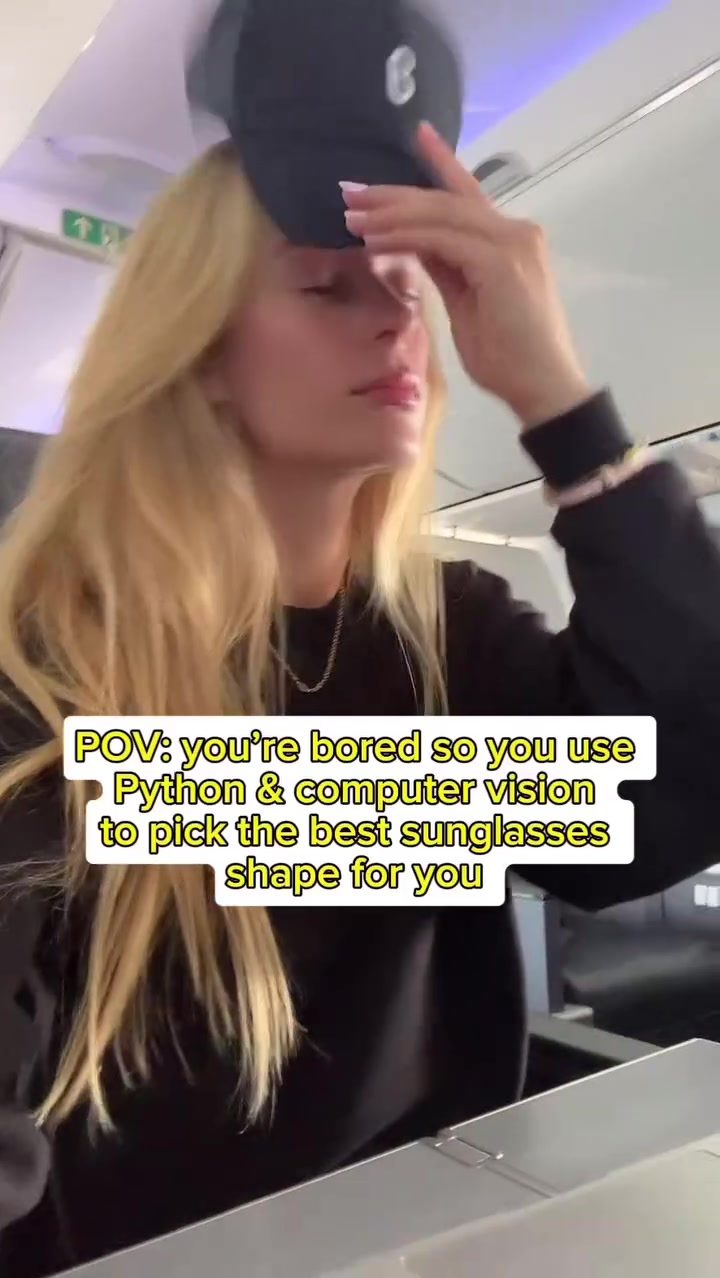
Virtual Sunglasses Try-On with Python and Computer Vision
Do you find yourself wondering how a pair of sunglasses will fit your face? By leveraging Python and computer vision, users can visualize the perfect match using their computer. Imagine analyzing sunglasses shapes, then inputting them to predict the best fit for your face. These tools offer a fun and efficient method to try on different styles virtually, showcasing a practical application of computer vision technology.
Why This Matters
In today's digital age, technology has permeated nearly every aspect of our lives. From online shopping to virtual consultations, the convenience of digital tools has become indispensable. When it comes to fashion, the ability to virtually try on items has revolutionized the shopping experience. For sunglasses, in particular, the right fit and style can make a significant difference in both comfort and appearance. By utilizing Python and computer vision, users can now harness the power of technology to make informed decisions about their fashion choices without ever leaving their homes.
Main Discussion
The Technology Behind Virtual Try-On
Virtual try-on technology relies heavily on computer vision and image analysis. The process begins with inputting images of various sunglasses. These images are then analyzed to determine their shape, size, and other key features. The computer vision algorithm breaks down the facial structure and measures it against the sunglasses to determine the best fit. This involves calculating scores for different styles such as round, square, and aviator sunglasses, offering a tailored recommendation based on the user's facial features.
The Role of Python
Python is a versatile programming language widely used for its simplicity and powerful libraries. In this context, Python serves as the backbone for the virtual try-on application. It enables the integration of computer vision algorithms, which analyze and process images of sunglasses and facial features. Python's extensive libraries, such as OpenCV and face_recognition, are instrumental in performing these tasks efficiently. The script's strength lies in its ability to handle complex calculations and deliver accurate results, making it a valuable tool for anyone interested in experimenting with computer vision.
How It Works
The process begins with inputting images of sunglasses you want to try on. The algorithm analyzes these images and calculates a score for each shape based on how well it fits your face. For example, the script might display scores for round (6), square (8), and aviator (7) sunglasses, ultimately declaring the square shape as the winner. This step-by-step analysis ensures that the recommendation is based on precise measurements and visual data, providing a reliable guide for choosing the perfect pair of sunglasses.
Practical Tips
- Choose High-Quality Images: Ensure that the images of sunglasses you input are of high quality. Clear and well-lit images will provide more accurate results.
- Consistent Lighting: Maintain consistent lighting when taking facial images. This consistency helps the computer vision algorithm to analyze and measure facial features more accurately.
- Experiment with Different Styles: Don't limit yourself to traditional shapes. Experiment with various styles to see which one best complements your facial features.
- Refine the Algorithm: If you're comfortable with coding, consider refining the algorithm to better suit your specific needs. Customizing the script can enhance its accuracy and provide more personalized recommendations.
Important Takeaways
Virtual try-on technology is a game-changer in the world of fashion. By leveraging Python and computer vision, users can now make informed decisions about their fashion choices with ease. The ability to analyze and score different sunglasses shapes based on facial features simplifies the process of finding the perfect fit. This technology not only saves time but also enhances the overall shopping experience, making it more enjoyable and efficient.
Conclusion
Virtual sunglasses try-on using Python and computer vision offers a practical and efficient way to experiment with different styles. By analyzing images and calculating scores for various shapes, this technology provides reliable recommendations tailored to individual facial features. Whether you're a tech enthusiast or simply someone who loves trying out new fashion trends, this method offers a convenient and accurate solution for finding the perfect pair of sunglasses. Embrace the future of fashion with the power of technology and enhance your style journey with virtual try-on applications.
Watch the Reel
Questions readers ask
How does Python help in finding the best sunglasses shape for my face?
Python, along with computer vision libraries like OpenCV, enables users to analyze facial features and sunglasses shapes. By processing images, Python can predict how different sunglasses will fit and complement your face, helping you make an informed decision.
What is the process of virtually trying on sunglasses using computer vision?
The process involves using face detection algorithms to identify key facial features. Once detected, the system overlays different sunglasses shapes onto your face in real-time, allowing you to see how each pair would look. This is done through image processing techniques that ensure the sunglasses fit naturally on your face.
Can I use this technology to compare round vs. square sunglasses on my face?
Absolutely. By inputting images of both round and square sunglasses into the system, you can compare how each shape looks on your face. The computer vision algorithms will help you visualize the differences, making it easier to decide which shape suits you better.
Do I need any special equipment to try on sunglasses virtually?
No special equipment is required. You can use your computer's webcam or a smartphone camera to capture your image. The Python scripts and computer vision tools will process the image directly from your device, making the experience convenient and accessible.
How accurate are the predictions made by the Python and computer vision system?
The accuracy of the predictions depends on the quality of the algorithms and the image processing techniques used. Generally, these systems are quite reliable, providing a good approximation of how the sunglasses will fit and look on your face. However, minor adjustments might be needed for a perfect fit in real life.
Can I generate a face fit sunglasses video to share with others?
Yes, many of these systems allow you to create a face fit sunglasses video. By capturing a series of images or a short video clip, the system can overlay different sunglasses shapes, creating a dynamic visual representation that you can share with friends or family for their input.
What if the virtual try-on doesn't look good on my face, but I still like the sunglasses?
If the virtual try-on doesn't look as expected, consider trying the sunglasses in person. The virtual try-on is a helpful guide, but real-life factors like lighting, angle, and personal style preferences can vary. Trust your instincts and if you like the sunglasses, they might still be a good choice for you.
Related deep dives
Similar reads based on topic and creator.


Recent articles
Fresh deep dives from the latest Reels we unpacked.




Comments
Be the first to comment.