The Artistic Prowess of the Torquigener albomaculosus
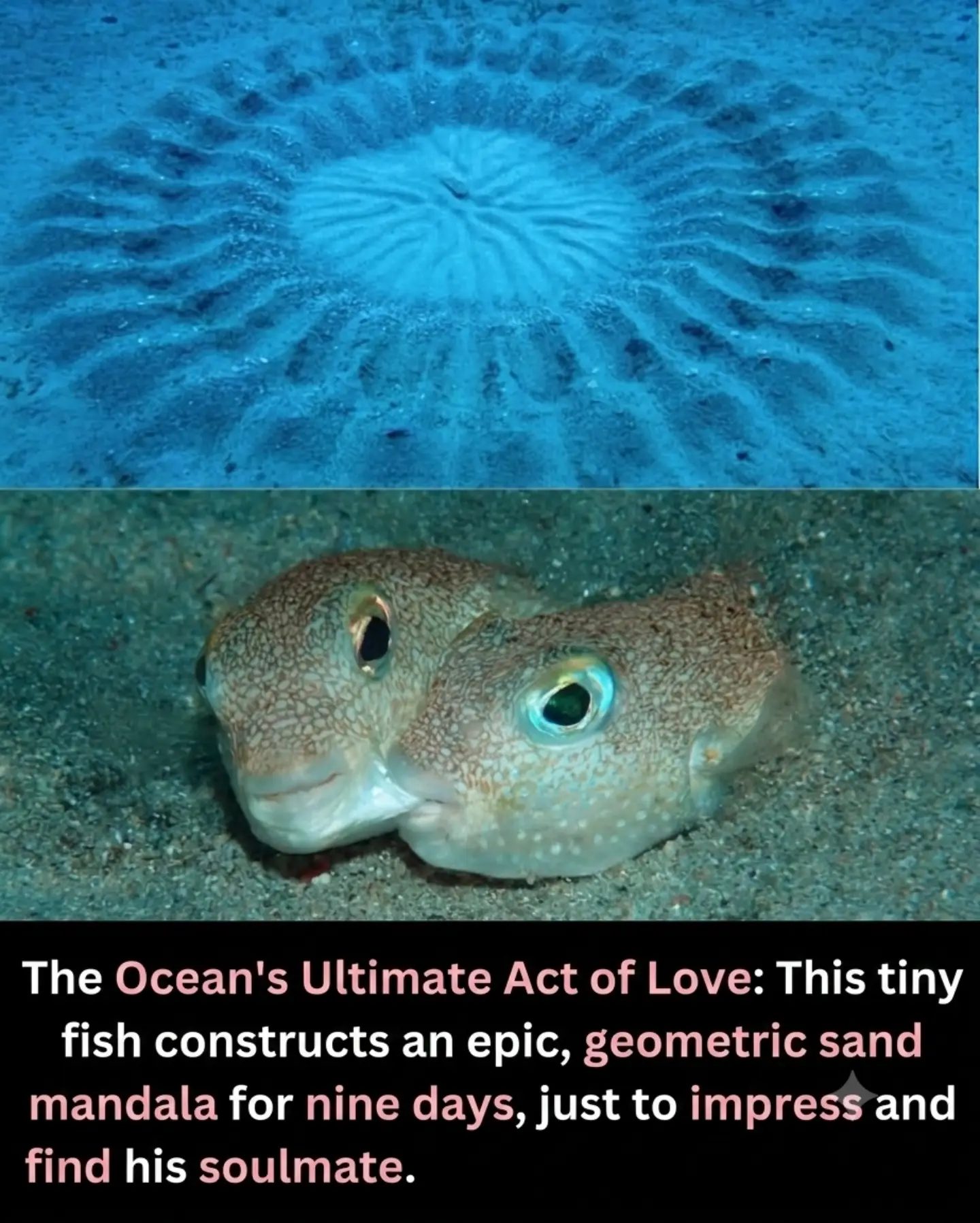
The Torquigener albomaculosus, a tiny pufferfish, is responsible for one of the most extraordinary artistic feats in the natural world. This 4-inch fish is the architect behind intricate sand mandalas found on the seafloor. Known as the Ocean's Ultimate Act of Love, these geometric designs serve a profound purpose in the fish's mating ritual.
The Discovery and Significance of the Mandalas
In 1995, divers off the coast of Japan stumbled upon mysterious geometric circles carved into the seabed. These perfectly symmetrical patterns went unexplained for years, until scientists finally identified the mastermind behind them in 2012. The architect was revealed to be the Torquigener albomaculosus, a species of pufferfish.
The mandalas, constructed by a single male fish, are a remarkable feat of engineering. Without any blueprints or tools, the fish uses its fins to carve flawless radial ridges and valleys into the sand. The intricate design is stunningly symmetrical, and the process takes an astonishing nine days to complete. The finished structure stretches 7 feet wide, nearly 20 times the length of the fish itself.
The Purpose and Ephemerality of the Mandalas
The creation of these mandalas is not just an artistic endeavor; it serves a critical biological purpose. The male fish constructs these structures to attract a mate. If a female Torquigener albomaculosus approves of the symmetry and design, she lays her eggs in the calm center of the mandala. The male then guards the nest until the eggs hatch. This process highlights the fish's dedication and the importance of the mandala in their reproductive cycle.
Once the fry hatch, the male fish abandons the site, and the tide quickly erases the structure. This ephemerality ensures that the male does not reuse the nest. Every mating season, he starts again entirely from scratch, creating a new mandala to entice a mate.
The Engineering Marvel of the Mandalas
The mandalas are not just visually impressive; they also serve a functional purpose. The channels carved into the sand perfectly buffer ocean currents, creating a calm center. This protected area is essential for the female to lay her eggs and for the male to guard them until they hatch. This intricate design showcases the fish's ability to adapt and engineer its environment to meet specific needs.
The Mating Ritual and Reproduction
The mandala-building process is a key part of the Torquigener albomaculosus' mating ritual. Each male fish dedicates himself to the creation of a new mandala every mating season, ensuring that the structure is fresh and enticing for potential mates. This dedication and the high level of craftsmanship involved in constructing the mandalas are a testament to the fish's instinctive knowledge and skill.
By constructing these intricate sand mandalas, the male fish maximizes its chances of attracting a mate and ensuring the survival of its offspring. The mandala's design and the male's dedication to its creation demonstrate a level of natural engineering that is both awe-inspiring and deeply meaningful in the context of the fish's reproductive cycle.
Practical Tips for Observing Mandalas in Nature
For those interested in observing this phenomenon, it is important to approach the underwater world with respect and care. Divers should maintain a safe distance from these delicate structures to avoid disturbing the fish and their natural behavior.
Important Takeaways
The sand mandalas created by the Torquigener albomaculosus are a stunning example of natural artistry and engineering. These intricate structures serve a critical purpose in the fish's mating ritual and demonstrate the animal's ability to adapt and thrive in its environment. The dedication and skill involved in constructing these mandalas are a testament to the fish's natural instincts and the importance of its reproductive cycle.
Conclusion
The Torquigener albomaculosus is truly nature's greatest artist. Its ability to create intricate sand mandalas for the purpose of attracting a mate is a fascinating and inspiring example of the wonders of the natural world.
Watch the Reel
Questions readers ask
Why do pufferfish create sand mandalas?
Pufferfish, specifically the Torquigener albomaculosus, create sand mandalas primarily as part of their mating ritual. These intricate designs serve as a display of the male pufferfish's dedication and craftsmanship to attract potential mates. The more elaborate and symmetrical the mandala, the more likely it is to capture the attention of a female pufferfish.
How large are the sand mandalas created by pufferfish?
The sand mandalas created by the Torquigener albomaculosus pufferfish are typically about 6-8 feet in diameter. These designs are remarkably large considering the fish themselves are only about 4 inches in length, making the achievement even more impressive.
What are the key features of a pufferfish sand mandala?
Pufferfish sand mandalas are known for their precise geometric patterns and symmetrical designs. They often feature a series of concentric circles, radial lines, and sometimes even spiral patterns. These intricate designs are created by the male pufferfish using its fins to sweep away sand and create the intricate art patterns.
When do pufferfish create their sand mandalas?
Pufferfish, particularly the Torquigener albomaculosus, create their sand mandalas during a specific season. This 'sand mandala season' typically occurs around the time when the fish are ready to mate. The creation of these art patterns signals to female pufferfish that a male is ready for courtship.
How do scientists know that pufferfish create these sand mandalas?
The discovery of pufferfish as the creators of these sand mandalas was a result of extensive observation and scientific research. In 2012, scientists conducted studies that confirmed the Torquigener albomaculosus as the architect behind these intricate designs, solving a mystery that had puzzled researchers since the mandalas were first discovered in 1995.
Can pufferfish sand mandalas be found in all oceans?
Pufferfish sand mandalas, specifically those created by the Torquigener albomaculosus, are found in the waters around Japan. While other species of pufferfish exist in various oceans, the creation of these intricate sand art patterns is unique to this particular species and has only been documented in specific regions of the Pacific Ocean.
What happens to the sand mandalas after they are created?
After a female pufferfish inspects the mandala, it is abandoned. Typically, the intricate patterns are left to be washed away by ocean currents or covered by shifting sand. The creation of a new mandala is part of the continuous mating ritual and courtship process for the pufferfish.
Related deep dives
Similar reads based on topic and creator.




Recent articles
Fresh deep dives from the latest Reels we unpacked.



Comments
Be the first to comment.