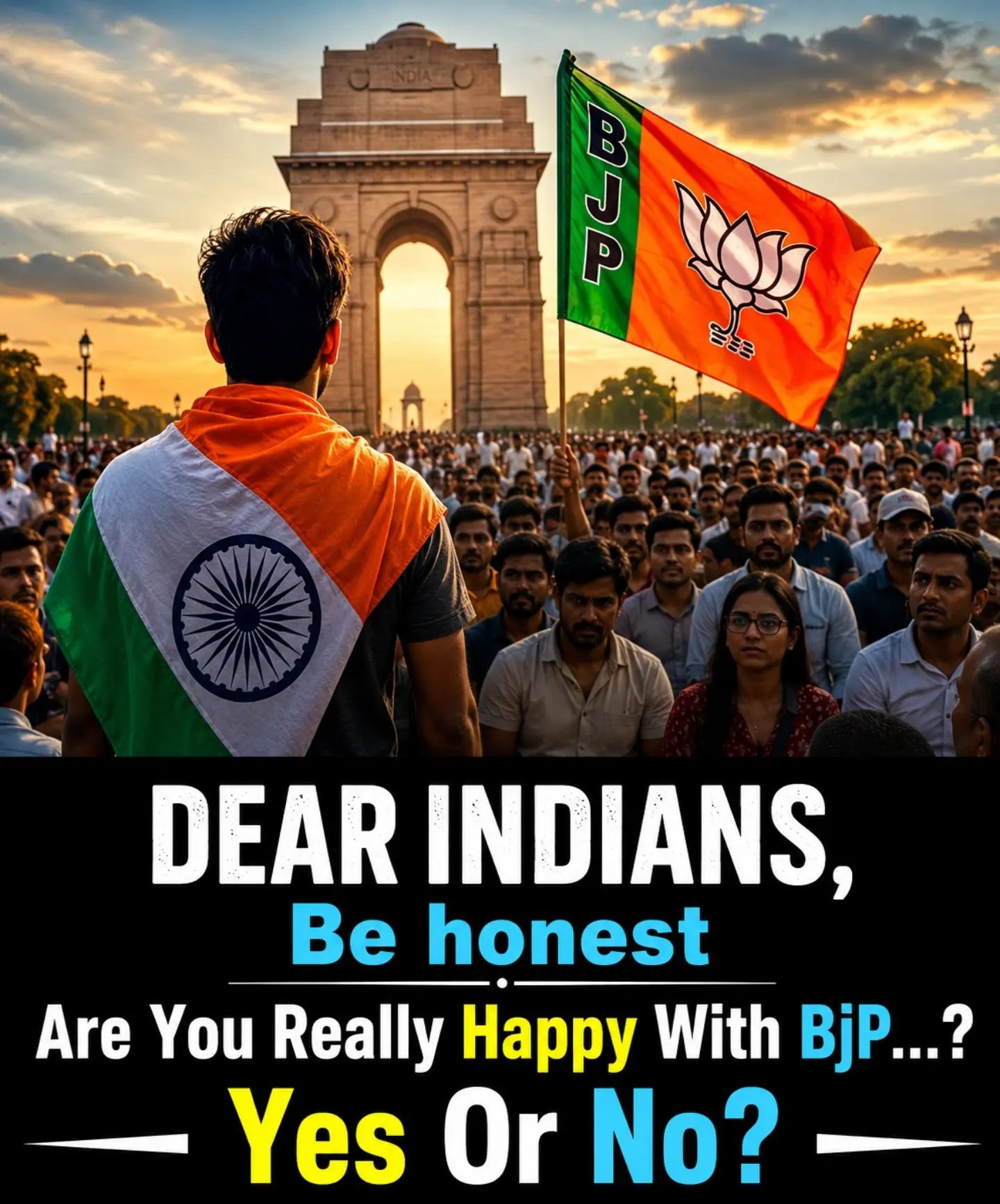
Political Commentary: Public Sentiment Towards the BJP
The Bharatiya Janata Party (BJP) has been a dominant political force in India, sparking both support and controversy among the public. This discussion focuses on the sentiments and opinions of the general public towards the BJP, exploring the factors that influence these perceptions and how they shape the political landscape.
Why This Matters
Understanding public sentiment towards major political parties like the BJP is crucial for several reasons. It provides insights into the effectiveness of government policies, the level of public satisfaction with governance, and the potential for political shifts. By examining these sentiments, we can better grasp the dynamics that drive political decisions and the public's reactions to them.
Main Discussion
The Role of Public Sentiment in Politics
Public sentiment plays a pivotal role in shaping the political landscape. It reflects the collective opinions and attitudes of citizens towards their government and its policies. These sentiments can be influenced by a variety of factors, including economic conditions, social issues, and political events. For instance, economic hardships or policy failures can lead to widespread dissatisfaction, while successful initiatives can boost public morale and support for the ruling party.
The BJP's Influence and Impact
The BJP, as one of India's leading political parties, has had a significant impact on the country's governance and public sentiment. Since its inception, the party has pushed for various policies and initiatives that have garnered both praise and criticism. For example, the party's economic reforms and social welfare programs have been praised for their positive impact on certain sectors, while they have been criticized for their potential to exacerbate social inequalities.
Factors Influencing Public Opinion
Several factors influence public opinion towards the BJP. Economic performance, social policies, and national security are among the key areas that shape public sentiment. Economic growth and job creation tend to garner support, while economic downturns and unemployment can lead to dissatisfaction. Additionally, social policies, such as welfare programs and healthcare initiatives, have a significant impact on how the public perceives the party's effectiveness in addressing their needs.
Public Sentiment and Political Participation
Public sentiment also influences political participation, including voting behavior and civic engagement. When citizens feel satisfied with the government's performance, they are more likely to actively participate in the political process. Conversely, dissatisfaction can lead to a decrease in voter turnout and an increase in apathy. This dynamic affects the overall health of democracy and the legitimacy of political institutions.
The Role of Media and Social Influencers
Media coverage and social influencers play a crucial role in shaping public sentiment. They can amplify certain narratives, influence public opinion, and mobilize citizens around specific issues. For example, positive media coverage of the BJP's achievements can boost public support, while negative coverage can undermine public confidence in the party. Similarly, social influencers who align with the BJP or oppose it can sway public opinion in their favor.
The Impact of Political Commentary
Political commentary, such as public debates, polls, and social media discussions, further influence public sentiment. These platforms provide a space for citizens to express their views and engage in dialogue about political issues. For instance, the public's response to the question 'Dear Indians, Be honest, Are You Really Happy With BJP...? Yes Or No?' can reveal a lot about their satisfaction with the party's performance and their expectations for the future.
Practical Tips
Staying Informed
Staying informed about current events and political developments is essential for forming an informed opinion. Utilize reliable news sources and read multiple perspectives to gain a comprehensive understanding of the issues at hand.
Engaging in Dialogue
Engaging in dialogue with others about political issues can help you understand different viewpoints and deepen your own insights. Participate in community discussions, join online forums, and engage with people who hold diverse opinions to broaden your perspective.
Participating in Political Processes
Active participation in political processes, such as voting and volunteering, can make a significant impact. Your voice and actions can influence political outcomes and contribute to shaping a more inclusive and representative political landscape.
Supporting Transparent Governance
Supporting initiatives that promote transparency and accountability in governance is crucial. Encourage policies that ensure open communication between the government and the public, and advocate for measures that hold political leaders accountable for their actions.
Important Takeaways
Understanding the Dynamics of Public Sentiment
Public sentiment towards the BJP is dynamic and influenced by a range of factors, including economic performance, social policies, and media coverage. Understanding these dynamics is essential for grasping the broader political landscape.
The Role of Media and Social Influencers
Media and social influencers play a significant role in shaping public opinion. They can amplify certain narratives and mobilize citizens around specific issues, making it crucial to be aware of their influence.
The Impact of Political Commentary
Political commentary, whether through public debates, polls, or social media discussions, provides valuable insights into public sentiment. Engaging in these conversations can help you better understand the political landscape and contribute to a more informed public discourse.
The Importance of Political Participation
Active participation in political processes is essential for shaping a democratic society. By engaging in voting, volunteering, and advocating for transparent governance, you can make a difference and contribute to a more inclusive political environment.
Conclusion
Public sentiment towards the BJP is a multifaceted issue influenced by a variety of factors. Understanding these dynamics and staying informed about current events can help you form a more nuanced perspective on political issues. Engaging in dialogue, participating in political processes, and supporting initiatives that promote transparency and accountability are all ways to contribute to a more informed and inclusive political environment. By doing so, you can play an active role in shaping the future of your community and country.
Watch the Reel
Questions readers ask
What are the primary factors influencing public sentiment towards the BJP in India?
Public sentiment towards the BJP is primarily shaped by economic conditions, social issues, and political events. Specific factors include the success of economic reforms, the impact of welfare programs, and the government's handling of social issues and political crises.
How do economic reforms impact public opinion on the BJP?
Economic reforms implemented by the BJP, such as demonetization and the Goods and Services Tax (GST), have mixed reviews. While some reforms have led to economic growth and job creation, others have faced criticism for causing short-term disruption and hardship, influencing public opinion accordingly.
What are some of the welfare programs that have earned the BJP praise?
Welfare programs like the Pradhan Mantri Jan Dhan Yojana (PMJDY), which aims to provide financial inclusion, and the Swachh Bharat Abhiyan (Clean India Mission) have been well-received. These initiatives have improved access to banking services and public health, leading to increased public support for the BJP.
Why is there criticism of the BJP's policies and rule?
The BJP has faced criticism for various reasons, including perceived mishandling of economic conditions, failures in implementation of policies, and concerns over rising social inequalities. Issues like unemployment and inflation have also contributed to a sense of dissatisfaction among certain segments of the population.
How do social issues influence public sentiment towards the BJP?
Social issues, such as communal tensions, caste-based discrimination, and women's safety, significantly impact public sentiment. The BJP's approach to these issues, whether seen as effective or inadequate, shapes public opinion and can either bolster or erode support for the party.
What role do political events play in shaping public opinion on the BJP?
Political events, such as elections, legislative decisions, and high-profile scandals, can dramatically alter public opinion. For example, a decisive election win can boost public morale and support, while a significant policy failure can lead to widespread discontent and criticism.
How does public sentiment towards the BJP vary across different regions in India?
Public sentiment towards the BJP varies significantly across different regions due to diverse socioeconomic conditions and cultural factors. In some regions, the BJP enjoys strong support due to successful governance and effective implementation of programs, while in others, critique and resistance are more prevalent due to perceived neglect or mismanagement.
Related deep dives
Similar reads based on topic and creator.



Recent articles
Fresh deep dives from the latest Reels we unpacked.




Comments
Be the first to comment.