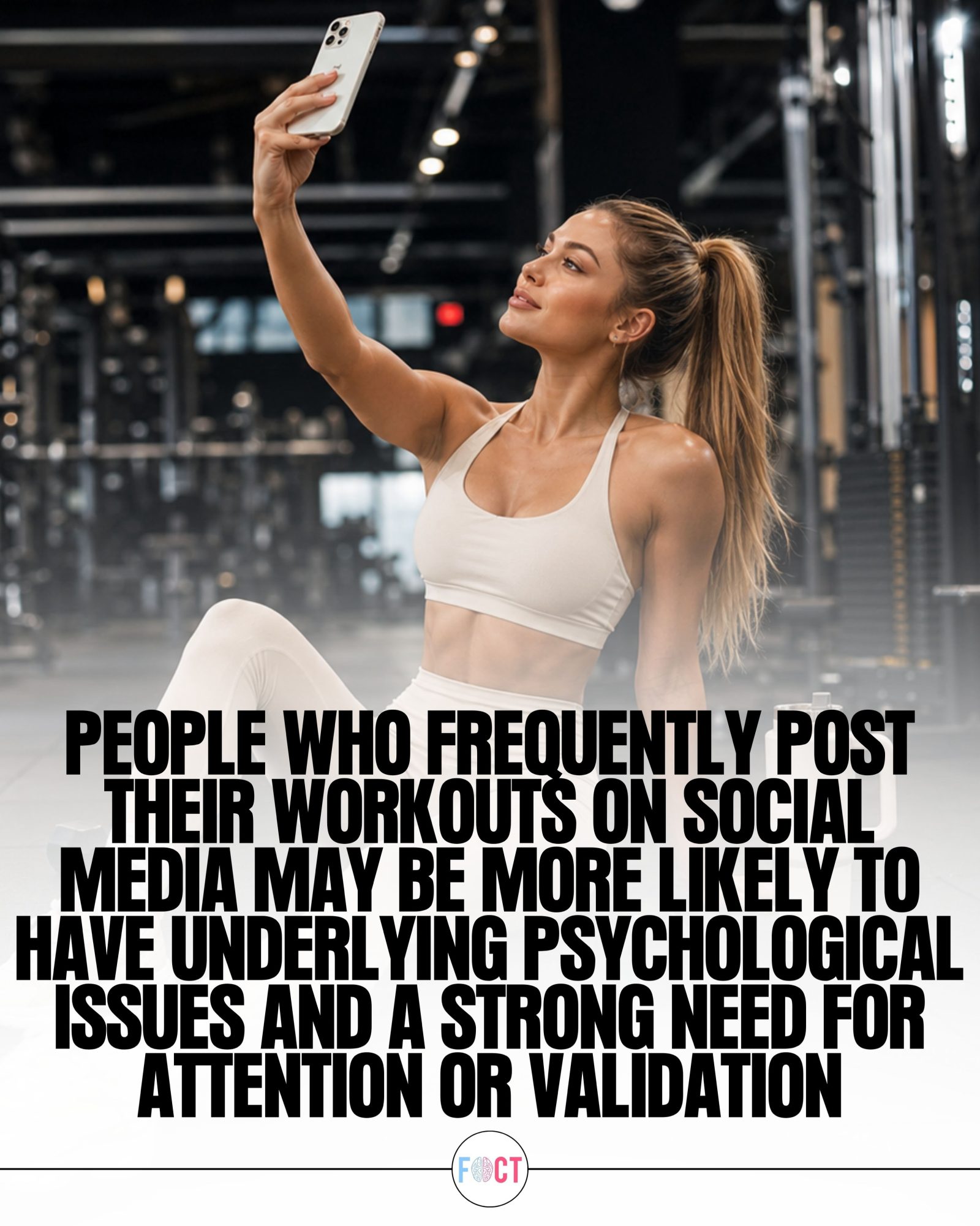
Frequent Workout Posts on Social Media: Understanding the Psychological Motivations
The link between frequent workout posts on social media and underlying psychological needs is a topic that has gained significant attention. Recent studies suggest that people who repeatedly share gym selfies and workout updates may be driven by specific psychological motivations, such as a need for attention or validation.
Context / Why this matters
In today's digitally connected world, social media has become an integral part of daily life, including fitness routines and workout updates. Understanding the psychological motivations behind these updates can provide insights into broader social media behaviors and mental health. For instance, many people share their workout routines and achievements. Frequently posting about workouts can sometimes be a way to boast about physical appearance, or at least about the effort invested in maintaining it.
Main discussion
The Study from Brunel University
A study conducted by the UK’s Brunel University delved into the motivations behind people posting gym updates on social media. The research indicated that people who frequently post about their workouts often have a clear primary motivation: to boast about their looks or the time invested in physical appearance. This preoccupation with looks and attractiveness can be linked to narcissistic traits.
The study explains that narcissists more frequently update about their achievements. Their motivation comes from a strong need for attention and validation from their social media community. This need is often driven by a desire to receive likes, comments, and other forms of social approval.
Social Media and Self-Esteem
It's essential to consider the broader context of social media and self-esteem. Women, in particular, often face constant pressure from advertising and certain media outlets, which can negatively impact their self-esteem. Sharing workout updates and receiving positive feedback can serve as a confidence booster. This dynamic highlights the dual nature of social media: it can both exacerbate insecurities and provide a platform for validation and support.
The Role of Attention and Validation
The need for attention and validation is a significant driver for frequent workout posts. Narcissistic traits, characterized by an excessive need for admiration and a lack of empathy for others, often manifest in the form of excessive self-promotion on social media. This behavior can be seen in the frequent posting of workout updates, where individuals seek to gain attention and validation from their peers.
Recent studies suggest that while narcissists may receive more likes and comments on their posts, their friends and followers may not genuinely appreciate these updates. Instead, they might offer support out of politeness while secretly disliking such egotistical displays. This discrepancy between perceived and actual social reception can further complicate the psychological motivations behind frequent workout posts.
The Impact on Friends and Followers
Frequent workout posts can have a mixed impact on friends and followers. On one hand, they may provide a sense of community and support, as individuals celebrate each other's achievements. On the other hand, these posts can be seen as self-promotional and narcissistic, which can strain relationships and create discomfort among followers.
Social Media and Mental Health
The relationship between social media and mental health is complex. While sharing workout updates can boost self-esteem and provide a sense of community, it can also lead to negative psychological effects. The constant need for attention and validation can create a cycle of dependency on social media, where individuals rely on external approval for their self-worth.
Moreover, the pressure to maintain a perfect online image can lead to anxiety, depression, and other mental health issues. It's important to strike a balance between using social media as a tool for self-expression and self-care, and avoiding its negative psychological impacts.
Practical tips
-
Self-Reflection: Take a step back and reflect on why you share your workout updates. Are you seeking validation, or are you genuinely excited about sharing your progress with others?
-
Set Boundaries: Establish boundaries for your social media use. Limit the time you spend on social media and the frequency of your posts. This can help you maintain a healthier relationship with social media.
-
Seek Support: If you find that your self-esteem is heavily reliant on social media validation, consider seeking support from a mental health professional. They can provide strategies and tools to help you build self-worth from within.
-
Practice Mindfulness: Engage in mindfulness practices to stay present and focused on your own journey. This can help you avoid getting caught up in the cycle of seeking external validation.
-
Focus on Authenticity: Share your workout updates authentically, without the pressure to present a perfect image. People appreciate authenticity and are more likely to engage with content that feels genuine.
-
Engage Positively: If you notice that your friends' workout posts make you feel uncomfortable, it's okay to disengage from them without being rude. Focus on engaging with content that uplifts and inspires you.
Important takeaways
- Frequent workout posts on social media can be driven by a need for attention and validation, which may be linked to narcissistic traits.
- Social media can both boost self-esteem and create negative psychological impacts.
- It's essential to reflect on your motivations for posting workout updates and set boundaries for your social media use.
- Authenticity and mindfulness can help you maintain a healthier relationship with social media.
- Seek support if you find that your self-esteem is heavily reliant on social media validation.
Conclusion
Understanding the psychological motivations behind frequent workout posts on social media can provide valuable insights into broader social media behaviors and mental health. While these updates can boost self-esteem and provide a sense of community, they can also lead to negative psychological effects. By reflecting on our motivations, setting boundaries, and practicing mindfulness, we can maintain a healthier relationship with social media and our own mental well-being.
Watch the Reel
Questions readers ask
Why do people frequently post their workouts on social media?
People often share their workout routines online to gain likes, comments, and other forms of positive feedback. This behavior can be linked to a desire for validation and attention, with a focus on physical appearance and fitness achievements.
How does social media influence the motivation behind workout posts?
Social media platforms provide a public space where users can showcase their fitness journeys. The potential for social approval and validation through likes, shares, and comments can drive individuals to frequently post their workout updates.
What role do narcissistic traits play in frequent workout posts?
Individuals with narcissistic traits may be more likely to share frequent workout posts as a means to gain admiration and validation. These posts can serve as a way to project a desired image and receive confirmation of their perceived superiority in physical fitness.
Can frequent workout posts on social media indicate psychological needs?
Yes, frequent workout posts can be an indicator of underlying psychological needs, such as a desire for social approval or attention. These posts often reflect a need for validation, especially in relation to one's physical appearance and fitness levels.
Is there a connection between social media fitness validation and mental health?
Frequent workout posts on social media can have complex effects on mental health. While receiving positive feedback can temporarily boost self-esteem, an over-reliance on external validation can lead to anxiety and lowered self-worth when expectations aren't met.
What psychological drives might motivate someone to post frequent workout updates online?
People might post frequent updates to satisfy a deep-seated need for attention and approval. They might also feel a need to compare themselves to peers and seek confirmation of their fitness achievements.
How does the desire for social approval relate to workout posts on social media?
Social approval plays a significant role in motivating frequent workout posts. Individuals often seek validation through positive feedback, which can reinforce their sense of accomplishment and self-worth in relation to their physical appearance and fitness levels.
Recent articles
Fresh deep dives from the latest Reels we unpacked.




Comments
Be the first to comment.