Understanding 2K Polyurethane and the Emergence of Prynext
2K polyurethane has long been a staple in various industries, serving as a protective coating for everything from cars and ships to airplanes, electronics, and more. Its versatility as both an adhesive and sealant makes it indispensable in numerous applications. However, the hardener component, isocyanate, poses significant health risks and regulatory challenges.
The Role of 2K Polyurethane
2K polyurethane gets its name from its two main components: the resin and the hardener. The resin is made from polyol, while the hardener is derived from isocyanate. These components must be mixed in specific ratios, depending on the manufacturer, to achieve the desired properties. This chemical combination creates a durable, flexible coating that protects surfaces from wear, corrosion, and environmental damage.
Applications Across Industries
The applications of 2K polyurethane are vast:
- Automotive Industry: Used extensively for car coatings and finishes.
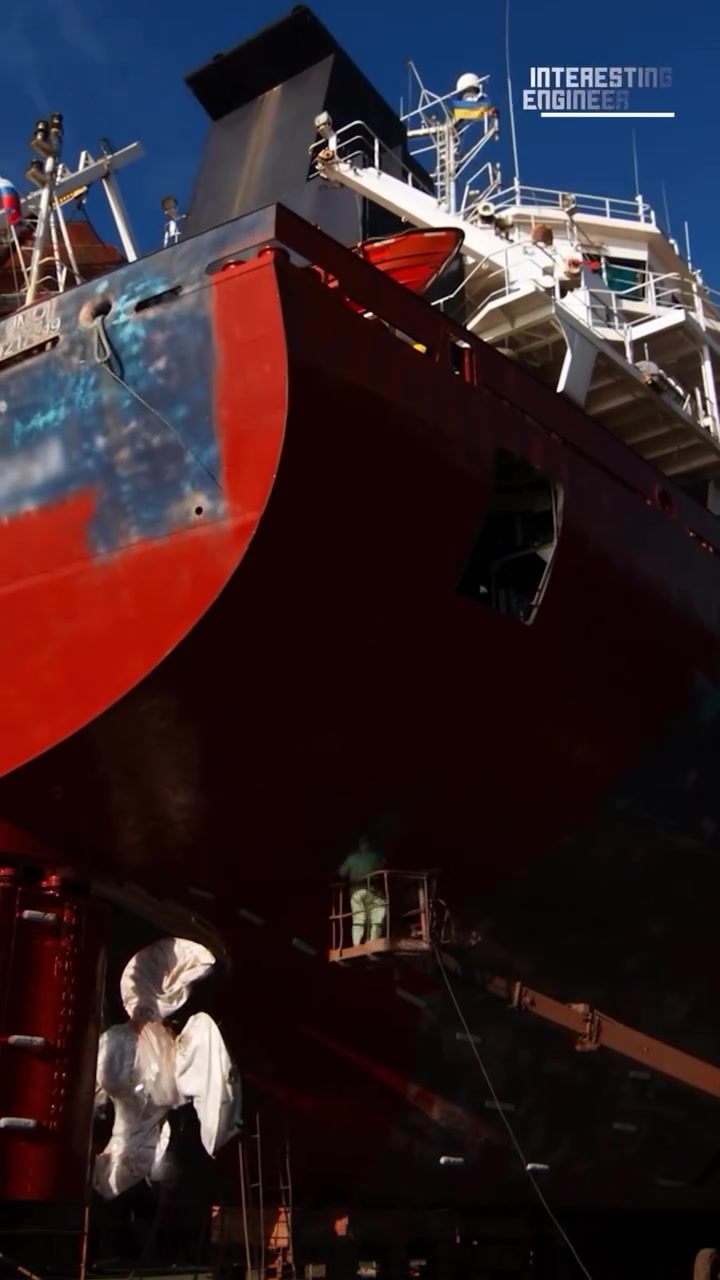
- Marine Industry: Protects ship hulls and other marine structures.
- Aerospace: Employed in aircraft coatings to withstand harsh environmental conditions.
- Electronics: Provides protective coatings for gadgets like smartphones.
- Wood Finishing: Ensures durability and aesthetic appeal in wood products.
Health and Safety Concerns
Despite its benefits, 2K polyurethane, specifically the isocyanate component, presents significant health risks. Isocyanates are known to cause negative respiratory reactions, including inflammation and severe asthma. Workers handling these chemicals must use full-body protective gear, including air-fed respiratory masks. The EU mandates REACH training for safe handling, highlighting the seriousness of the risks.
The Need for Alternatives
Given the health risks and strict regulations, there is a pressing need for safer alternatives. Enter Prynext, a high-performance alternative to 2K polyurethane developed by Cargill. This new chemical is made from an acetoacetate polymer based on Cargill Dimer technology, offering comparable adhesion and durability but without the downsides of isocyanates.
The Advantages of Prynext
Prynext stands out for several reasons:
- Safety: As an isocyanide alternative, it does not require the same level of protective gear or training as isocyanates.
- Energy Efficiency: It does not need to be stored at specific temperatures and cures at room temperature, eliminating the need to heat it to 60 degrees Celsius for adhesive and sealant applications.
- Moisture Sensitivity: Prynext has no moisture sensitivity, meaning it does not react with water and avoids foaming issues during use.
- Compatibility: It is compatible with various acrylates and case applications, making it more adaptable to different customer needs.
- Operational Flexibility: Prynext can operate at different temperatures and fine-tune its reactivity through the use of catalysts, making it a versatile option for various coating and adhesive needs.
Practical Tips for Using Prynext
When transitioning to Prynext, consider the following practical tips:
- Training: While Prynext is safer, ensure that workers are properly trained in its application and handling.
- Storage: Store Prynext at room temperature to maintain its effectiveness and safety.
- Application: Follow the manufacturer's guidelines for mixing and application to achieve the best results.
- Safety Gear: Although Prynext is safer, always use appropriate protective gear to ensure worker safety.
Important Takeaways
- Safety First: The health risks associated with isocyanates make safety a top priority when handling 2K polyurethane.
- Alternatives Exist: Prynext offers a safer, more manageable alternative to traditional 2K polyurethane.
- Versatility: Both 2K polyurethane and Prynext are versatile and can be used in a wide range of applications.
Conclusion
The shift from 2K polyurethane to Prynext marks a significant step forward in industrial coatings and adhesives. Prynext's safety, energy efficiency, and operational flexibility make it a promising alternative for various industries. As regulations and health concerns continue to evolve, Prynext could very well be the future of high-performance protective coatings.
Watch the Reel
Questions readers ask
What makes 2K polyurethane hazardous to use?
2K polyurethane contains isocyanates, which are known to cause respiratory issues, skin irritation, and even serious health problems with prolonged exposure. The mixing of isocyanates with polyurethane resin releases harmful fumes, posing significant risks to users, particularly in poorly ventilated areas.
How does Prynext differ from traditional 2K polyurethane?
Prynext is designed as a safer alternative to 2K polyurethane by eliminating the use of isocyanate-based hardeners. This makes Prynext a non-toxic, isocyanate-free coating, reducing the health risks associated with traditional 2K polyurethane coatings.
In which industries can Prynext be effectively used?
Prynext is versatile and can be used in various industries, including automotive for protective coatings on vehicles, electronics for safe and durable coatings, marine for hull coatings, and industrial applications where protective and safer coatings are necessary. Its non-toxic properties make it suitable for a wide range of applications.
What are the benefits of using Prynext compared to 2K polyurethane?
Prynext offers several benefits, including reduced health risks due to its non-toxic formulation, ease of use with no need for special mixing ratios, and compliance with stricter regulations regarding hazardous chemicals. Additionally, it maintains the durability and flexibility similar to traditional 2K polyurethane.
How does Prynext mitigate the health risks associated with 2K polyurethane?
Prynext mitigates health risks by eliminating isocyanate-based hardeners, which are the primary source of health hazards in 2K polyurethane. This reduction in harmful chemicals makes Prynext a safer option for workers, particularly in industries where exposure to 2K polyurethane is high, such as automotive, electronics, and marine sectors.
Can Prynext be used as a direct replacement for 2K polyurethane?
Yes, Prynext can be used as a direct replacement for 2K polyurethane in many applications. It offers similar performance in terms of durability and flexibility, while providing the added benefit of improved safety. However, it is always advisable to consult with a coating specialist to ensure compatibility with specific applications and surfaces.
What safety measures should be taken when using Prynext?
While Prynext is designed to be safer, it is still important to follow standard safety protocols when applying any coating. This includes wearing appropriate personal protective equipment, ensuring good ventilation, and adhering to the manufacturer's guidelines for application and disposal. Although Prynext is non-toxic, proper handling ensures the best results and workplace safety.
Related deep dives
Similar reads based on topic and creator.


Recent articles
Fresh deep dives from the latest Reels we unpacked.




Comments
Be the first to comment.