Proper Nutrition for Optimal Performance
Nourishing the body goes beyond merely consuming calories; it involves providing the right fuel. Proper nutrition is essential for enhancing various aspects of life, from physical performance to mental clarity. The key components of a well-fuelled body include protein for strength and recovery, healthy fats for energy and hormonal balance, and micronutrients for overall health.
Why This Matters
Nutrition plays a pivotal role in how the body functions. When you dial in proper nutrition, you can see improvements across multiple areas:
- Energy Levels: Properly fueling the body can boost energy levels, helping you tackle daily tasks with vigor.
- Recovery: Good nutrition aids in muscle recovery, reducing soreness, and improving performance over time.
- Mood: The right balance of nutrients can positively impact mood, helping you feel more balanced and focused.
- Skin Health: Micronutrients like vitamins and minerals contribute to healthier skin, giving you a radiant glow.
- Performance: Whether in the gym or at work, proper nutrition ensures that you perform at your best, consistently.
The Role of Protein
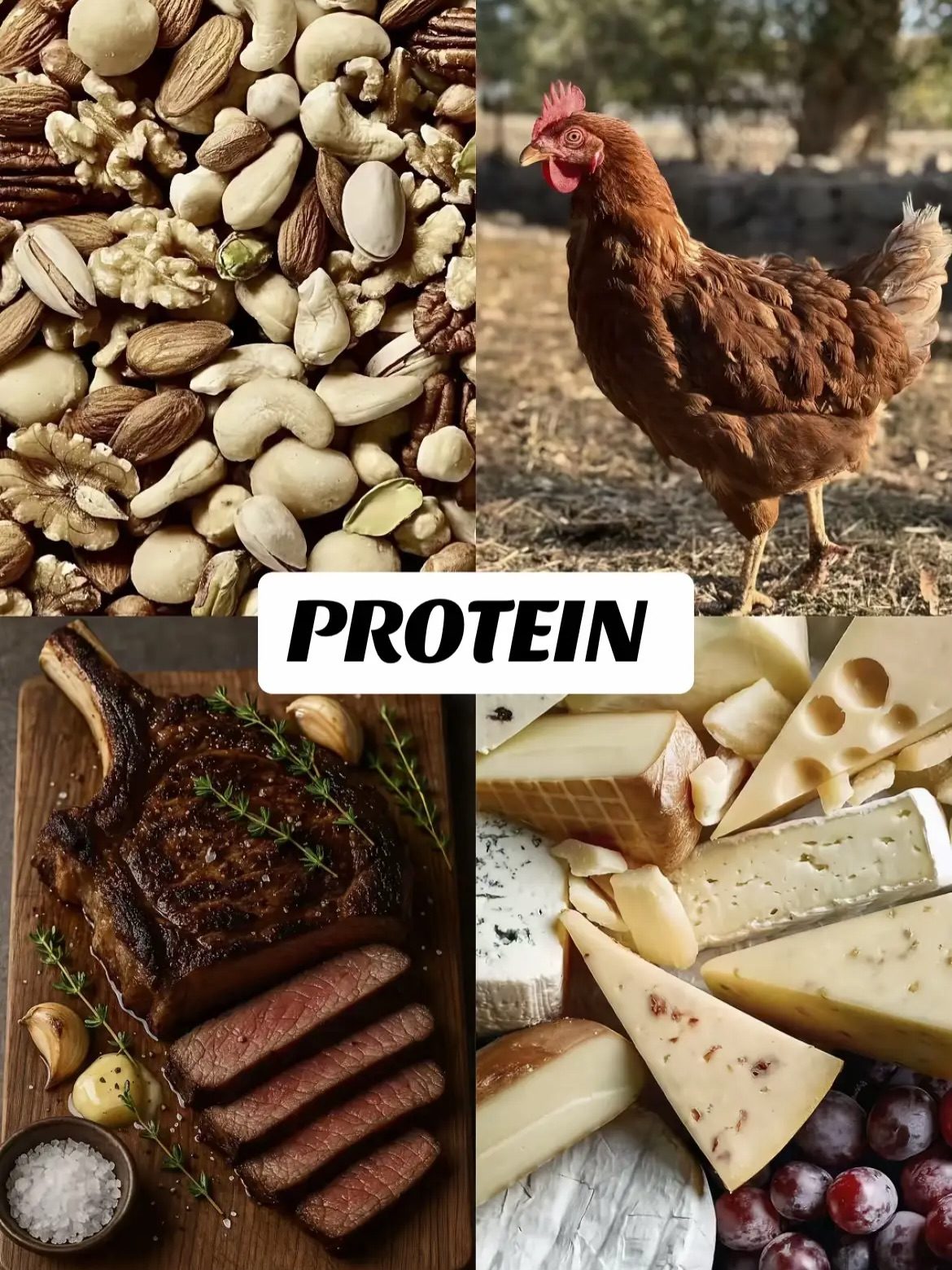
Protein is a cornerstone of a balanced diet, particularly for those looking to build strength and aid in recovery. Here are some key sources of protein:
Plant-Based Proteins
Nuts and seeds are excellent sources of plant-based protein. They are versatile and can be incorporated into various meals and snacks. Almonds, chia seeds, and pumpkin seeds are popular choices that offer a good amount of protein along with healthy fats and fiber.
Lean Proteins
Poultry, such as chicken, is a lean protein source that is easy to prepare and can be integrated into many dishes. Chicken is a versatile ingredient that can be grilled, baked, or stir-fried, making it a staple in many diets.
High-Quality Proteins
Meat and dairy products like steak and cheese provide high-quality protein. These foods are rich in essential amino acids that the body needs for muscle repair and growth. Incorporating these into your diet can help maintain and build muscle mass, especially for those engaged in regular physical activity.
Energy Boosters
For those looking for a quick energy boost, certain foods and drinks can provide the necessary lift. Dark chocolate, for instance, can offer a natural energy boost due to its cocoa content, which contains antioxidants and a small amount of caffeine. Honey, a natural sweetener, provides quick energy through its natural sugars. Coffee is another popular choice, thanks to its caffeine content, which can quickly enhance alertness and energy levels.
Foods for Recovery
Recovering effectively from workouts or physical exertion is crucial for maintaining progress and performance. Foods rich in protein and omega-3 fatty acids are particularly beneficial for recovery. Greek yogurt, for example, is a good source of protein and probiotics, aiding in muscle repair and digestion. Eggs, rich in essential amino acids, are another excellent choice for recovery. Salmon, packed with omega-3 fatty acids, helps reduce inflammation and supports overall health.
Spinach, loaded with vitamins and minerals, is a nutrient-dense food that complements recovery meals. Spinach can be easily added to salads, smoothies, or cooked dishes, providing a wide range of health benefits.
The Importance of Healthy Fats
Healthy fats play a vital role in maintaining hormonal balance and providing sustained energy. Foods rich in healthy fats include avocados, olive oil, and fatty fish. Incorporating these into your diet can support various bodily functions, from brain health to cardiovascular health.
Nutrient-Rich Foods for Overall Health
Micronutrients, including vitamins and minerals, are essential for maintaining overall health. Foods rich in micronutrients, such as fruits and vegetables, can significantly improve skin health, focus, and balance. Incorporating a variety of colorful fruits and vegetables into your diet ensures that you get a broad spectrum of these essential nutrients.
Practical Tips for Fueling Your Body
Fueling your body properly involves more than just what you eat; it's also about when and how you eat. Here are some practical tips to help you optimize your nutrition:
Plan Your Meals
Meal planning can help ensure that you are getting the right balance of nutrients throughout the day. Plan your meals in advance, focusing on incorporating a variety of nutrient-rich foods. This can help prevent impulsive, unhealthy food choices and ensure that you are consistently fueling your body with the right nutrients.
Stay Hydrated
Hydration is crucial for optimal performance. Make sure to drink plenty of water throughout the day, and consider incorporating other hydrating foods like watermelon, cucumbers, and leafy greens into your diet.
Monitor Your Intake
Tracking your nutrient intake can help you understand your body's specific needs. Use apps or journals to log what you eat and how you feel, allowing you to make necessary adjustments to optimize your diet.
Consistency is Key
Consistency in your eating habits is essential for seeing long-term benefits. Aim to incorporate healthy eating habits into your daily routine, making them a part of your lifestyle rather than a temporary diet.
Important Takeaways
Proper nutrition is essential for enhancing energy, aiding in recovery, improving mood, maintaining clear skin, and boosting performance. By focusing on nutrient-rich foods, including proteins, healthy fats, and micronutrient-dense foods, you can support your body's overall health and well-being.
Conclusion
Nourishing your body with the right fuel is crucial for optimizing performance and overall well-being. By understanding the importance of protein, energy boosters, and recovery foods, and incorporating them into your diet, you can enhance your energy levels, aid in recovery, and improve your mood and skin health. Make nutrition a priority, and you will see the benefits in all aspects of your life.
Watch the Reel
Questions readers ask
How does protein contribute to muscle recovery and strength?
Protein is essential for repairing and building muscle tissue, especially after physical activity. Consuming adequate protein helps reduce muscle soreness and promotes faster recovery, enabling you to maintain and even enhance your strength over time.
What role do healthy fats play in maintaining energy levels?
Healthy fats are a vital source of sustained energy. Unlike carbohydrates, which provide a quick energy burst, healthy fats are metabolized slowly, offering a steady supply of fuel throughout the day. They also support hormonal balance, which can influence energy levels and overall well-being.
Why are micronutrients important for overall health and performance?
Micronutrients, including vitamins and minerals, are crucial for various bodily functions. They support immune function, aid in energy production, and help maintain hormonal balance. A diet rich in micronutrients can enhance your ability to perform daily tasks and recover from physical exertion.
Can proper nutrition improve mental clarity and focus?
Yes, proper nutrition can significantly enhance mental clarity and focus. The brain requires a steady supply of nutrients to function optimally. Healthy fats, for instance, are crucial for brain health and cognitive function. A balanced diet ensures that the brain receives the necessary nutrients to support mental performance.
How soon after exercise should I consume protein to aid in recovery?
Consuming protein within 30-60 minutes after exercise is ideal for maximizing muscle recovery. This window is often referred to as the 'anabolic window,' during which your muscles are most receptive to absorbing protein for repair and growth. Pairing protein with carbohydrates can further enhance recovery by replenishing glycogen stores.
What are some good sources of healthy fats for sustained energy?
Healthy fats can be found in a variety of foods, including avocados, nuts, seeds, and fatty fish like salmon. These foods are rich in monounsaturated and polyunsaturated fats, which provide sustained energy and support overall health. Incorporating these foods into your diet can help maintain energy levels throughout the day.
How can a balanced diet improve physical performance?
A balanced diet ensures that your body has the necessary fuel to perform at its best. By providing a mix of protein for muscle strength, healthy fats for energy, and micronutrients for overall health, a balanced diet can enhance endurance, strength, and recovery, allowing you to push your physical limits and achieve your performance goals.
Recent articles
Fresh deep dives from the latest Reels we unpacked.




Comments
Be the first to comment.