Alzheimer's Disease Research
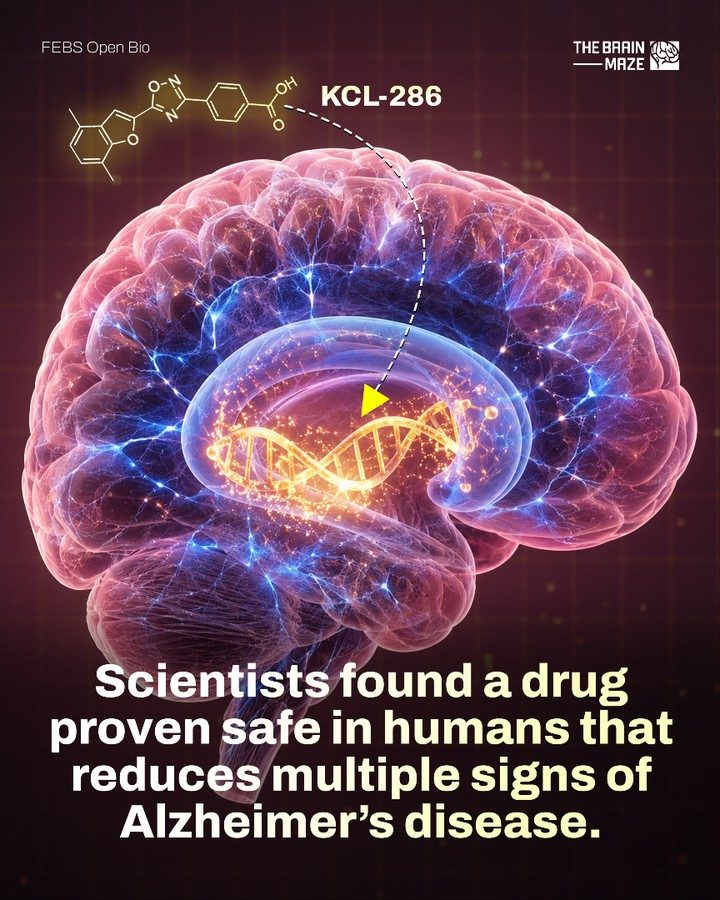
Alzheimer's disease is a progressive neurological disorder that affects millions of people worldwide. Recently, significant progress has been made in understanding the disease and developing potential treatments. One promising development is the discovery of a drug, KCL-286, which has shown potential in reducing several signs of Alzheimer's in mice. This drug, already proven safe in early human trials, offers new hope in the fight against this debilitating condition.
Why this Matters
Alzheimer's disease is characterized by the gradual deterioration of brain function, leading to memory loss, cognitive decline, and behavioral changes. Currently, there is no cure for Alzheimer's, and available treatments only manage symptoms. The discovery of KCL-286 is a significant step forward in the quest to find effective therapies. By addressing key aspects of the disease, such as DNA repair and brain inflammation, this drug could pave the way for more targeted and effective treatments in the future.
Main Discussion
Understanding Alzheimer's Disease
Alzheimer's disease is a complex condition involving multiple biological pathways. One of the key features is the accumulation of abnormal proteins in the brain, particularly amyloid plaques and tau tangles. These proteins interfere with normal brain function and contribute to the progressive neurodegeneration seen in Alzheimer's patients. Other factors, such as genetic mutations and inflammation, also play critical roles in the disease's development and progression.
DNA Repair and Alzheimer's
DNA repair mechanisms are essential for maintaining cellular integrity and function. In Alzheimer's disease, these mechanisms are often compromised, leading to the accumulation of DNA damage in brain cells. The drug KCL-286 has been shown to improve DNA repair processes, which could help protect brain cells from further damage and degeneration.
BRCA1 and Alzheimer's
BRCA1 is a gene known for its role in DNA repair and maintaining genomic stability. Mutations in BRCA1 are associated with an increased risk of certain cancers, but recent research has also linked BRCA1 to neurodegenerative diseases, including Alzheimer's. KCL-286 increases BRCA1 activity, which may enhance the brain's ability to repair DNA damage and counteract the effects of Alzheimer's disease.
Brain Inflammation and Alzheimer's
Inflammation in the brain is a common feature of Alzheimer's disease and contributes to the progression of neurodegeneration. Overactive microglia and astrocytes, the immune cells of the brain, can release inflammatory molecules that damage neurons and exacerbate the disease. KCL-286 has been shown to reduce brain inflammation by calming these overactive cells, potentially slowing the progression of Alzheimer's.
The Role of KCL-286
KCL-286 is a drug that has shown promising results in preclinical studies. In mice models of Alzheimer's disease, KCL-286 reduced several key signs of the condition, including improved DNA repair, increased BRCA1 activity, and reduced brain inflammation. These findings suggest that the drug could have similar effects in humans, offering a potential new treatment option for Alzheimer's patients.
Practical Tips
While KCL-286 shows promise, it is essential to remember that more research is needed before it can be used in clinical settings. For those affected by Alzheimer's disease, staying informed about the latest research and developments is crucial. Here are some practical tips for staying updated and involved:
- Join Support Groups: Engaging with support groups can provide valuable information, emotional support, and a sense of community.
- Attend Webinars and Conferences: Participating in educational events can help you stay informed about the latest research and treatments.
- Consult Healthcare Professionals: Regular consultations with healthcare providers can help you understand your condition, treatment options, and any new developments.
- Participate in Clinical Trials: If eligible, participating in clinical trials can provide access to new treatments and contribute to scientific research.
Important Takeaways
The discovery of KCL-286 highlights the potential for new treatments in Alzheimer's disease research. By addressing key aspects of the disease, such as DNA repair and brain inflammation, this drug offers hope for more effective therapies. However, it is essential to remember that more research is needed before KCL-286 can be used in clinical settings. Staying informed, engaging with the community, and consulting healthcare professionals can help individuals and families affected by Alzheimer's disease navigate this challenging journey.
Conclusion
Alzheimer's disease is a complex and devastating condition, but recent advancements in research offer new hope. The discovery of KCL-286, a drug that has shown promise in reducing several signs of Alzheimer's in mice, is a significant step forward. By improving DNA repair, increasing BRCA1 activity, and reducing brain inflammation, KCL-286 could pave the way for more targeted and effective treatments. As research continues, staying informed and engaged with the community can help individuals and families affected by Alzheimer's disease navigate this challenging journey with hope and resilience.
Watch the Reel
Questions readers ask
What makes KCL-286 a promising drug candidate for Alzheimer's treatment?
KCL-286 is considered promising because it targets two key aspects of Alzheimer's disease: DNA repair and brain inflammation. By addressing these factors, it has the potential to slow or even reverse the progress of the disease, unlike current treatments that only manage symptoms.
How does KCL-286 differ from existing Alzheimer's treatments?
Most current Alzheimer's treatments focus on symptom management, such as improving memory or reducing agitation. In contrast, KCL-286 aims to tackle the underlying causes of the disease by promoting DNA repair and reducing brain inflammation.
What stage of development is the KCL-286 drug in?
KCL-286 has shown potential in reducing signs of Alzheimer's in mouse trials. It has also proven safe in early human trials. The next steps typically involve further clinical trials to assess its efficacy and safety in humans before it can be considered for approval.
Why are mouse trials important in Alzheimer's drug development?
Mouse trials are crucial because they allow researchers to study the effects of a drug in a living organism, providing insights into its potential benefits and side effects. They also offer a way to test the drug's impact on brain function and behavior, which is difficult to do in a lab dish.
What does the safety of KCL-286 in early human trials mean for its development?
The safety of KCL-286 in early human trials is a significant milestone, as it means the drug can be safely administered to humans. This paves the way for further clinical trials to assess its efficacy in treating Alzheimer's disease and its potential use as a brain disease treatment.
What are the next steps in developing KCL-286 as an Alzheimer's drug?
The next steps involve conducting larger, more comprehensive clinical trials to evaluate the drug's efficacy and safety in humans. These trials will help determine the appropriate dosage, treatment duration, and potential side effects, and provide valuable data for regulatory review and approval.
Related deep dives
Similar reads based on topic and creator.




Recent articles
Fresh deep dives from the latest Reels we unpacked.




Comments
Be the first to comment.