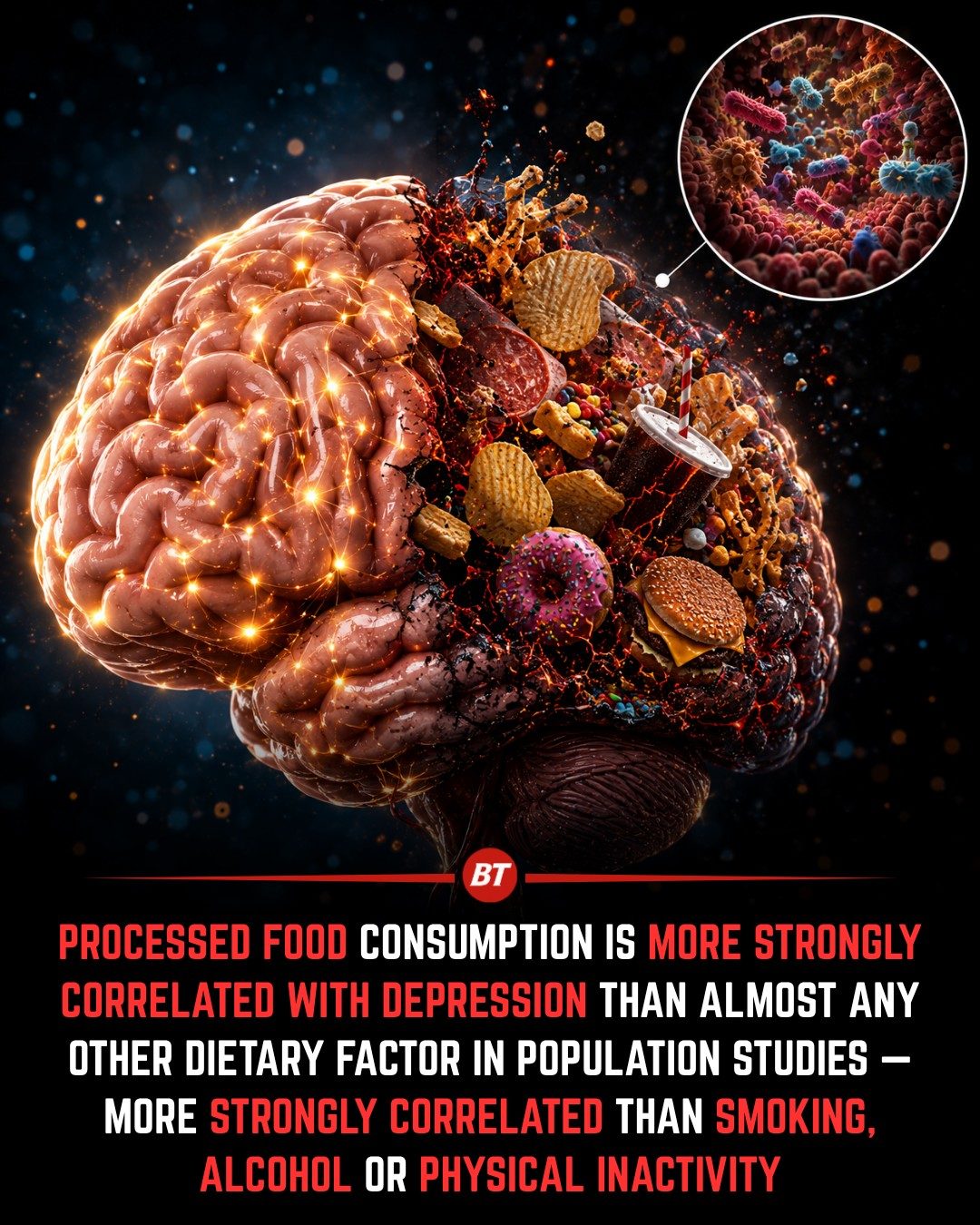
Ultra-Processed Foods and Depression: A Strong Correlation
A diet rich in ultra-processed foods is now recognized as one of the most significant dietary factors linked to depression. This link is stronger than associations with smoking, alcohol, or physical inactivity, as revealed by large population studies over the past decade. Ultra-processed foods, such as soft drinks, packaged snacks, candy, instant noodles, and many fast foods, are often high in refined sugars, unhealthy fats, and additives, while lacking fiber, vitamins, minerals, and beneficial plant compounds that support both brain and gut health. This article delves into the connection between ultra-processed foods and depression, examining the factors that drive this association, and offers practical tips for making healthier food choices.
Why This Matters
Understanding the connection between ultra-processed foods and depression is crucial for public health. Mental health disorders, including depression and anxiety, are prevalent worldwide, impacting millions of lives. Recognizing the role of diet in mental well-being can empower individuals to make informed choices and potentially reduce their risk of developing these conditions. Moreover, addressing this issue can help healthcare providers and policymakers develop targeted interventions and guidelines to promote better mental health.
The Connection Between Ultra-Processed Foods and Depression
Chronic Inflammation
Chronic low-grade inflammation is a key factor linking ultra-processed foods to depression. Diets high in these foods have been shown to increase inflammation markers in the body. Inflammation can affect the brain's neurotransmitter balance, leading to mood disorders like depression. Studies have demonstrated that reducing the intake of ultra-processed foods can lower inflammation levels, potentially improving mental health outcomes.
Gut Microbiome Diversity
The gut microbiome plays a vital role in maintaining overall health, including mental well-being. Ultra-processed foods, which are typically low in fiber, can negatively impact the diversity and composition of the gut microbiome. A healthy gut microbiome is essential for producing neurotransmitters like serotonin, which regulates mood. Disruptions in the gut microbiome can lead to imbalances in these neurotransmitters, contributing to depression and anxiety.
Blood Sugar Fluctuations
Ultra-processed foods are often high in refined sugars and unhealthy fats, which can cause rapid spikes and crashes in blood sugar levels. These fluctuations can affect brain function and mood, leading to irritability, fatigue, and even depressive symptoms. Maintaining stable blood sugar levels through a balanced diet can help mitigate these effects and support better mental health.
Oxidative Stress
Oxidative stress, caused by an imbalance between the production of free radicals and the body's ability to neutralize them, is another factor linking ultra-processed foods to depression. Diets high in these foods can increase oxidative stress, damaging cells and contributing to inflammation. Antioxidants found in whole foods can help combat oxidative stress, but these are often lacking in ultra-processed foods, further exacerbating the problem.
Practical Tips for Reducing Ultra-Processed Food Intake
Replacing ultra-processed foods with whole foods can significantly improve overall health and mental well-being. Here are some practical tips to help you make healthier choices:
Start Small
Instead of aiming for perfection, try replacing just one ultra-processed snack each day with a whole-food alternative. For example, swap a soda for a piece of fruit or a bag of chips for a handful of nuts. Small changes repeated consistently can have a meaningful impact over time.
Focus on Whole Foods
Whole foods, such as fruits, vegetables, whole grains, lean proteins, and healthy fats, are rich in essential nutrients that support both brain and gut health. Incorporating more whole foods into your diet can help reduce inflammation, improve gut microbiome diversity, and support stable blood sugar levels.
Plan Ahead
Meal planning and prepping can help you avoid the temptation of ultra-processed foods. Set aside time each week to plan and prepare healthy meals and snacks. This will save you time and make it easier to stick to your goals.
Read Labels
When shopping, pay close attention to food labels. Look for foods with short ingredient lists and avoid those with added sugars, unhealthy fats, and artificial additives. Opt for minimally processed foods whenever possible.
Important Takeaways
- Ultra-processed foods are strongly correlated with depression, anxiety, and poorer overall mental health.
- The connection is driven by several factors, including chronic inflammation, poor gut microbiome diversity, blood sugar fluctuations, and increased oxidative stress.
- Replacing ultra-processed foods with whole foods can help support better mental well-being.
- Small, consistent changes in diet can have a meaningful impact on mental health over time.
Conclusion
The link between ultra-processed foods and depression is a compelling reason to re-evaluate our eating habits. By understanding the factors that contribute to this association and making conscious efforts to reduce our intake of ultra-processed foods, we can take proactive steps towards improving our mental health. While diet is just one piece of the puzzle, it plays a crucial role in overall well-being. Embracing a diet rich in whole foods can help support better mental health and contribute to a happier, healthier life.
Watch the Reel
Questions readers ask
How do ultra-processed foods contribute to depression?
Ultra-processed foods contribute to depression through several pathways. Their high content of refined sugars and unhealthy fats can drive inflammation, which is linked to mood disorders. Additionally, these foods often lack essential nutrients that support brain and gut health, further exacerbating the risk of depression.
Which specific foods are considered ultra-processed and linked to depression?
Ultra-processed foods include items like soft drinks, packaged snacks, candy, instant noodles, and many fast foods. These foods are often high in refined sugars, unhealthy fats, and additives, while being low in fiber, vitamins, and minerals that are crucial for mental health.
Can reducing ultra-processed foods improve mental health?
Yes, reducing the intake of ultra-processed foods can have a positive impact on mental health. By replacing these foods with whole, nutrient-dense options, you can support both brain and gut health, thereby lowering the risk of depression and improving overall mood.
How does inflammation from ultra-processed foods affect mental health?
Chronic inflammation from consuming ultra-processed foods can disrupt the normal functioning of the brain, leading to mood disorders like depression. This inflammation is often triggered by the high content of refined sugars and unhealthy fats in these foods.
What role does gut health play in the link between ultra-processed foods and depression?
Ultra-processed foods can disrupt gut health by altering the balance of beneficial bacteria and increasing inflammation. A healthy gut is essential for producing neurotransmitters that regulate mood, so any disruption can increase the risk of depression.
Are there specific studies linking ultra-processed foods to depression?
Yes, numerous large population studies over the past decade have identified a strong correlation between high consumption of ultra-processed foods and increased risk of depression. These studies have shown that the link is stronger than associations with other factors like smoking, alcohol, or physical inactivity.
Related deep dives
Similar reads based on topic and creator.




Recent articles
Fresh deep dives from the latest Reels we unpacked.




Comments
Be the first to comment.