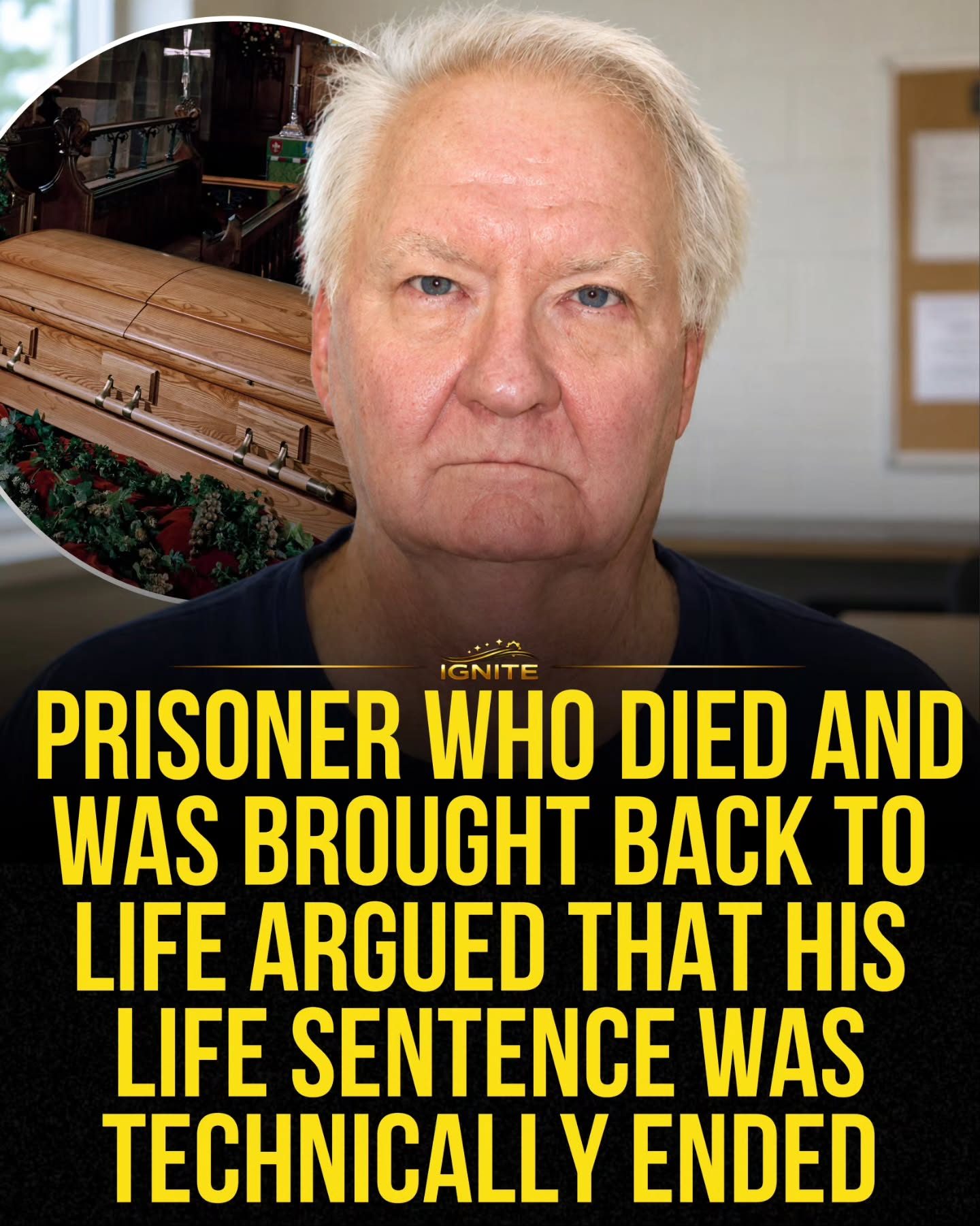
The Unusual Legal Argument of a Prisoner Declared Dead
A prisoner who was declared dead and subsequently revived has raised a unique legal argument, claiming that his life sentence had technically ended. This extraordinary case has sparked conversations about the intricacies of the legal system and the ethical implications of such a situation.
Why This Matters
The case of a prisoner who was declared dead and then revived is more than just a peculiar legal story. It delves into fundamental questions about the nature of legal sentencing, the definition of life and death, and the ethical considerations that arise from such extraordinary circumstances. Understanding this case can provide insights into how the legal system handles exceptional scenarios and the potential implications for future cases.
Main Discussion
The Extraordinary Circumstances
The narrative begins with the prisoner being declared dead. This declaration is a critical legal and medical milestone, often marking the end of an individual's legal and social obligations. However, this prisoner was revived, bringing him back to life in a way that challenges the traditional understanding of legal sentencing. The legal system, which operates on well-defined principles and precedents, must now grapple with the question of whether a life sentence can be technically terminated by death, even if the individual is later revived.
Legal Implications
The revival of the prisoner introduces a complex legal question: does the revival of an individual who was declared dead and subsequently sentenced to life imprisonment mean that the sentence has been effectively completed? This question touches on the concept of legal continuity and the notion that a life sentence is intended to last until the natural end of the prisoner's life. The argument that the life sentence was technically ended by death raises questions about the interpretation of legal statutes and the application of the law in extraordinary circumstances. The potential impact on legal precedents and future cases is significant, as it could set a precedent for how similar situations are handled in the future.
Ethical Considerations
Beyond the legal implications, the case brings up ethical considerations. Reviving a prisoner who was declared dead involves medical and ethical questions about the definition of death and the limits of medical technology. The ethical debate extends to the moral and legal obligations of the medical and legal systems to handle such cases. It also raises questions about the treatment of individuals who are revived after being declared dead, especially in the context of their legal status and rights. The argument that the life sentence was technically ended further complicates these ethical considerations, as it involves balancing the rights of the individual with the responsibilities of the legal system.
The Argument in Detail
The prisoner's argument hinges on the technicality that a life sentence is intended to last for the duration of the individual's natural life. By being declared dead and subsequently revived, the prisoner contends that his life sentence was effectively completed at the time of his death. This argument rests on the interpretation of legal statutes that define the end of a life sentence as the natural death of the individual. The prisoner's revival, therefore, creates a unique scenario where the legal system must determine whether the sentence can be reinstated or if it has been technically fulfilled.
Practical Tips
While the case is unique, it offers several practical tips for understanding legal and ethical issues in extraordinary circumstances:
-
Understand Legal Statutes: Familiarize yourself with the legal statutes that define the end of a life sentence. This knowledge can help in understanding how such cases are handled and the potential for similar arguments in the future.
-
Ethical Considerations: Recognize the ethical considerations involved in medical and legal decisions. These considerations are crucial in handling unique cases and ensuring that the rights and responsibilities of all parties are respected.
-
Seek Expert Opinions: Consult with legal and medical experts to gain a deeper understanding of the complexities involved in such cases. Their insights can provide valuable perspectives on the legal and ethical implications.
-
Stay Informed: Keep up-to-date with legal precedent setting cases. The outcomes of these cases can have a significant impact on legal and ethical standards in the future.
Important Takeaways
The case of the prisoner who was declared dead and revived highlights several important takeaways:
- The legal system must grapple with the complexities of handling extraordinary circumstances.
- The interpretation of legal statutes and the application of the law in such cases can have far-reaching implications.
- Ethical considerations are crucial in medical and legal decisions involving unique situations.
- Understanding the legal and ethical issues involved in such cases can provide valuable insights into the nuances of the legal system and the responsibilities of medical and legal professionals.
Conclusion
The unique legal argument made by a prisoner who was declared dead and revived raises critical questions about the interpretation of legal statutes, the ethical considerations involved, and the potential implications for future cases. As the legal system navigates this extraordinary situation, it highlights the need for a nuanced understanding of legal and ethical issues in handling such cases. This case serves as a reminder of the complexities and challenges that can arise in the legal system, and the importance of balancing legal and ethical considerations in extraordinary circumstances.
Watch the Reel
Questions readers ask
If a prisoner is declared dead, does their sentence automatically end?
Not necessarily. While the prisoner's case has raised questions about whether a life sentence ends upon death, this is a complex legal issue. Many jurisdictions have specific laws addressing what happens to a sentence upon a prisoners death, and a revival adds further complexity. The prisoner's legal argument is unique and has not yet been definitively settled.
What happens legally when a prisoner is revived after being declared dead?
The legal implications of a prisoner being revived are not clearly defined in many legal systems. This case is stirring debate about how to handle such extraordinary circumstances. The outcome may depend on the jurisdiction. If any, and the specific interpretations of laws related to sentencing and revival.
Can a life sentence be reinstated after a prisoner is revived?
This is one of the key questions in the debate surrounding the revived prisoner's legal battle. Some argue that a life sentence should resume, while others contend that the sentence ended upon death. The answer may depend on how the legal system interprets the interruption of the sentence by death and subsequent revival.
What ethical considerations arise from this unique legal case?
This case brings up numerous ethical debates in law, including whether it is fair to reinstate a life sentence after revival, and how the legal system should balance the interests of justice with the practical implications of death and revival. It also raises questions about the definition of life and death in legal contexts.
How might this case influence future legal sentencing policies?
The outcome of this case could potentially influence future policies on legal sentencing after death. If the court rules in favor of the prisoner, it could set a precedent for how death and revival impact sentencing. Conversely, if the court rules against the prisoner, it could affirm that death does not terminate a life sentence, regardless of revival.
What role do medical professionals play in such extraordinary legal cases?
Medical professionals are crucial in determining the exact cause of death and the circumstances of revival. Their reports and testimony can significantly impact the legal arguments and decisions related to the prisoner's life sentence. Accurate medical records and expert opinions are vital in understanding the implications of death and revival in this context.
Recent articles
Fresh deep dives from the latest Reels we unpacked.




Comments
Be the first to comment.