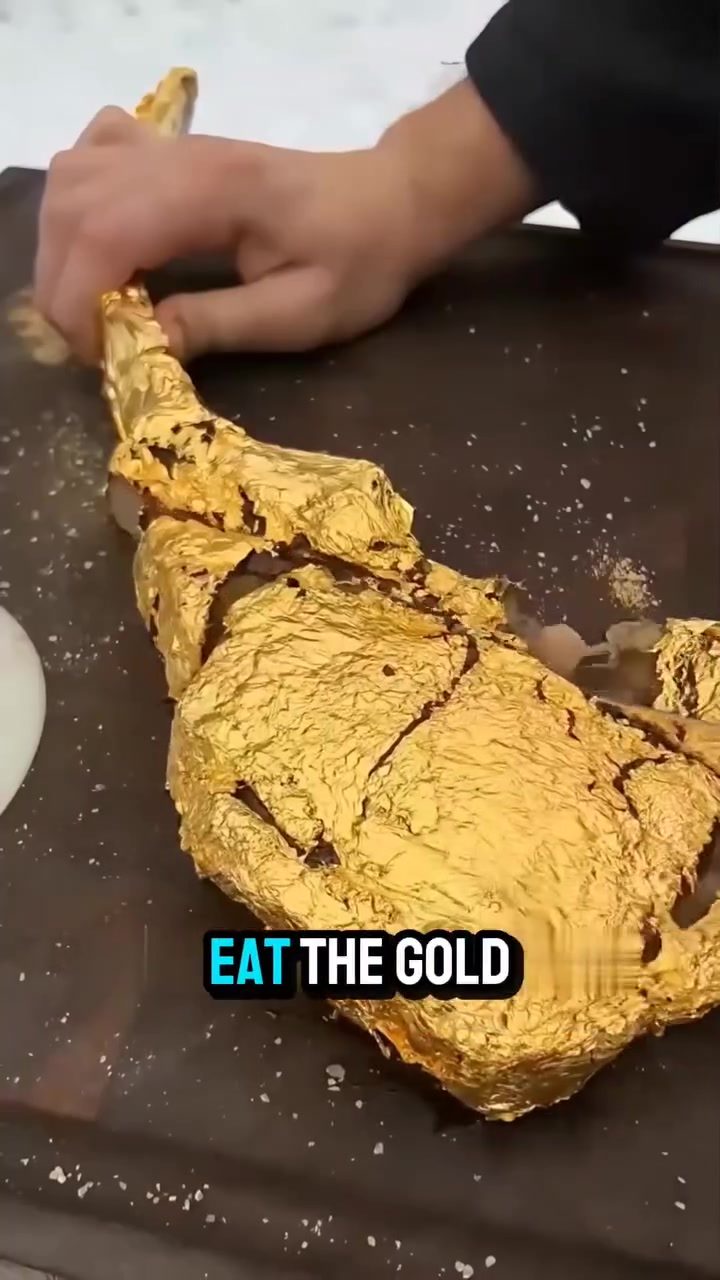
Gold-Plated Food
Applying gold leaf to food has become a symbol of luxury and extravagance, with gold-plated dishes appearing in high-end restaurants and social media feeds. But what does it mean to put gold on food, and why has this practice become so popular? Dive into the world of gold-plated cuisine to uncover the facts about its safety, purpose, and cultural significance.
Why This Matters
Gold-plated food is more than just a gimmick; it's a statement. In a world where visual appeal and social media presence are crucial, gold-plated dishes stand out. They can make a meal look expensive and impressive, even if the actual amount of gold used is minuscule. Understanding the reasons behind this trend can provide insight into the broader food culture and the role of aesthetics in dining experiences.
The Nature of Gold Leaf
Food-Grade vs. Industrial-Grade Gold
When it comes to gold-plated food, not all gold is created equal. Food-grade gold is specifically designed for culinary use and is safe to consume. In contrast, industrial-grade gold may contain impurities like lead or copper, which can be harmful.
Gold is an inert metal, meaning it does not react with other substances. This makes it safe to consume in small amounts. Food-grade gold leaf can be applied to a variety of foods, from steaks and tomatoes to pastries. The gold leaf is so thin that it can sometimes be measured in micrometers, making the actual amount of gold used surprisingly small. Despite this, adding gold leaf can significantly increase the perceived value and cost of a dish, sometimes by dozens or even hundreds of times. This is because gold-plated food is primarily about appearance rather than taste or nutritional value.
Purposes of Gold-Plated Food
Aesthetics and Luxury
Gold leaf is often used on food to create a luxurious and visually appealing presentation. Gold-covered steaks, ice cream, and other dishes are designed to impress and convey a sense of opulence. The thinness of the gold leaf means that the appearance of luxury is achieved with very little actual gold, making it a cost-effective way to enhance the visual appeal of a dish.
Cultural Significance
In some cultures, adding gold to food is a long-standing tradition. However, it's important to note that in China, the practice of adding gold leaf to food is officially prohibited. This highlights the varying attitudes towards gold-plated food across different regions and cultures.
Practical Tips
If you're considering using gold leaf in your cooking, here are some practical tips to keep in mind:
Choosing the Right Gold
Ensure that you are using food-grade gold leaf, which is safe for consumption and free from harmful impurities. Industrial-grade gold leaf should be avoided as it may contain heavy metals like lead or copper.
Application Techniques
Applying gold leaf to food requires a gentle touch. Here are a few techniques to consider:
- Direct Application: Carefully place the gold leaf directly onto the food surface. This works well for smooth surfaces like pastry or chocolate.
- Gold Leaf Spray: For a more even coating, consider using a gold leaf spray. This method is particularly useful for delicate surfaces like fruits or pastries.
- Gold Leaf Paste: Mix the gold leaf with a small amount of edible glue or paste and apply it to the food. This technique ensures that the gold leaf adheres well to the surface.
Important Takeaways
Safety First
Always use food-grade gold leaf to ensure safety. Avoid industrial-grade gold, which can contain harmful impurities.
Visual Appeal
Gold-plated food is primarily about aesthetics. The small amount of gold used can significantly enhance the visual appeal and perceived value of a dish.
Cultural Considerations
Be aware of cultural attitudes towards gold-plated food. In some regions, like China, the practice is officially prohibited.
Practical Considerations
Gold leaf is extremely thin and can be easily damaged. Handle it with care and use appropriate application techniques to ensure a polished finish.
Conclusion
Gold-plated food is a fascinating intersection of culinary art and visual luxury. While it may not offer significant nutritional value or taste, it can transform a simple dish into a work of art. By understanding the nature of gold leaf, its applications, and cultural significance, you can appreciate the appeal of gold-plated cuisine and perhaps even incorporate it into your own culinary adventures.
Watch the Reel
Questions readers ask
Is gold-plated food safe to consume?
Yes, gold-plated food is safe to consume. Gold is a non-toxic metal, and when applied to food, it is used in very small amounts. It doesn't change the taste of the food and passes through the digestive system without being absorbed. However, some people might find the idea of consuming gold unappealing.
How is gold leaf applied to food?
Gold leaf is applied to food using a technique that involves carefully placing thin sheets of gold onto the surface of the dish. This process requires skill and precision to ensure an even and visually appealing application. The gold leaf is typically applied just before serving to maintain its luster and presentation.
Why do restaurants use gold-plated food?
Restaurants, particularly high-end ones, use gold-plated food to enhance the visual appeal of their dishes. Gold leaf adds a touch of opulence and luxury, making the dining experience more memorable. It also serves as a marketing tool, attracting customers who value unique and Instagram-worthy dining experiences.
Does gold-plated food taste different?
No, gold-plated food does not taste different from its non-gold-plated counterpart. Gold is flavorless and odorless, so it does not alter the taste of the food. The primary purpose of gold leaf in food is for aesthetic enhancement rather than adding any culinary benefits.
What are some popular gold-plated dishes?
Some popular gold-plated dishes include gold leaf steaks, gold-plated pastries, and gold-dusted desserts. These items are often featured in high-end restaurants and at special events. Gold leaf can be applied to a variety of foods, but it is most commonly used on items that are already considered luxurious or decadent.
Is gold-plated food a waste of money?
Whether gold-plated food is a waste of money depends on personal perspective. While the actual amount of gold used is small, the cost of preparing such dishes is often higher due to the skill and materials involved. Some view it as a worthwhile investment for a unique and luxurious dining experience, while others see it as excessive and unnecessary.
Related deep dives
Similar reads based on topic and creator.




Recent articles
Fresh deep dives from the latest Reels we unpacked.




Comments
Be the first to comment.