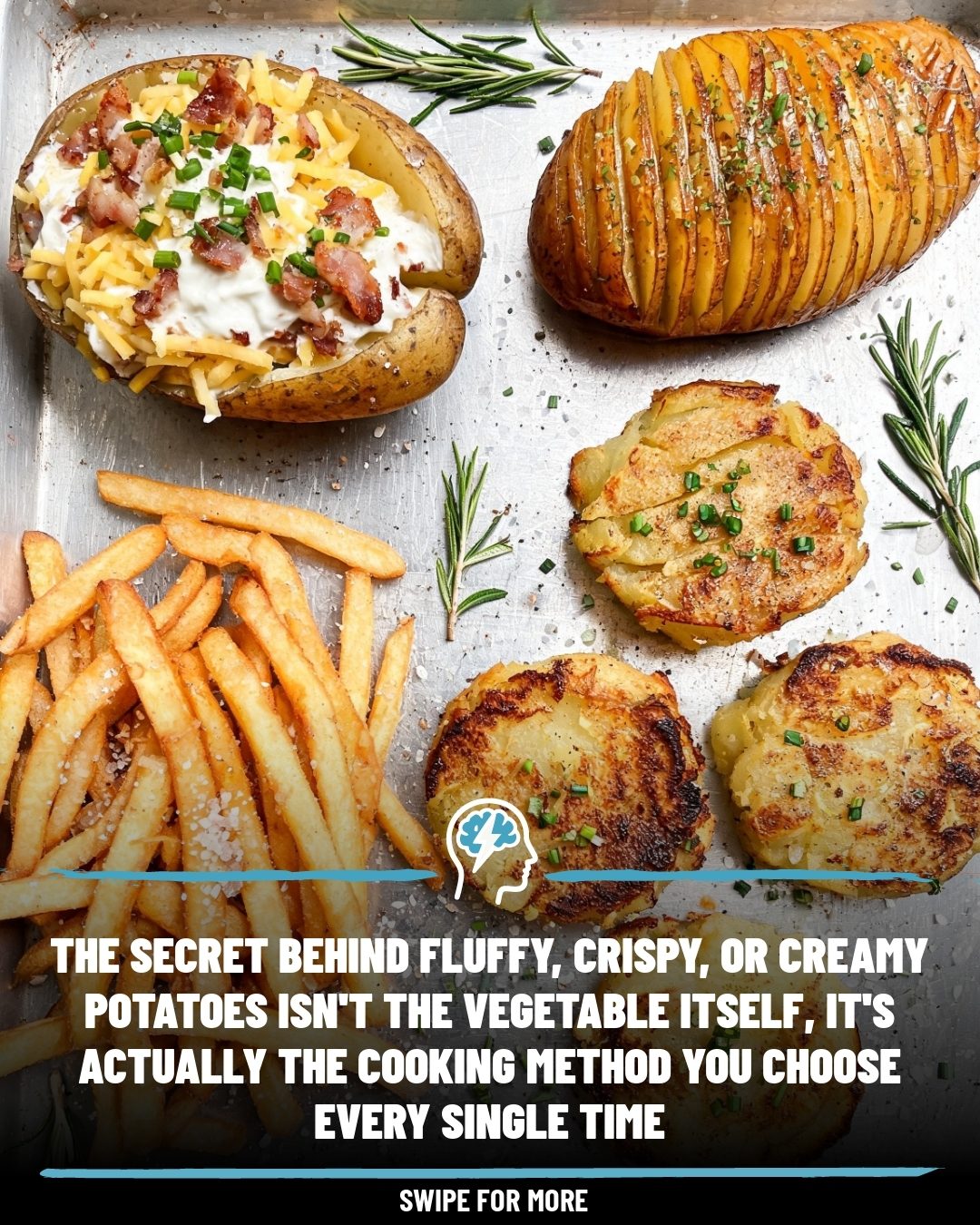
Potatoes: The Versatility of a Humble Vegetable
Potatoes are a staple in kitchens around the world, beloved for their versatility and adaptability to various cooking methods. Whether you prefer them baked, mashed, fried, or roasted, the key to achieving different textures lies in the cooking method rather than the potato variety itself. Understanding the science behind potato cooking can help you elevate your dishes and achieve the perfect texture every time.
Why This Matters
Mastering the art of potato cooking involves understanding the role of starch and cell structure. Potatoes contain two types of starch: amylopectin and amylose. The proportion of these starches varies depending on the variety, affecting how the potatoes behave during cooking. By selecting the right potatoes and using the appropriate cooking method, you can create a wide range of textures, from light and fluffy to firm and waxy.
Main Discussion
Starchy vs. Waxy Potatoes
Starchy Potatoes
Starchy potatoes, such as Russets, are high in amylopectin starch. This type of starch swells and pulls apart as it cooks, resulting in a light and fluffy texture. Starchy potatoes are ideal for:
- Baked potatoes: They soak up butter, sour cream, and other toppings beautifully.
- Whipped mashed potatoes: The fluffy texture is perfect for whipped mashed potatoes.
- Twice-baked potatoes: Stuffed with cheese or other fillings, these potatoes are a delightful side dish.
Waxy Potatoes
Waxy potatoes, like Red Bliss and Fingerlings, have a higher moisture content and less starch. Their cells stick together even after prolonged cooking, making them perfect for dishes where you want the potatoes to hold their shape. Waxy potatoes are great for:
- Roasting: They develop a crispy outside while remaining creamy inside.
- Boiling for potato salad: The firm texture holds up well in salads and other dishes.
The Crunch Factor
Achieving a crispy shell with a soft center is a common goal in potato cooking, especially when frying or high-heat roasting. The key to this crispy exterior lies in the breakdown of surface starch, which opens up more area for the Maillard reaction. This reaction is responsible for the browning and flavor development in cooked foods. Here are some techniques to enhance the crunch factor:
-
Double frying: This method involves frying the potatoes twice. The first fry cooks the potatoes through, while the second fry pulls out extra moisture, creating a crust that holds up well.
-
Shredding: Shredding potatoes for hash browns or tots increases the surface area, leading to more crispy edges.
-
Smashing: Pre-boiling potatoes and then smashing them before roasting creates jagged, caramelized edges that are both crispy and flavorful.
Cooking Methods
Mashed Potatoes
Mashed potatoes rely on starch and fat for their creamy texture. Starchy potatoes are the best choice for mashed potatoes, as their high starch content breaks down easily during cooking. Fat, such as butter or cream, helps to emulsify the starch, creating a smooth and velvety texture. Popular variations include:
- Classic mash: A simple combination of potatoes, butter, milk, and seasonings.
- Garlic mash: Infused with garlic for an added kick of flavor.
- Cheesy mash: Mixed with shredded cheese for a rich and indulgent dish.
- Colcannon: A traditional Irish dish made with mashed potatoes, kale or cabbage, and often bacon or leeks.
Fried Potatoes
Frying turns potatoes into crispy, golden treats. Whether you're making French fries, potato wedges, or hash browns, the frying process creates a contrast between the crispy exterior and the soft, tender interior. To achieve the perfect crisp, it's essential to:
- Dry the potatoes: Remove as much moisture as possible before frying to ensure a crispy exterior.
- Use the right oil: Choose an oil with a high smoke point, such as vegetable or canola oil, for frying.
- Maintain the right temperature: Frying at the correct temperature ensures even cooking and a crispy exterior.
Roasted Potatoes
Roasting potatoes brings out their natural sweetness and creates a crispy skin. To achieve the best results, consider the following tips:
- Cut the potatoes evenly: Uniformly sized pieces will cook evenly.
- Toss in oil and seasonings: Coat the potatoes in oil, salt, and your choice of seasonings for added flavor.
- Roast at high heat: High heat promotes browning and caramelization, enhancing the flavor and texture.
Practical Tips
- Choose the right potato: Match the potato variety to the cooking method for the best results.
- Experiment with seasonings: Don't be afraid to add herbs, spices, and other flavorings to your potatoes.
- Practice makes perfect: Achieving the perfect texture takes time and practice, so keep experimenting and refining your techniques.
Important Takeaways
- The cooking method is more important than the potato variety for achieving different textures.
- Starchy potatoes are ideal for baked, mashed, and twice-baked potatoes.
- Waxy potatoes are perfect for roasting, boiling, and potato salad.
- Achieving a crispy exterior involves breaking down surface starch and promoting the Maillard reaction.
- Different cooking methods, such as frying, roasting, and mashing, highlight the same ingredient in unique ways.
Conclusion
Potatoes are a versatile and delicious ingredient that can be transformed through various cooking methods. By understanding the role of starch and cell structure, as well as the techniques for achieving different textures, you can create a wide range of potato dishes that showcase their unique qualities. Whether you prefer them crispy, fluffy, or creamy, mastering the art of potato cooking will enhance your culinary skills and delight your taste buds.
Watch the Reel
Questions readers ask
What are the best potatoes for achieving a crispy texture, like in potato fries or hash browns?
For crispy textures, starchy potatoes such as Russet Burbank or Yukon Gold are ideal. These varieties have a high starch content, which helps to create a fluffy interior and a crispy exterior when fried or roasted.
How can I make perfect mashed potatoes every time?
To achieve creamy, smooth mashed potatoes, use a starchy potato like Russet. Boil them until tender, then mash with butter, milk, and salt. For extra creaminess, consider using a potato ricer or food mill to break down the cells.
What is the best way to cook potatoes for a waxy, firm texture, like in salads or sautés?
For waxy potato recipes, choose potatoes with lower starch content, such as Red Bliss or fingerlings. Boil or steam them until just tender to maintain a firm texture, then cool before using in salads or sautés to prevent them from becoming mushy.
Can you explain the difference between boiling and roasting potatoes, and when to use each method?
Boiling potatoes, such as in a potato salad, results in a soft, waxy texture, perfect for salads, boiling them until tender to the bite. Roasting gives potatoes a crispy exterior and a fluffy interior, ideal for baked potato recipes. To roast, cut potatoes into even pieces, toss in oil, and bake at high heat until golden.
What are some tips for achieving perfectly fried potatoes, such as in French fries?
To achieve perfectly fried potatoes, start by soaking cut potatoes in cold water to remove surface starch, then pat dry thoroughly. Use a high smoking point oil, such as peanut or canola, and heat it to the correct temperature (325°F for frying, then 375°F for finishing) to ensure a golden, crispy exterior and a fluffy interior.
How can I use potato cooking techniques to create a variety of textures in a single dish, like a loaded baked potato?
For a loaded baked potato, start by baking the potato whole until tender. Then, create a variety of textures by mashing some of the flesh for creaminess, leaving some chunks for a firmer bite. Top with crispy bacon and melted cheese to add additional textures and flavors.
What is the science behind achieving different textures in potato cooking?
The key to different textures in potato cooking lies in the starch composition and cell structure. Starchy potatoes, like Russets, have a higher amylopectin content, which breaks down during cooking to create a fluffy, soft texture. Waxy potatoes, like fingerlings, have more amylose, which holds the cells together for a firmer bite.
Related deep dives
Similar reads based on topic and creator.



Recent articles
Fresh deep dives from the latest Reels we unpacked.




Comments
Be the first to comment.