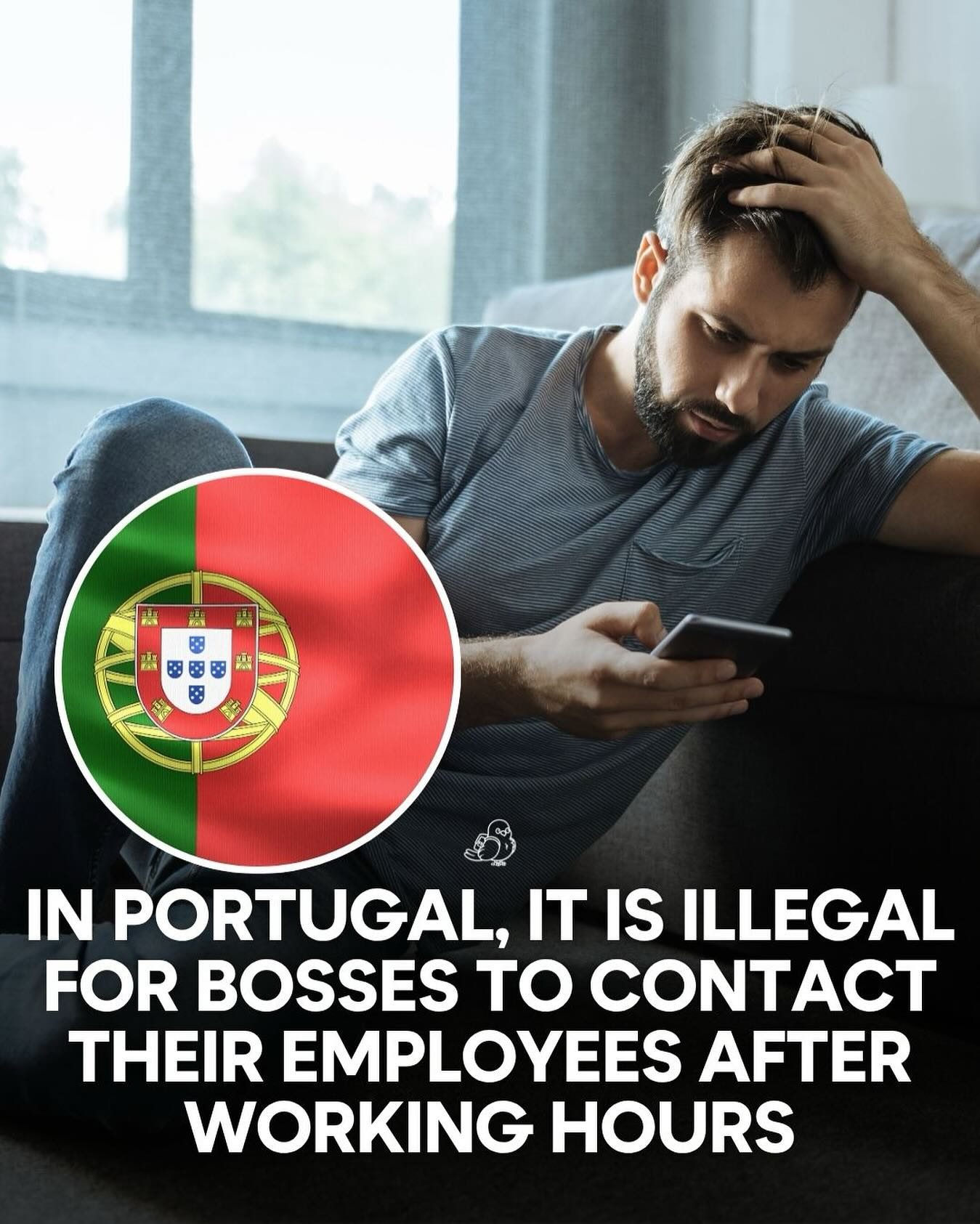
Inexplicable to many, and highly valued by some, Portugal's labor laws protect employees from after-hours work contact. This regulation is a critical component of Portugal's labor reforms, ensuring a healthy work-life balance. Under this law, employers are prohibited from contacting their employees after work hours through any means, including phone calls, emails, and messages.
Context / Why this matters
The importance of this law extends beyond mere legal boundaries. It reflects a profound shift in societal values, placing a high premium on personal time, mental well-being, and overall quality of life. This change is not just about preventing burnout. It is about fostering an environment where employees can truly disconnect, recharge, and return to work with renewed energy and focus.
Portugal is at the forefront of a broader movement in Europe that encourages companies to respect employees' private time. This trend is gaining traction as more countries recognize the benefits of a balanced lifestyle. By enforcing this law, Portugal aims to promote not only the well-being of its citizens but also their productivity and happiness.
Main discussion
The origins and evolution of the law
The origins of this labor law can be traced back to a series of labor reforms introduced in Portugal. These reforms were designed to address the growing concerns over work-life balance and the increasing pressure on employees to be constantly available. The law specifically targets the issue of after-hours work contact, which has become increasingly prevalent with the rise of digital communication tools.
How the law works
The law is straightforward: once an employee's workday ends, their personal time becomes off-limits for work-related communication. This rule applies to all forms of contact, including phone calls, emails, and messages. Employers are strictly prohibited from reaching out to their employees during this time, ensuring a clear boundary between work and personal life.
Exceptions and limitations
While the law is clear, there are certain exceptions and limitations that employers and employees should be aware of. For example, in cases of emergency or urgent matters, employers may contact their employees. However, these instances are rare and must be justified. Additionally, the law does not apply to salaried workers who are paid for their availability outside of regular working hours.
Enforcement and consequences
Enforcement of this law is taken seriously in Portugal. Employers found violating the regulation may face legal consequences, including fines and other penalties. This strict enforcement underscores the country's commitment to upholding the rights of its workers and promoting a healthy work-life balance.
The impact on productivity and well-being
The positive impact of this law on employee well-being and productivity is undeniable. By ensuring that employees can truly disconnect from work after hours, the law helps to reduce stress and burnout. This, in turn, leads to happier, more productive workers who are better equipped to handle their responsibilities during working hours. Additionally, the law encourages a healthier work environment, where employees feel valued and respected.
Practical tips
For employees
To make the most of this law, employees should:
Establish clear communication boundaries with their employers, outlining when they are available for work-related matters. Make use of out-of-office notifications and do-not-disturb modes to avoid unnecessary interruptions. Prioritize self-care and personal time, using this period to recharge and engage in activities that promote well-being.
For employers
Employers should:
Ensure that all employees are aware of their rights under this law and the consequences of violating these rights. Respect the boundaries set by the law, avoiding contact with employees after hours except in cases of emergency. Encourage a culture of work-life balance within the organization, promoting the well-being and happiness of employees.
Important takeaways
- Portugal's labor law prohibiting after-hours work contact is a significant step towards promoting work-life balance.
- This law reflects a broader movement in Europe encouraging companies to respect employees' private time.
- The benefits of this law extend beyond preventing burnout, fostering a healthier work environment, and promoting productivity and well-being.
- Both employees and employers play a crucial role in upholding this law, ensuring a healthy work-life balance for all.
Conclusion
Portugal's approach to protecting employees from after-hours work contact is a testament to the country's commitment to a healthy work-life balance. By enforcing this law, Portugal is not only promoting the well-being of its citizens but also fostering a more productive and happier workforce. This regulation serves as a model for other countries, highlighting the importance of respecting employees' private time and the benefits of a balanced lifestyle. As more countries begin to recognize the value of such measures, we can expect to see a broader shift in labor practices, prioritizing the well-being of workers and promoting a healthier, more productive work environment.
Watch the Reel
Questions readers ask
What are the specific hours during which employers in Portugal are not allowed to contact their employees?
In Portugal, employers are prohibited from contacting their employees after their workday ends. This includes all forms of communication, such as phone calls, emails, and messages. The exact hours may vary depending on the employee's schedule, but the key aspect is that no work-related contact is permitted outside of agreed working hours.
What is the purpose of Portugal's labor law regarding after-hours work contact?
The primary goal of Portugal's labor law prohibiting after-hours work contact is to promote a healthy work-life balance. By enforcing clear boundaries between professional and personal time, the law aims to prevent burnout, reduce stress, and enhance mental well-being among employees.
Are there any exceptions to the after-hours work contact ban in Portugal?
The law is quite strict and does not generally allow for exceptions. Employers are expected to respect the agreed working hours and refrain from contacting employees outside of these times. This rule applies to all forms of communication, ensuring that employees have uninterrupted personal time.
How does this law benefit both employees and employers in Portugal?
This law benefits employees by providing dedicated personal time, reducing stress, and preventing burnout. For employers, it can lead to a more productive and focused workforce, as employees return to work with renewed energy and focus. It also helps in fostering a positive work environment and can improve employee retention.
What are the penalties for employers who violate this labor law in Portugal?
Employers who violate this law by contacting employees after hours can face legal consequences, including fines and other penalties. The exact penalties may vary, but the enforcement of this law is taken seriously to ensure that employees' rights to personal time are upheld.
How does this law impact part-time workers in Portugal?
Part-time workers in Portugal are also protected by this law, with employers prohibited from contacting them outside of their scheduled work hours. This ensures that part-time employees have the same rights to personal time as full-time workers, promoting a balanced and healthy work environment for all.
Recent articles
Fresh deep dives from the latest Reels we unpacked.




Comments
Be the first to comment.