Pope Leo XIV's Stance on AI and the Future of Humanity
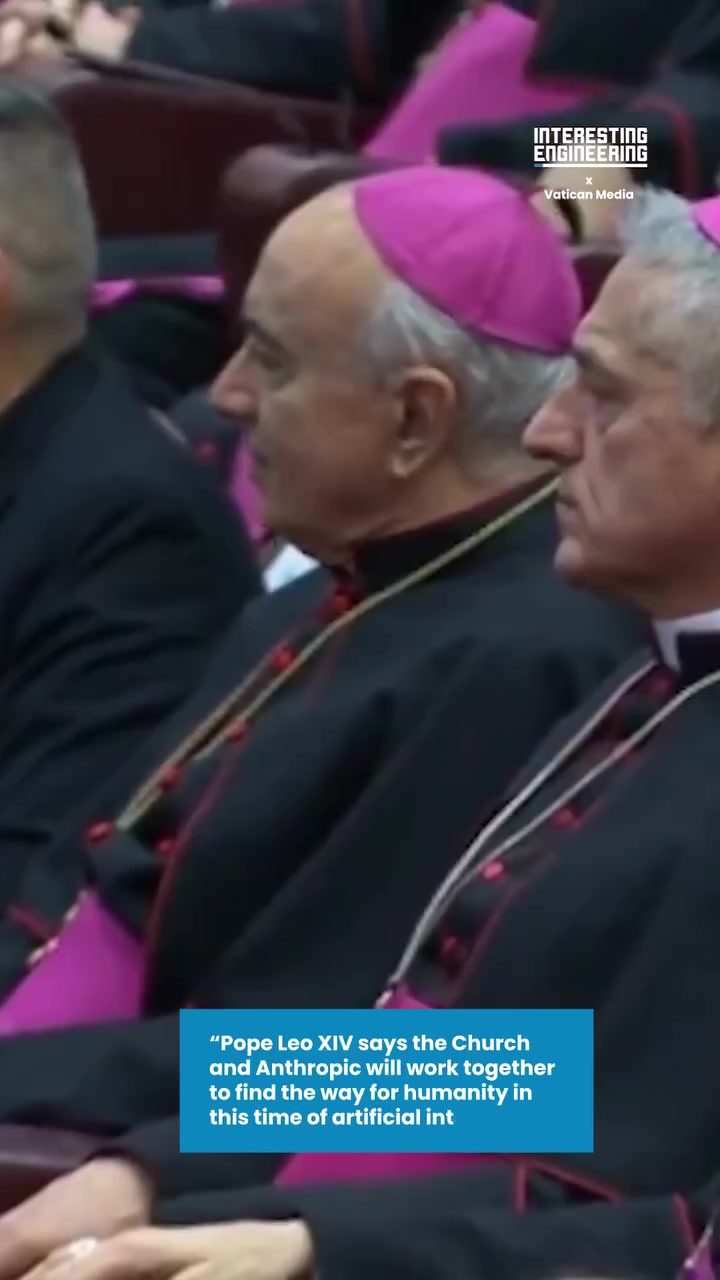
Pope Leo XIV's first encyclical, "Magnifica Humanitas," has sparked significant attention due to its focus on artificial intelligence (AI) and the future of humanity. The document emphasizes the need for robust regulation of AI and declares it "not permissible" to entrust lethal decisions to machines. Additionally, it announces a collaborative effort between the Vatican and Anthropic to navigate the complexities of AI in our contemporary world.
Why This Matters
The rapid advancements in AI have brought about both excitement and concern. As machines become more integrated into our daily lives, questions about ethics, safety, and control are increasingly pressing. Pope Leo XIV's encyclical addresses these issues head-on, offering a framework for how society should approach AI with a focus on humanitarian principles.
The Key Points of "Magnifica Humanitas"
Accepting the Challenge of AI
In his address, Pope Leo XIV emphasizes the importance of collaboration and dialogue in navigating the challenges posed by AI. He states, "In the name of the Church, I accept the invitation to walk together, to listen, and to speak, and to find the way for humanity in this time of artificial intelligence." This call to action underscores the need for a collective approach to understanding and regulating AI.
The Role of Humanity in AI Development
Pope Leo XIV's message underscores the importance of human involvement in the development and regulation of AI. He speaks about the "sign of hope" that our differences can be a source of strength, allowing us to listen to one another and discern the major questions of our time. This sentiment aligns with the broader philosophical discussions on the role of ethics in technological development.
The Gravity of the Moment
The encyclical highlights the gravity of the current technological landscape. Pope Leo XIV says that the ongoing interchanges about AI clearly "bespeak the gravity of the moment." He expresses confidence that, together, humanity can address the major questions posed by AI. This confidence is rooted in the belief that collaborative efforts and ethical considerations are crucial for the future of AI.
Practical Tips for Engaging with AI
Given the complexities of AI, it's essential to approach this technology with a balanced perspective. Here are some practical tips for engaging with AI ethically and responsibly:
Understand the Implications
Before integrating AI into any aspect of life, take the time to understand its implications. This includes not only the benefits but also the potential risks and ethical concerns. The more informed you are, the better equipped you will be to make responsible decisions.
Foster Open Dialogue
Engage in open dialogue with others about AI. This can include discussions with family, friends, and colleagues, as well as participation in community forums and online discussions. Sharing perspectives and listening to different viewpoints can provide a broader understanding of the issues at hand.
Collaborate on Solutions
Collaboration is key to addressing the challenges posed by AI. Work with others to develop solutions that prioritize human values and ethical considerations. This can involve participating in community initiatives, advocacy groups, and even local government efforts aimed at regulating AI.
Important Takeaways
The Need for Robust Regulation
One of the most significant takeaways from Pope Leo XIV's encyclical is the need for robust regulation of AI. This includes not only legal frameworks but also ethical guidelines that ensure AI is developed and used responsibly. The declaration that it is "not permissible" to entrust lethal decisions to machines highlights the importance of human oversight in critical decision-making processes.
The Role of Ethics in AI Development
Ethics plays a crucial role in the development and implementation of AI. Pope Leo XIV's message emphasizes the importance of listening to one another and working together to find the way for humanity in this time of artificial intelligence. This collaborative approach is essential for ensuring that AI is used to benefit humanity rather than causing harm.
The Future of Humanity
The future of humanity is intrinsically linked to the development and regulation of AI. Pope Leo XIV's confidence that together we can discern the major questions of our time underscores the importance of collective effort and ethical consideration. By working together, we can ensure that AI serves as a tool for human progress rather than a threat.
Conclusion
Pope Leo XIV's encyclical "Magnifica Humanitas" provides a thought-provoking framework for understanding and navigating the complexities of artificial intelligence. By emphasizing the need for robust regulation, collaboration, and ethical consideration, the encyclical offers valuable insights into how we can approach AI responsibly. As we move forward in this era of technological advancement, it is crucial to keep these principles in mind and work together to ensure a brighter future for humanity.
Watch the Reel
Questions readers ask
What is the main focus of Pope Leo XIV's first encyclical, "Magnifica Humanitas"?
The main focus of Pope Leo XIV's first encyclical is on the regulation of artificial intelligence (AI) and the importance of human involvement in AI decision-making. It emphasizes the need for ethical considerations and collaboration between different sectors, including the Vatican and AI research firms.
Why does Pope Leo XIV believe that it is not permissible to entrust lethal decisions to machines?
Pope Leo XIV believes that entrusting lethal decisions to machines is not permissible due to the ethical implications and the potential for misuse. He emphasizes the need for human oversight in critical decision-making processes.
What collaborative effort has the Vatican announced in relation to AI?
The Vatican has announced a collaborative effort with Anthropic, an AI research firm, to navigate the complexities of AI in our contemporary world. This collaboration aims to ensure that AI development aligns with ethical guidelines and human values.
How does Pope Leo XIV's encyclical address the rapid advancements in AI?
Pope Leo XIV's encyclical addresses the rapid advancements in AI by calling for stringent regulation and highlighting the need for a united, ethical approach to AI development. It emphasizes the importance of addressing ethical, safety, and control issues as machines become more integrated into daily life.
What is the significance of Pope Leo XIV's stance on AI for the future of humanity?
Pope Leo XIV's stance on AI is significant because it brings attention to the ethical and safety concerns surrounding AI. By advocating for regulation and human involvement, the encyclical aims to guide the development of AI in a way that benefits humanity and mitigates potential risks.
Why does Pope Leo XIV emphasize collaboration between different sectors in AI development?
Pope Leo XIV emphasizes collaboration between different sectors, including the Vatican and AI research firms, to ensure a comprehensive and ethical approach to AI development. This collaboration helps to integrate diverse perspectives and expertise, fostering a balanced and responsible development of AI technologies.
What specific actions does Pope Leo XIV propose for AI regulation?
Pope Leo XIV proposes stringent regulation of AI, including the declaration that lethal decisions should not be entrusted to machines. Additionally, he advocates for a collaborative effort between the Vatican and AI research firms to navigate the complexities of AI and ensure ethical guidelines are followed in AI development.
Related deep dives
Similar reads based on topic and creator.


Recent articles
Fresh deep dives from the latest Reels we unpacked.




Comments
Be the first to comment.