Body-worn Cameras and the Importance of Strong Surveillance Oversight
Body-worn cameras have become an integral part of modern policing. Designed to enhance transparency and accountability, these devices capture critical moments during law enforcement activities and are broadly used across the United States. However, recent revelations about the misuse of surveillance systems highlight significant issues that demand attention.
Context
Body-worn cameras, such as the IGNITE body-worn camera, are used by police officers to record their interactions with the public. These devices are intended to provide concrete evidence in legal proceedings, protect officers from false accusations, and deter misconduct. Yet, these same tools have recently been implicated in a disturbing trend.
Surveillance Technology Misuse
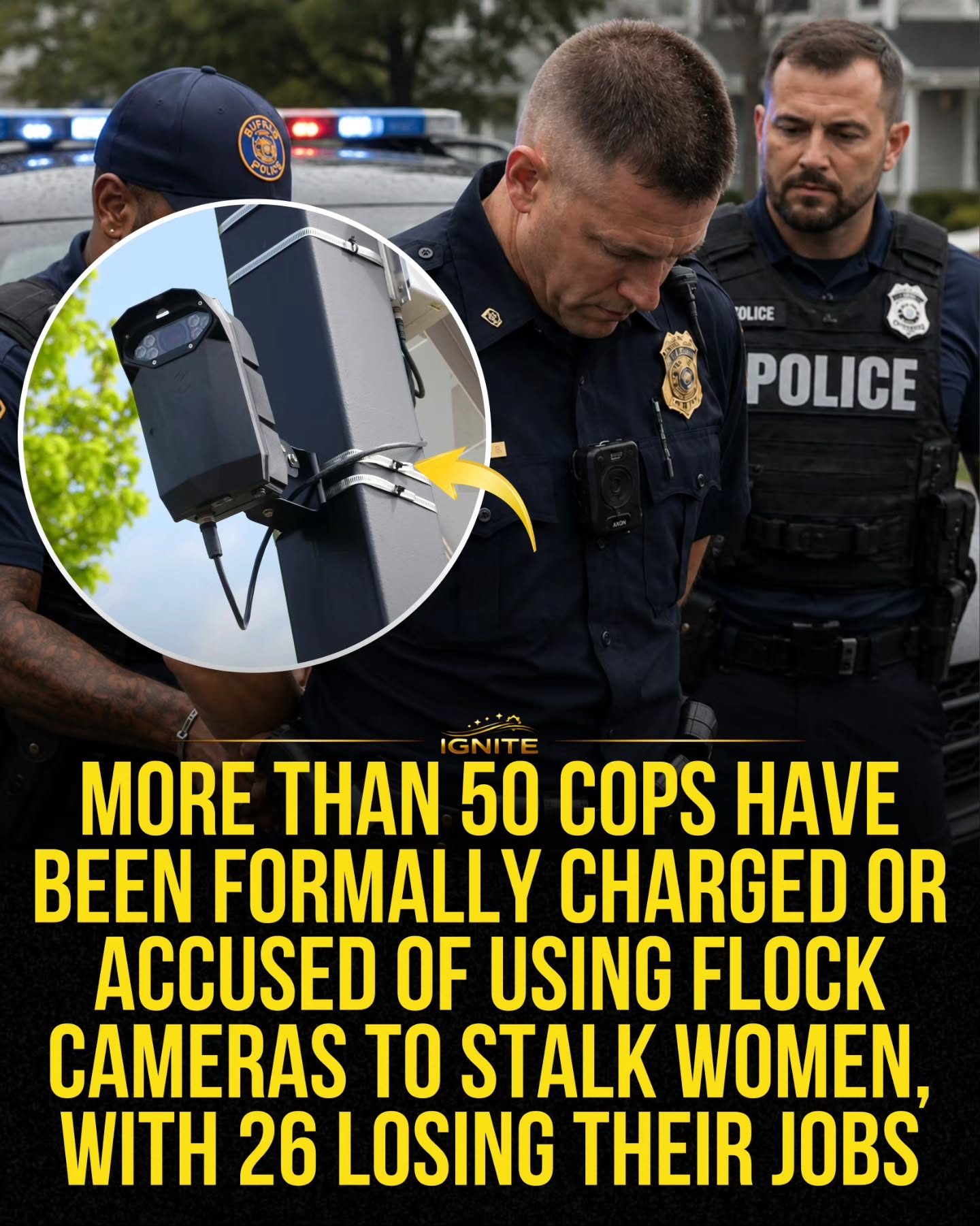
An eye-opening investigation revealed that dozens of U.S. law enforcement officers allegedly misused automated license plate reader (ALPR) systems, including Flock Safety cameras, for personal reasons. These systems, originally designed to combat crime by tracking vehicle movements, were instead repurposed to monitor current and former partners, as well as other individuals, without legitimate legal or investigative grounds.
The Legal Implications
The misuse of these surveillance systems is a grave violation of privacy and trust. The investigation uncovered that at least 50 officers have been accused or formally charged with using these cameras to stalk women. This misuse has led to severe consequences, including the termination of 26 officers' positions. This startling revelation underscores the urgent need for robust oversight and stricter regulations to prevent such abuses.
The Role of ALPR Systems
Automated license plate reader systems like FLock Safety cameras are sophisticated tools that can record millions of vehicle sightings daily. These systems allow law enforcement to track a vehicle's movements over the previous 30 days, providing a wealth of data that can be invaluable in solving crimes. However, the same capabilities that make these systems effective can also be exploited for nefarious purposes.
The Need for Enhanced Oversight
The cases of misuse highlight the critical need for stronger oversight of police surveillance technology. Privacy advocates argue that without stringent regulations and monitoring, the potential for abuse remains high. This includes ensuring that access to surveillance data is strictly controlled and that there are clear guidelines on how and when this data can be used.
Legal and Ethical Considerations
Police departments must implement comprehensive policies that govern the use of body-worn cameras and ALPR systems. These policies should include:
- Clear Guidelines: Establishing guidelines on when and how these systems can be used.
- Oversight Mechanisms: Implementing independent oversight bodies to monitor compliance.
- Training Programs: Providing regular training for officers on the ethical use of surveillance technology.
- Accountability Measures: Ensuring that officers face severe consequences for misusing surveillance technology, including termination and legal action.
Public Trust and Transparency
Maintaining public trust is paramount for law enforcement agencies. The misuse of surveillance systems erodes this trust and can undermine the effectiveness of policing efforts. Transparency in how these technologies are used is essential. Police departments should:
- Publicize Policies: Make their guidelines and policies on surveillance technology publicly available.
- Regular Audits: Conduct regular audits to ensure compliance with these policies.
- Community Engagement: Engage with the community to address concerns and foster trust.
Practical Tips for Ensuring Responsible Use
For law enforcement agencies looking to ensure the responsible use of body-worn cameras and ALPR systems, the following tips can be helpful:
- Implement Robust Access Controls: Limit access to surveillance data to authorized personnel only. Use multi-factor authentication and regular audits to ensure data security.
- Regularly Review Data Usage: Conduct regular reviews of data usage to identify any misuse or unauthorized access.
- Promote a Culture of Accountability: Encourage a culture where officers are held accountable for their actions and understand the consequences of misuse.
- Increase Public Awareness: Educate the public about the use of these technologies and how they are regulated. This can help build trust and understanding.
Important Takeaways
The misuse of body-worn cameras and ALPR systems by law enforcement officers is a serious issue that demands immediate attention. Stronger oversight and regulations are essential to prevent such abuses and maintain public trust. Police departments must implement comprehensive policies, conduct regular audits, and promote transparency to ensure the responsible use of these powerful tools.
Conclusion
Body-worn cameras and automated license plate reader systems are valuable tools in modern policing. However, their misuse for personal gain highlights the urgent need for stronger oversight and accountability. By implementing clear guidelines, promoting transparency, and fostering a culture of accountability, law enforcement agencies can ensure that these technologies are used responsibly and ethically. This not only protects the rights of citizens but also upholds the integrity of law enforcement.
Watch the Reel
Questions readers ask
What are police body-worn cameras primarily designed to do?
Police body-worn cameras are designed to record interactions between law enforcement officers and the public. Their primary purposes include providing evidence for legal proceedings, protecting officers from false accusations, and deterring misconduct. These cameras are widely used to promote transparency and accountability in policing.
How have body-worn cameras been misused by police officers?
Despite their intended purposes, body-worn cameras have been misused by police officers for stalking. This misuse involves officers using the cameras to record individuals without a legitimate law enforcement purpose, invading their privacy, and potentially harassing them. Such misuse undermines the trust between law enforcement and the communities they serve.
What are some examples of police camera misuse for stalking?
Police camera misuse for stalking can involve officers recording individuals without reasonable suspicion of criminal activity. For instance, an officer might use their body-worn camera to follow and record a civilian who has not been accused of any crime, or to continually monitor a person's activities without a valid investigative reason. These actions breach the privacy of individuals and can cause significant distress.
Why is strong oversight of police body-worn cameras important?
Strong oversight and regulations are crucial to prevent the misuse of body-worn cameras and to maintain public trust. Oversight ensures that cameras are used appropriately and that any misuse is promptly addressed. This can include implementing strict guidelines for camera activation and data management, as well as establishing clear consequences for misuse. Effective oversight helps to maintain the integrity of law enforcement and the safety of citizens.
What steps can be taken to address and prevent the misuse of police body-worn cameras?
To address and prevent misuse, police departments can implement stricter regulations and oversight measures. This includes regular audits of camera footage, mandatory training for officers on proper camera use, and clear policies on when and how cameras should be activated. Additionally, creating independent review boards can help ensure that any misuse is thoroughly investigated and addressed, providing a safeguard against abuse.
How does the misuse of body-worn cameras impact transparency in policing?
The misuse of body-worn cameras for stalking can significantly undermine transparency in policing. When officers use cameras for unauthorized purposes, it erodes public trust and can lead to increased scrutiny and resistance from the community. Transparency is essential for maintaining a positive relationship between law enforcement and the public, and misuse of these tools can severely damage that relationship.
What role do regulations and policies play in preventing camera misuse in law enforcement?
Regulations and policies play a critical role in preventing the misuse of body-worn cameras. Clearly defined guidelines help to set expectations for officers and provide a framework for appropriate use. These policies should include guidelines for activating and deactivating cameras, as well as protocols for data storage and access. Regular updates to these policies and enforcement of consequences for violations can help to deter misuse and maintain the integrity of the surveillance system.
Recent articles
Fresh deep dives from the latest Reels we unpacked.




Comments
Be the first to comment.