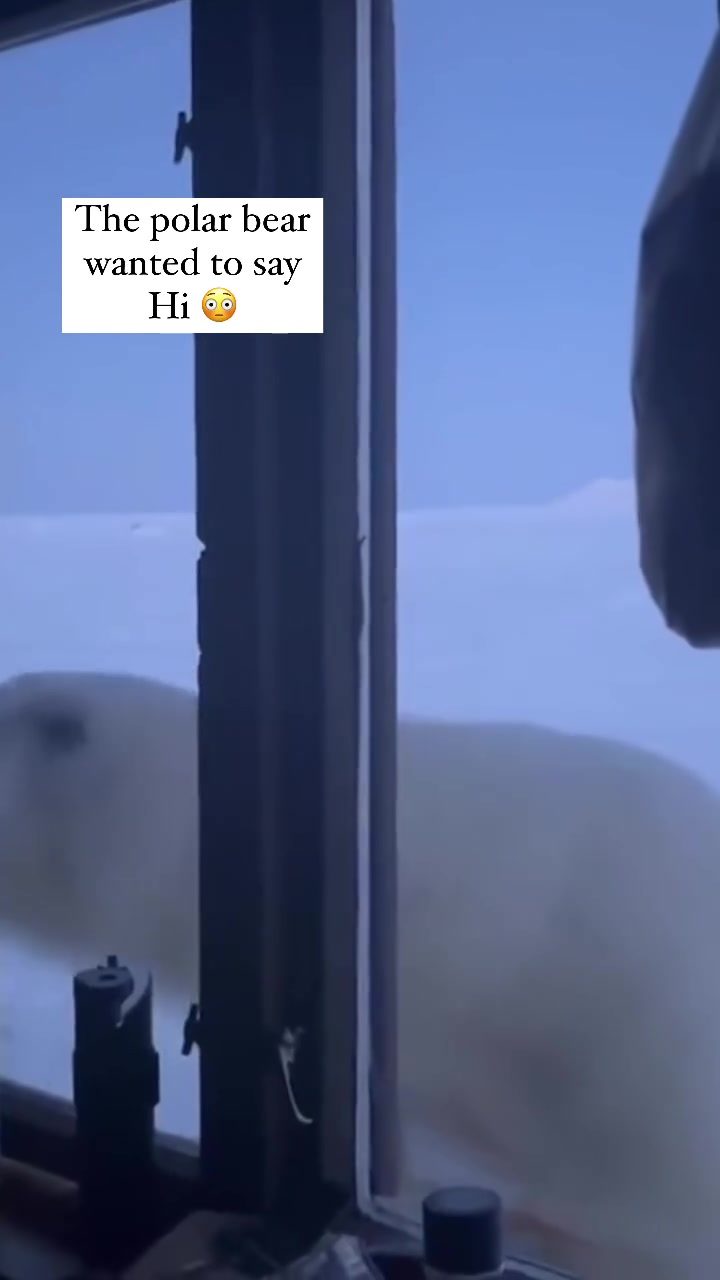
Polar Bear Greetings
Polar bears are some of the most magnificent and iconic animals on the planet. Known for their striking white fur and massive size, these Arctic inhabitants are often the subject of fascination and admiration. Recently, a video showcasing a polar bear greeting has made quite a stir. This article delves into the world of these majestic creatures, their interactions with humans, and what this encounter reveals about their behavior and the environments where they live.
Context / Why this matters
Understanding Polar Bears
Polar bears, scientifically known as Ursus maritimus, are the largest land carnivores on Earth. They inhabit the Arctic Circle and depend on sea ice for hunting seals, their primary food source. Polar bears are highly adaptable, but they face significant threats due to climate change, which is rapidly melting their sea ice habitats.
Zoos and Wildlife Sanctuaries
Zoos and wildlife sanctuaries play a crucial role in conservation efforts for polar bears. These facilities provide controlled environments where polar bears can be studied, cared for, and even bred in captivity. They also serve as educational centers, allowing the public to learn about these incredible animals and the challenges they face.
Main discussion
The Encounter
The video in question features a polar bear behind a window, seemingly eager to interact with visitors. The text overlay reads, "The polar bear wanted to say Hi," adding a humorous and endearing touch to the encounter. This type of interaction is not uncommon in zoos and wildlife sanctuaries, where polar bears often engage with visitors, showcasing their curious and intelligent nature.
Human-Polar Bear Interactions
Polar bears in captivity are often accustomed to human presence, which can lead to fascinating interactions. These interactions are carefully managed to ensure the safety of both the bears and the visitors. Zoo staff are trained to handle such situations, providing a safe and controlled environment for everyone involved. However, it's important to note that these interactions should only occur under professional supervision.
The Role of Zookeepers
Zookeepers play a vital role in managing these interactions. They are responsible for the daily care and well-being of the polar bears, ensuring that they receive proper nutrition, medical care, and enrichment activities. Zookeepers also educate visitors about polar bears, sharing insights into their behavior, habitat, and conservation needs.
Polar Bear Behavior
Polar bears are known for their solitary nature, but they can be quite social when it comes to interactions with humans, especially in captivity. Their curiosity and intelligence often lead to playful and engaging behaviors, as seen in the video. These behaviors not only entertain visitors but also provide valuable insights into the cognitive abilities of these magnificent creatures.
Practical tips
Visiting Polar Bears
When visiting a zoo or wildlife sanctuary with polar bears, there are a few practical tips to keep in mind:
- Follow Guidelines: Always follow the guidelines provided by the zoo or sanctuary. These rules are in place to ensure the safety and well-being of both the visitors and the animals.
- Respect the Animals: Remember that these are wild animals, and while they may seem friendly, they are still powerful predators. Respect their space and avoid actions that could provoke them.
- Educate Yourself: Take the opportunity to learn about polar bears from the educational materials and staff. Understanding their habitat, diet, and conservation needs can enhance your appreciation for these amazing creatures.
Supporting Conservation Efforts
Supporting conservation efforts for polar bears is crucial. Here are a few ways you can contribute:
- Visit Reputable Zoos and Sanctuaries: Choose to visit facilities that prioritize animal welfare and conservation. These visits help support the work they do in protecting polar bears and other endangered species.
- Donate to Conservation Organizations: Consider donating to organizations that work on polar bear conservation. Your contributions can help fund research, habitat protection, and other vital initiatives.
- Raise Awareness: Share your experiences and knowledge about polar bears with others. Raising awareness about their plight can inspire more people to take action.
Important takeaways
The Importance of Conservation
Conservation efforts are essential for the survival of polar bears. Climate change, habitat loss, and other environmental threats pose significant challenges to their existence. Supporting these efforts can help ensure that future generations will continue to marvel at these incredible creatures.
The Joy of Encounters
Interactions between humans and polar bears, while carefully managed, can be deeply rewarding. They provide a unique opportunity to appreciate the beauty and intelligence of these animals, fostering a greater sense of respect and admiration for wildlife.
Conclusion
Polar bears are truly remarkable creatures, and encounters with them, whether in the wild or in captivity, are unforgettable experiences. Visiting zoos and wildlife sanctuaries not only provides an opportunity to see these majestic animals up close but also supports vital conservation efforts. By understanding their behavior, the challenges they face, and the importance of conservation, we can all play a role in protecting these incredible animals for future generations to enjoy.
Watch the Reel
Questions readers ask
Why do polar bears in zoos interact with visitors behind glass?
Polar bears in zoos are known to interact with visitors behind glass due to a few reasons. Firstly, the glass provides a safe barrier for both the bear and the visitor. Secondly, these interactions can provide enrichment for the bears, stimulating their natural curiosity and exploration instincts. Lastly, these encounters offer visitors a unique opportunity to observe these magnificent creatures up close, fostering appreciation and understanding of Arctic wildlife.
Are polar bears always aggressive towards humans?
Not always. While polar bears are powerful predators and wild animals, their interactions with humans vary. When separated by a safe barrier like glass, polar bears often show curiosity rather than aggression. However, it's crucial to remember that wild animals can be unpredictable, and safety should always be the top priority in any human-wildlife interaction.
What do polar bear videos from zoos reveal about their behavior?
Polar bear videos from zoos often reveal their curious and playful nature. These videos can showcase how polar bears interact with their environment and other animals or humans. They highlight the bears' intelligence and adaptability, even in captivity. Additionally, these videos can provide insights into the bears' body language and communication methods.
How do polar bears communicate with each other and with humans?
Polar bears use a combination of vocalizations, body language, and facial expressions to communicate. With humans, they often rely on body language, such as head movements or paws on the glass. When interacting with each other, they might use a combination of all three. These communicative behaviors can be observed in various settings, including zoos and wildlife sanctuaries.
Why is it important to observe polar bears behind glass?
Observing polar bears behind glass is important for several reasons. It ensures the safety of both the bears and the observers. It also allows for a closer look at these magnificent creatures without disturbing their natural behaviors. Additionally, it provides an opportunity for visitors to learn about these animals and their Arctic habitats in a controlled environment.
Related deep dives
Similar reads based on topic and creator.




Recent articles
Fresh deep dives from the latest Reels we unpacked.




Comments
Be the first to comment.