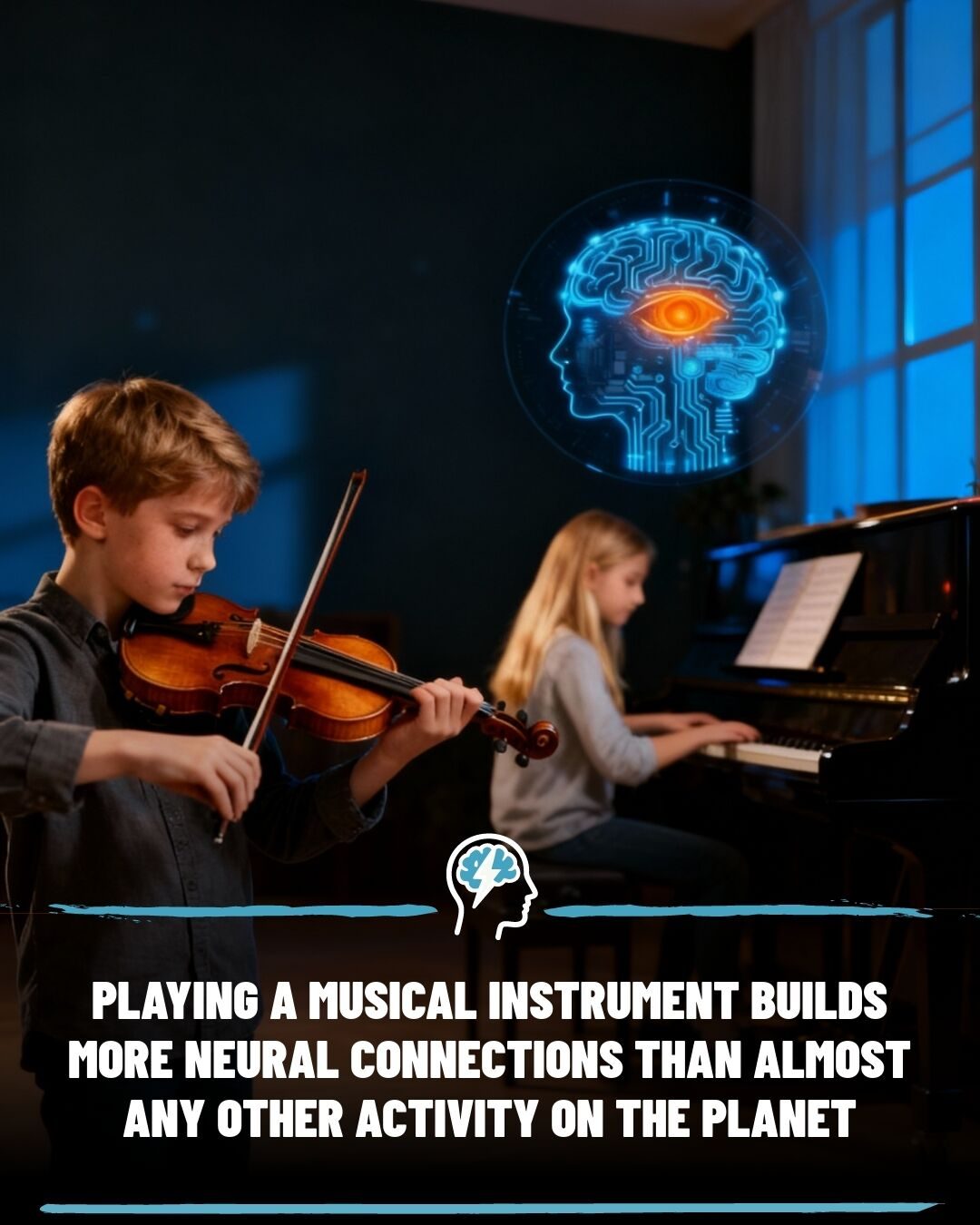
Learning a Musical Instrument: The Surprising Benefits for Your Brain
Playing a musical instrument engages multiple regions of your brain, making it a powerful tool for cognitive development. This isn't just a feel-good claim; there's genuine scientific research backing it up. Let's explore the fascinating connection between music and brain development.
Why This Matters
In today's fast-paced world, finding activities that truly engage and stimulate the brain can be challenging. Learning to play a musical instrument stands out as a multifaceted activity that can offer significant benefits. Understanding these benefits can inspire more people to pick up an instrument and experience the cognitive advantages firsthand.
The Neuroscience Behind Playing an Instrument
Co-activation of Brain Regions
Playing a musical instrument involves a complex interplay of sensory, motor, memory, attention, and emotional processes. When you play an instrument, these different brain systems work together in a process called "co-activation." This means multiple regions of the brain are activated simultaneously, creating a robust neural network that enhances overall brain function. This is why playing an instrument is often considered one of the most beneficial activities for brain development.
Structural Brain Changes
Research has shown that musical training can lead to structural changes in the brain. This includes increased white matter connectivity, greater gray matter volume in the motor cortex, and growth in the corpus callosum—the bridge between the brain's hemispheres. These structural changes contribute to improved brain function and enhanced cognitive abilities.
Enhanced Cognitive Functions
Musical practice is linked to a variety of cognitive benefits. It can improve memory, enhance auditory processing, and boost attentional control. These improvements are likely due to the multisensory integration that occurs when playing an instrument. Music combines hearing, touch, vision, body awareness, reading notation, fine motor control, and precise timing, all of which force the brain to synchronize different sensory inputs and motor actions.
Practical Tips for Maximizing Brain Benefits
Regular and Sustained Practice
To reap the full benefits of musical practice, consistency is key. Regular and sustained practice is essential for maximizing neuroplasticity benefits. This means setting aside dedicated time each day or week to focus on your instrument. The more consistently you practice, the more likely you are to see cognitive improvements.
Exploring Different Genres
Exploring different genres of music can also enhance the benefits of playing an instrument. Each genre has its unique rhythm, melody, and style, which can challenge the brain in different ways. This diversity can help keep your practice sessions fresh and engaging, promoting continued learning and development.
Incorporating Other Healthy Habits
While playing an instrument offers numerous cognitive benefits, it's important to remember that it's just one piece of a larger puzzle. Incorporating other healthy habits, such as regular exercise, a balanced diet, and adequate sleep, can complement the benefits of musical practice and contribute to overall well-being.
Important Takeaways
Learning to play a musical instrument is more than just a fun hobby; it's a powerful tool for brain development. The multisensory integration and co-activation of brain regions make it a highly beneficial activity for cognitive health. Regular and sustained practice, along with exploring different genres, can help maximize these benefits. While music won't replace other healthy habits, it can be a genuinely enriching addition to your life. If you've been considering picking up an instrument, the neuroscience behind it is encouraging.
Conclusion
The connection between playing a musical instrument and brain development is well-supported by scientific research. By engaging multiple brain systems at once, musical practice can lead to structural brain changes and enhanced cognitive functions. Whether you're a beginner or an experienced musician, embracing the world of music can offer a wealth of benefits for your brain and overall well-being. So, go ahead and pick up that instrument—your brain will thank you.
Watch the Reel
Questions readers ask
How does playing an instrument affect memory?
Playing an instrument can significantly improve memory. The process of learning and memorizing musical pieces activates the brain's memory centers, leading to enhanced recall and retention skills. Regular practice can thus strengthen memory capacity and efficiency.
What are the motor skills benefits of playing an instrument?
Engaging with an instrument requires precise and coordinated movements, which helps refine fine motor skills. Over time, this practice can improve hand-eye coordination, dexterity, and overall motor control, benefiting both musical and daily activities.
Can playing an instrument enhance auditory processing?
Yes, playing an instrument sharpens auditory processing skills. It trains the brain to distinguish between different sounds, pitches, and rhythms, leading to better listening skills and an increased ability to focus on and interpret auditory information.
How does playing an instrument activate neural networks?
Playing an instrument engages multiple neural networks, including those responsible for memory, motor skills, and auditory processing. This holistic engagement stimulates the brain, promoting the growth of new neural connections and enhancing overall cognitive function.
What cognitive skills can be improved by learning to play an instrument?
Learning to play an instrument can enhance various cognitive skills, including problem-solving, pattern recognition, and spatial-temporal skills. These improvements can benefit not only musical activities but also other areas of life that require critical thinking, creativity, and problem-solving.
How does playing an instrument contribute to brain health?
Playing an instrument contributes to brain health by promoting neural plasticity, which is the brain's ability to change and adapt. Regular practice can lead to structural changes in the brain, enhancing gray matter density and connectivity between different brain regions.
How does learning an instrument boost brain function?
Learning an instrument boosts brain function by demanding focus, coordination, and creativity. This multifaceted engagement ensures that various brain regions are stimulated, leading to enhanced cognitive abilities, including improved memory, attention, and executive functions.
Related deep dives
Similar reads based on topic and creator.



Recent articles
Fresh deep dives from the latest Reels we unpacked.




Comments
Be the first to comment.