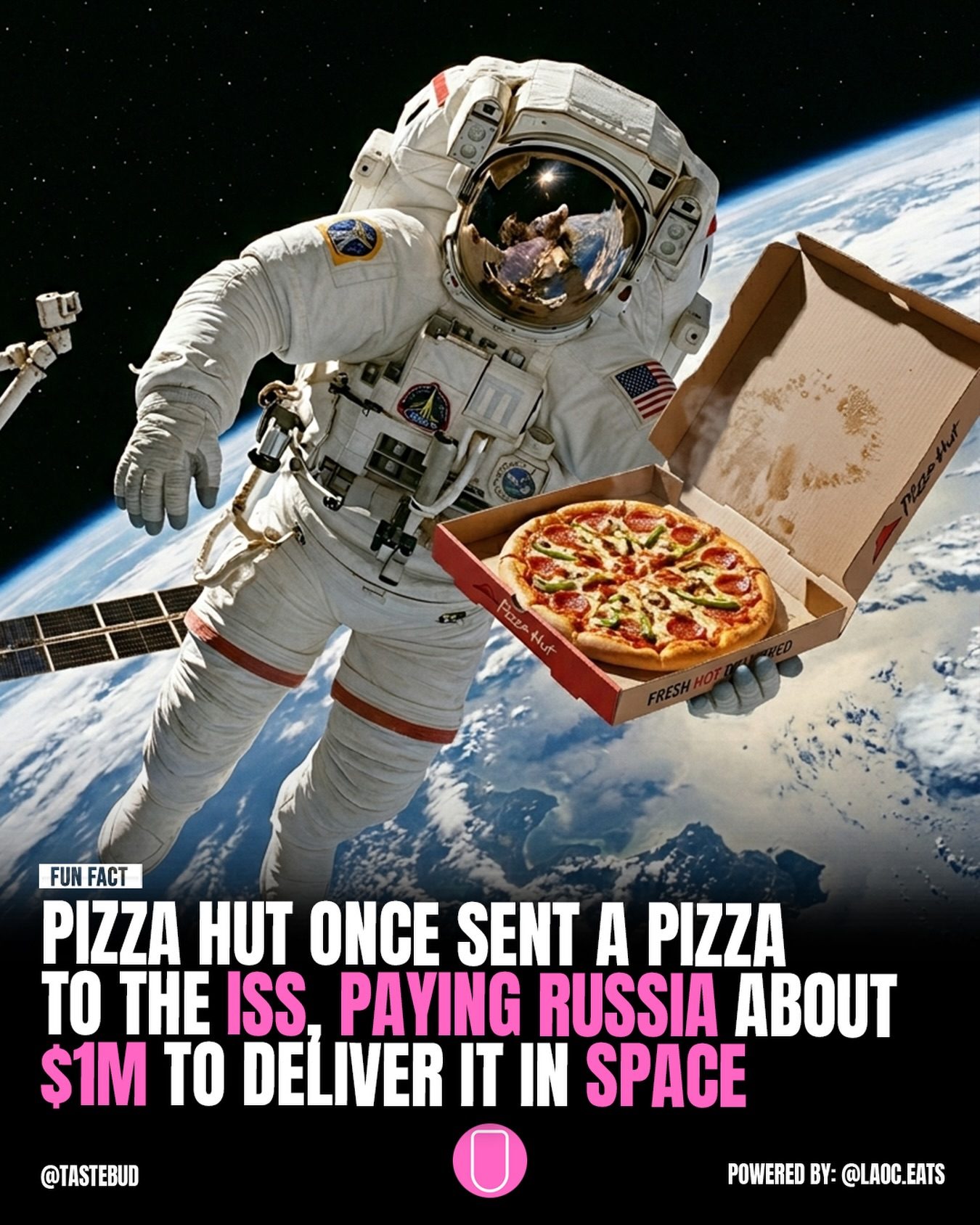
Pizza in Space
The idea of pizza in space might seem far-fetched, but in 2001, Pizza Hut made it a reality. The international space station (ISS) became the delivery destination for a specially designed pizza, marking a significant milestone in both space exploration and marketing campaigns. This culinary adventure was not just a stunt but a carefully planned venture that required significant adjustments to both the pizza and the logistics of space travel.
Why This Matters
The concept of sending pizza to space is more than just a novelty; it represents the intersection of consumer culture, technological innovation, and global cooperation. The effort to deliver a pizza to the ISS is a testament to human ingenuity and the boundless possibilities of space travel. Understanding this event provides insight into the creative marketing strategies that companies employ and the logistical challenges of sending food to space.
The Pizza Hut Pizza to the ISS
The Logistics of the Delivery
Pizza Hut, in partnership with Russia, sent a pizza to the ISS. This endeavor was part of a broader marketing campaign designed to capture public imagination and showcase a company’s ability to innovate. The delivery cost of approximately $1 million was significant but reflected the complexities and risks associated with space travel. Russia provided the necessary expertise and technology to make this historic delivery possible.
Designing a Space-Pizza
The pizza itself underwent several modifications to suit the unique environment of space. The primary change was the substitution of pepperoni with salami. This adjustment was made to ensure the pizza met specific dietary and safety requirements for space travel. Additionally, the crust was redesigned to prevent crumbs, which could pose a hazard in zero gravity. The pizza was small and compact, made specifically to ensure astronauts could consume it safely in space.
The Cosmonaut's Meal
The pizza was received and eaten by a cosmonaut, making it the first-ever pizza delivered in space. This moment was a significant achievement, not just for Pizza Hut but for space exploration as a whole. The event highlighted the potential for future food deliveries to space, opening up possibilities for sustaining astronauts during long missions.
Space and Food
The Challenges of Space Food
Food in space requires careful consideration of various factors, including nutrition, safety, and practicality. The lack of gravity means that food must be designed to stay in place and not float away. The temperature and pressure conditions in space also affect how food is stored and consumed. Traditional food items like pizza, which can produce crumbs, are particularly challenging to adapt for space conditions. The Pizza Hut pizza was a pioneering attempt to address these challenges and pave the way for more diverse food options in space.
Future of Space Food
As space exploration continues to advance, the development of space-friendly food becomes increasingly important. Companies and space agencies are investing in research to create more nutritious and palatable food options for astronauts. The Pizza Hut space pizza project serves as a foundational example of how food can be adapted for space travel, inspiring future innovations in this field.
In the domain of prepared food for space, the following points are crucial:
Weight and Volume
Food for space must be compact and lightweight to conserve space and reduce launch costs. This is a critical consideration for long-duration missions where resupply is limited.
Shelf Life
Space food must have a long shelf life to ensure that astronauts have access to nutritious meals throughout their missions. Dehydrated and freeze-dried foods are commonly used to meet this requirement.
Nutrition
Space food must provide all the necessary nutrients to support astronauts' health and well-being. This includes a balance of carbohydrates, proteins, fats, vitamins, and minerals.
Practical Tips
For those interested in the practical aspects of space food, here are a few key takeaways:
-
Understand the Constraints: Recognize the unique challenges of preparing food for space, including zero gravity, limited storage, and long shelf life requirements.
-
Adapt Recipes: Modify traditional recipes to make them suitable for space. For example, substitute ingredients that produce crumbs and adjust textures to ensure they are safe to consume in zero gravity.
-
Test and Iterate: Experiment with different ingredients and preparation methods to find the best solution. Use feedback from astronauts to refine your recipes.
-
Collaborate: Work with space agencies and companies to gain access to the latest research and technology. Collaboration can provide valuable insights and resources for developing space-friendly food.
Important Takeaways
-
Pizza Hut’s space pizza project was a groundbreaking marketing campaign that involved significant logistical challenges and modifications to the traditional pizza recipe.
-
The design of the space pizza included the use of salami instead of pepperoni and a crust designed to prevent crumbs.
-
The delivery of the pizza to the ISS was facilitated by Russia, highlighting the role of international cooperation in space exploration.
-
This event underscored the potential for future food deliveries to space, emphasizing the importance of adapting food for the unique conditions of space travel.
Conclusion
Pizza in space is more than a quirky marketing stunt. It represents a significant achievement in both culinary innovation and space exploration. The Pizza Hut pizza delivered to the ISS in 2001 showcased the potential for adapting traditional food items for space travel, providing valuable insights into the future of space food. As humanity continues to explore the cosmos, the lessons learned from this event will undoubtedly play a crucial role in developing more diverse and sustainable food options for astronauts.
Watch the Reel
Questions readers ask
Why did Pizza Hut send a pizza to the International Space Station?
Pizza Hut's delivery to the ISS in 2001 was a marketing stunt and an opportunity to test the logistics of sending food to space. It successfully pushed the boundaries of consumer culture and technological innovation.
What made the 2001 space pizza delivery different from other space food deliveries?
The 2001 Pizza Hut delivery was unique as it was a specially designed pizza and was the first time a well-known food brand sent food to space. It also marked the first time a commercial company directly participated in space food delivery.
How was the pizza adapted for space travel?
The pizza was specially designed to withstand the conditions of space travel. It had to be compact, lightweight, and durable to survive the journey and be consumable in the microgravity environment of the ISS.
What challenges were involved in delivering the pizza to the ISS?
The challenges included designing a pizza that could endure the conditions of space, navigating the complexities of space travel logistics, and ensuring the safety and quality of the food. This involved collaboration between engineers, scientists, and NASA.
How did the Pizza Hut space venture impact future space food delivery?
The Pizza Hut space venture demonstrated the feasibility of sending consumer food to space, opening up new possibilities for future space food delivery. It also paved the way for other companies to explore similar ventures.
What was the significance of the Pizza Hut space delivery in the context of space travel?
The Pizza Hut space delivery showcased the intersection of consumer culture and space exploration. By delivering a pizza to the ISS, Pizza Hut highlighted the potential for future space travel and food delivery, and the collaboration between private enterprises and space agencies.
Related deep dives
Similar reads based on topic and creator.


Recent articles
Fresh deep dives from the latest Reels we unpacked.




Comments
Be the first to comment.