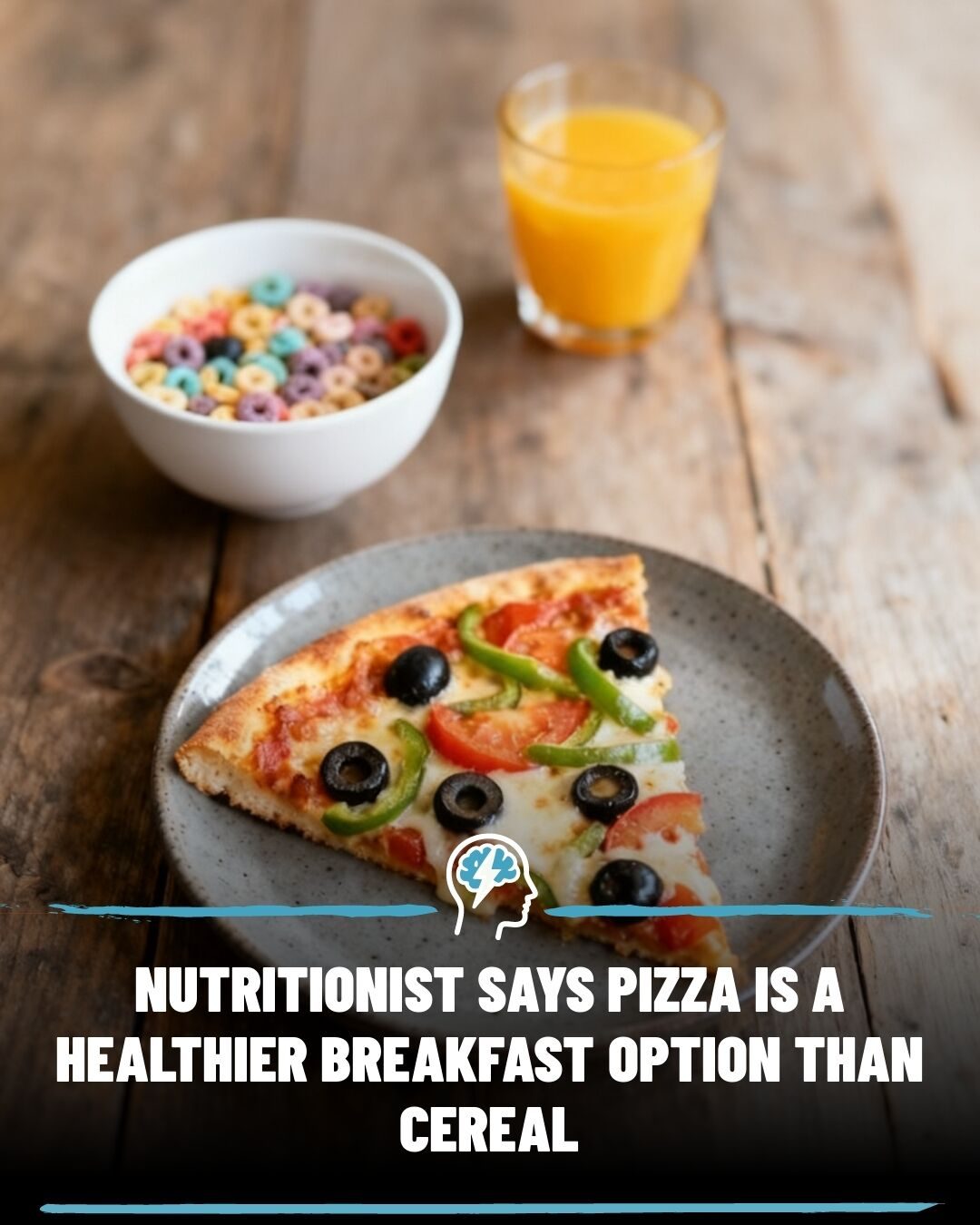
Pizza vs. Cereal for Breakfast
Breakfast is often hailed as the most important meal of the day, and while the specific impact of breakfast on health and metabolism is still debated, it remains a cornerstone of many routines. This brings us to the controversial question of what constitutes a good breakfast. Is a slice of pizza a better option than a bowl of cereal?
Why this Matters
Breakfast choices can significantly influence your energy levels, concentration, and overall health. Understanding the nutritional implications of different breakfast foods, such as pizza and cereal, can help you make informed decisions about what you consume in the morning.
Nutritional Breakdown
Protein and Fat Content
A typical slice of cheese pizza contains around 8 grams of protein, along with a balance of fat and carbohydrates. This macronutrient combination can be beneficial for maintaining stable energy levels throughout the morning. Protein and fat slow down the digestion process, helping to regulate blood sugar levels and keep you feeling fuller for longer.
On the other hand, most sugary cereals deliver about 18 grams of sugar with minimal protein and almost no healthy fats. This high sugar content can cause a rapid spike in blood glucose levels, followed by a crash, leaving you hungry and fatigued within an hour.
Carbohydrates and Sugar
The type of carbohydrates you consume also matters. Whole grain cereals, for example, offer more sustained energy due to their higher fiber content, which slows down digestion. In contrast, sugary cereals provide a quick energy boost but lack the fiber needed to keep you satisfied.
Important Considerations
Overall Diet and Health Goals
While the comparison between pizza and cereal is interesting, it's essential to consider your overall diet and health goals. Pizza, even though it might be a better choice than sugary cereals, is still a processed food. It is often high in sodium and lacks the fiber and micronutrients found in whole foods like eggs, vegetables, or oatmeal with nuts.
Individual Variation
Everyone's body responds differently to food. Factors such as metabolism, activity level, and individual health goals can significantly impact how your body processes different types of breakfast foods. What works for one person might not be ideal for another.
Practical Tips
Pay Attention to Protein
Opt for breakfast foods that contain a good balance of protein, fat, and carbohydrates. This combination can help keep you fuller for longer and support more stable energy levels throughout the morning. Protein-rich foods, such as eggs, Greek yogurt, and nuts, are excellent options.
Watch the Sugar
Limit your intake of sugary cereals and opt for whole grain options. If you do choose to have cereal, pair it with a protein source like milk or yogurt to balance out the sugar content. This will help maintain stable blood sugar levels and keep you energized.
Make Informed Choices
Pay attention to the nutritional labels on breakfast foods. Many breakfast cereals marketed as healthy are actually high in sugar and low in nutritional value. Be mindful of what you're consuming and choose foods that offer a balanced mix of macronutrients.
Consider Variety
Incorporate a variety of breakfast options into your routine. This can help ensure you're getting a wide range of nutrients and prevent boredom with your meals. Experiment with different protein sources, healthy fats, and complex carbohydrates to find what works best for you.
Important Takeaways
Balance is Key
Balance is crucial when it comes to breakfast choices. Opt for foods that provide a mix of protein, fat, and carbohydrates to support stable energy levels and keep you feeling full. While pizza might be a better option than sugary cereals in some cases, it's still essential to focus on whole, nutrient-dense foods for optimal health.
Check the Label
Always check the nutritional labels on breakfast foods. Pay attention to the sugar, protein, and fiber content. Many foods marketed as healthy are actually high in sugar and low in nutritional value. Choose options that offer a balanced mix of macronutrients.
Individual Preferences Matter
Remember that everyone's body responds differently to food. Consider your overall diet, activity level, and health goals when deciding on breakfast options. What works for one person might not be ideal for another, so experiment with different foods to find what works best for you.
Conclusion
The debate between pizza and cereal as breakfast options highlights the importance of understanding the nutritional implications of our food choices. While pizza might be a better option than sugary cereals in some cases, it's still essential to focus on whole, nutrient-dense foods for optimal health. Pay attention to protein and sugar content, and make informed choices based on your individual needs and preferences. By doing so, you can ensure that your breakfast supports your overall health and energy levels throughout the day.
Watch the Reel
Questions readers ask
Is it okay to eat pizza for breakfast?
Pizza can be a suitable breakfast option because it contains more protein and fat, which help maintain steady energy levels and keep you feeling full. However, it's important to choose a slice with a balanced macronutrient profile, avoid overly greasy or processed options and consider your individual dietary needs and preferences.
Why does cereal lead to an energy crash?
Many breakfast cereals, especially those that are high in sugar, lack protein and fat. These nutrients are essential for slowing down digestion and maintaining stable blood sugar levels, which is why sugary cereals can lead to a rapid spike and subsequent crash in energy levels.
How does the protein in pizza benefit breakfast?
The protein in pizza helps to boost metabolism and aids in maintaining muscle mass. It also contributes to a feeling of fullness and satisfaction by slowing down digestion, promoting better appetite control and helping to prevent overeating.
What are some healthier breakfast cereal options?
opt for whole-grain cereals with a low sugar content, as these can provide more fiber and a slower release of energy. Pairing your cereal with a protein source, such as Greek yogurt or a handful of nuts, can further enhance its nutritional benefits and help sustain energy levels.
Can I make my pizza breakfast healthier?
Yes, you can make your breakfast pizza healthier by choosing whole-grain crust, adding plenty of vegetables, and opting for leaner protein sources like chicken or turkey pepperoni. These modifications can increase the nutritional content and promote a more balanced breakfast.
Why is breakfast important for energy levels?
Breakfast replenishes your body's glucose supply, which is your primary source of energy. This helps to restore your blood sugar levels and kick-start your metabolism, leading to improved energy levels, concentration, and overall cognitive function.
Does everyone need to eat breakfast?
The need for breakfast can vary from person to person. While some people may experience improved energy, concentration, and overall health, others may not benefit significantly. It's important to listen to your body and choose breakfast options that align with your personal dietary needs and preferences.
Related deep dives
Similar reads based on topic and creator.




Recent articles
Fresh deep dives from the latest Reels we unpacked.




Comments
Be the first to comment.