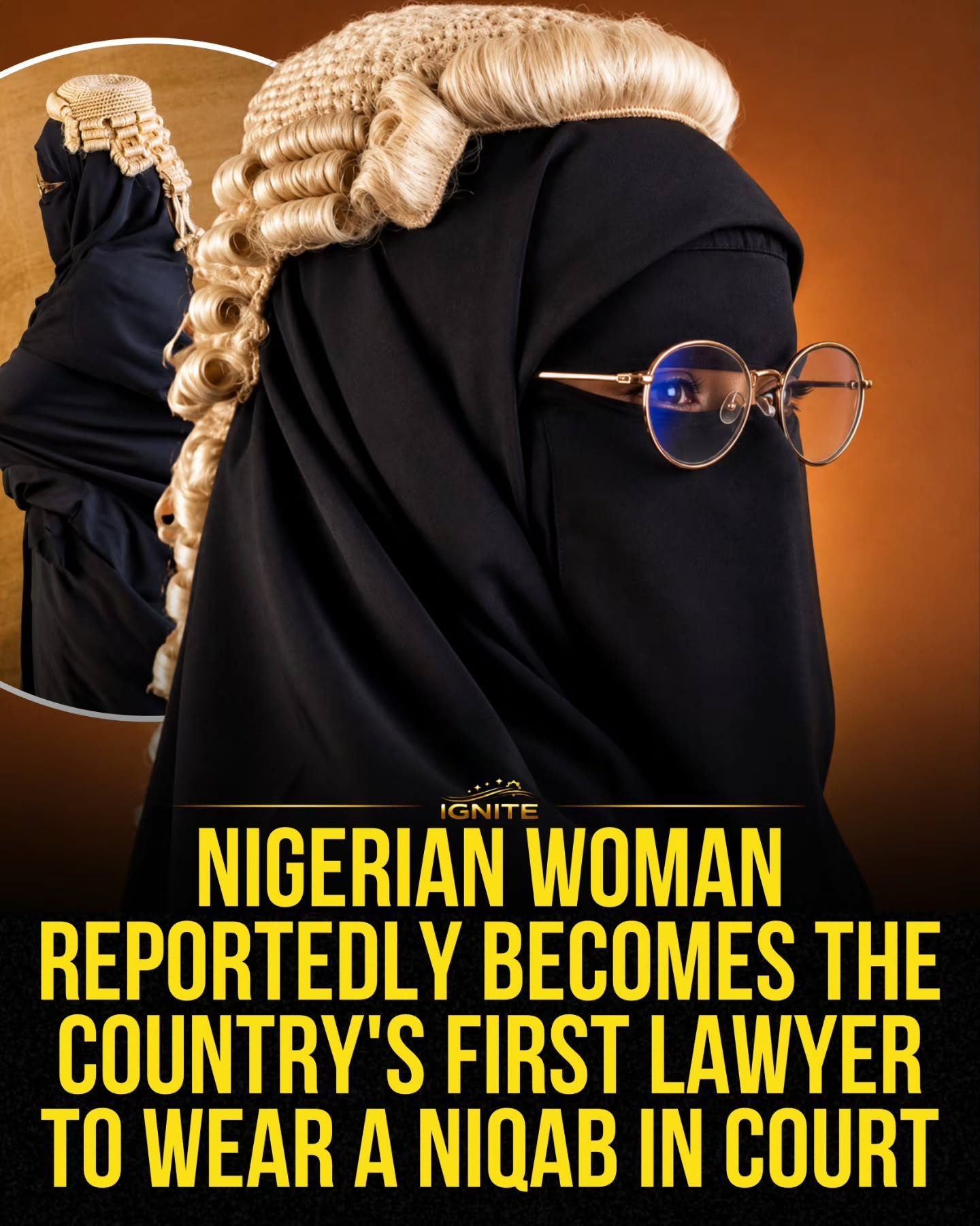
The First Niqabi Lawyer in Nigerian Courts
The legal landscape in Nigeria has seen a significant shift with the emergence of the first lawyer to wear a niqab in court. This development is not just a matter of personal choice but also a reflection of broader cultural and legal considerations.
The Significance of This Milestone
The presence of a niqabi lawyer in Nigerian courts is a landmark event for several reasons. Firstly, it represents a step towards greater inclusivity and diversity within the legal profession. Nigeria, like many other countries, is home to a diverse population with varied cultural and religious practices. The acceptance of a niqab-wearing lawyer in court underscores the country's commitment to respecting these differences.
Secondly, this milestone highlights the evolving nature of legal attire and professional dress codes. Traditionally, legal attire in Nigeria, as in many common law jurisdictions, has been quite uniform. The wig and gown are iconic symbols of the legal profession. However, the inclusion of a niqab adds a new dimension to this traditional attire, reflecting the personal and religious beliefs of the lawyer.
Understanding the Niqab
The niqab is a veil that covers the face, leaving the area around the eyes clear. It is worn by some Muslim women as a form of modest dress. The niqab is distinct from the hijab, which covers the head and chest but leaves the face clear. The niqab is often associated with more conservative interpretations of Islamic dress codes.
In the context of the legal profession, the niqab poses unique challenges and considerations. For instance, it can affect communication and interaction with clients, colleagues, and the court. However, the presence of a niqabi lawyer in court shows that these challenges can be navigated with the right support and understanding.
Navigating Professional and Cultural Norms
The decision to wear a niqab in court involves balancing professional and cultural norms. Legal professionals are expected to adhere to a dress code that reflects the seriousness and formality of their role. At the same time, they may also wish to express their cultural or religious identity.
In Nigeria, the legal system has shown flexibility in accommodating this duality. The presence of a niqabi lawyer suggests that the court is open to adapting its practices to include new forms of professional attire, as long as they do not compromise the integrity of the legal process.
Legal Precursors and Global Context
This development is not isolated. In recent years, there have been similar instances of legal professionals wearing religious attire in various countries. For example, in the United States, there have been cases where judges and lawyers have worn hijabs or other forms of modest dress in court. These instances have often sparked debates about the balance between religious freedom and professional norms.
The global context highlights the need for a nuanced approach to legal attire. It is essential to recognize that what may be considered conventional in one cultural context may not apply universally. The acceptance of a niqabi lawyer in Nigeria's legal system is a testament to this evolving understanding.
Practical Implications for Legal Professionals
For legal professionals, this milestone has several practical implications. Firstly, it emphasizes the importance of understanding and respecting cultural and religious diversity. Lawyers and judges who interact with a niqabi lawyer should be mindful of the cultural context and adapt their communication styles accordingly.
Secondly, it highlights the need for inclusive policies and guidelines. Legal institutions should review their dress codes and other policies to ensure they are inclusive and respectful of all cultural and religious practices. This may involve providing clear guidelines on how to accommodate different forms of attire while maintaining professional standards.
Key Takeaways
The emergence of the first niqabi lawyer in Nigeria's courts is a significant milestone with far-reaching implications. It reflects a growing acceptance of cultural and religious diversity within the legal profession. At the same time, it highlights the need for inclusive policies and a nuanced understanding of professional norms.
Conclusion
The presence of a niqabi lawyer in Nigerian courts marks a new chapter in the country's legal history. It underscores the importance of inclusivity, cultural sensitivity, and adaptability within the legal profession. As the legal landscape continues to evolve, it is essential to embrace these changes and ensure that the profession remains accessible and respectful to all.
Watch the Reel
Questions readers ask
Who was the first niqabi lawyer in Nigeria and why is this significant?
The first niqabi lawyer in Nigeria is a trailblazer who made history by wearing a niqab in court. This is significant because it marks a shift in Nigeria's legal landscape, promoting inclusivity and diversity in the legal profession by respecting cultural and religious practices. This milestone encourages more inclusive professional dress codes in Nigeria and beyond, reflecting the nation's commitment to diversity.
What is a niqab and why might a lawyer choose to wear one?
A niqab is a veil that covers the face, leaving the area around the eyes clear. A lawyer might choose to wear a niqab for religious or cultural reasons. In the case of Nigeria's first niqabi lawyer, wearing a niqab allows her to practice law while adhering to her religious beliefs and cultural practices, ensuring she can connect with her clients in a comfortable and respectful manner.
How does the first niqabi lawyer in Nigeria challenge traditional legal attire norms?
The presence of a niqabi lawyer in Nigerian courts challenges traditional legal attire norms by introducing a new standard that respects cultural and religious diversity. Traditional legal attire often dictates a uniform dress code, but this milestone encourages a shift towards inclusive legal attire, making the profession more accessible to individuals from diverse backgrounds.
What does the acceptance of a niqab-wearing lawyer in Nigerian courts signify for the future of legal professional attire?
The acceptance of a niqab-wearing lawyer in Nigerian courts signifies a progressive step towards inclusive professional dress codes. This landmark event encourages the legal community to embrace diversity and respect individual choices, paving the way for more inclusive legal attire in the future. It also sets a precedent for other professions and industries to adopt similar inclusive practices.
What are the implications of this milestone for male and female lawyer dress codes in Nigeria?
The milestone of Nigeria's first niqabi lawyer has implications for both male and female lawyer dress codes. It encourages a reevaluation of professional attire guidelines to ensure they are inclusive and respectful of diverse cultural and religious practices. This development may lead to more flexible and inclusive dress codes for all lawyers, promoting a more diverse and representative legal profession.
Are there any other countries that have seen a similar shift in legal attire norms?
Several countries have seen shifts in legal attire norms to accommodate diversity. For example, the UK has made accommodations for lawyers wearing religious headwear, such as turbans and hijabs. These developments reflect a global trend towards more inclusive professional attire, mirroring the progress seen in Nigeria with the first niqabi lawyer. However, each country's legal landscape may have unique considerations and challenges.
Related deep dives
Similar reads based on topic and creator.



Recent articles
Fresh deep dives from the latest Reels we unpacked.




Comments
Be the first to comment.