Enhancing Workplace Well-being with Personal Touches
Personalizing your workspace can have a significant impact on your overall well-being and productivity. One of the simplest yet most effective ways to achieve this is by keeping photos of loved ones at your desk. This small act can do more than just add a personal touch; it can actively contribute to reducing stress and improving focus during demanding moments.
Context / Why This Matters
Workplace stress is a pervasive issue that affects productivity and overall job satisfaction. The modern office environment can be demanding, with tight deadlines, high pressure, and long hours often leading to increased stress levels. Cortisol, the stress hormone, plays a crucial role in how our bodies respond to stress. High cortisol levels can lead to various health issues, including anxiety, depression, and even weakened immune systems. Finding ways to manage and reduce cortisol levels is key to maintaining both physical and mental health.
Keeping Photos of Loved Ones at Work
The Science Behind It
The concept of keeping photos of loved ones at your desk taps into a phenomenon known as social buffering. This is where reminders of supportive relationships can lower stress hormones like cortisol and promote a calmer, more focused state. Psychologists have studied this effect extensively, finding that even a quick glance at someone you care about can help you feel more resilient and better equipped to handle pressure throughout the day.
How Photos Help
Photos of loved ones serve as visual reminders of close social connections. These reminders can activate the brain's reward system, releasing feel-good hormones like oxytocin. Oxytocin is often referred to as the "love hormone" or the "bonding hormone," and it plays a significant role in reducing stress and anxiety levels. By triggering the release of oxytocin, photos of loved ones can create a sense of comfort and security, making it easier to manage stress and stay focused on tasks.
The Impact on Performance
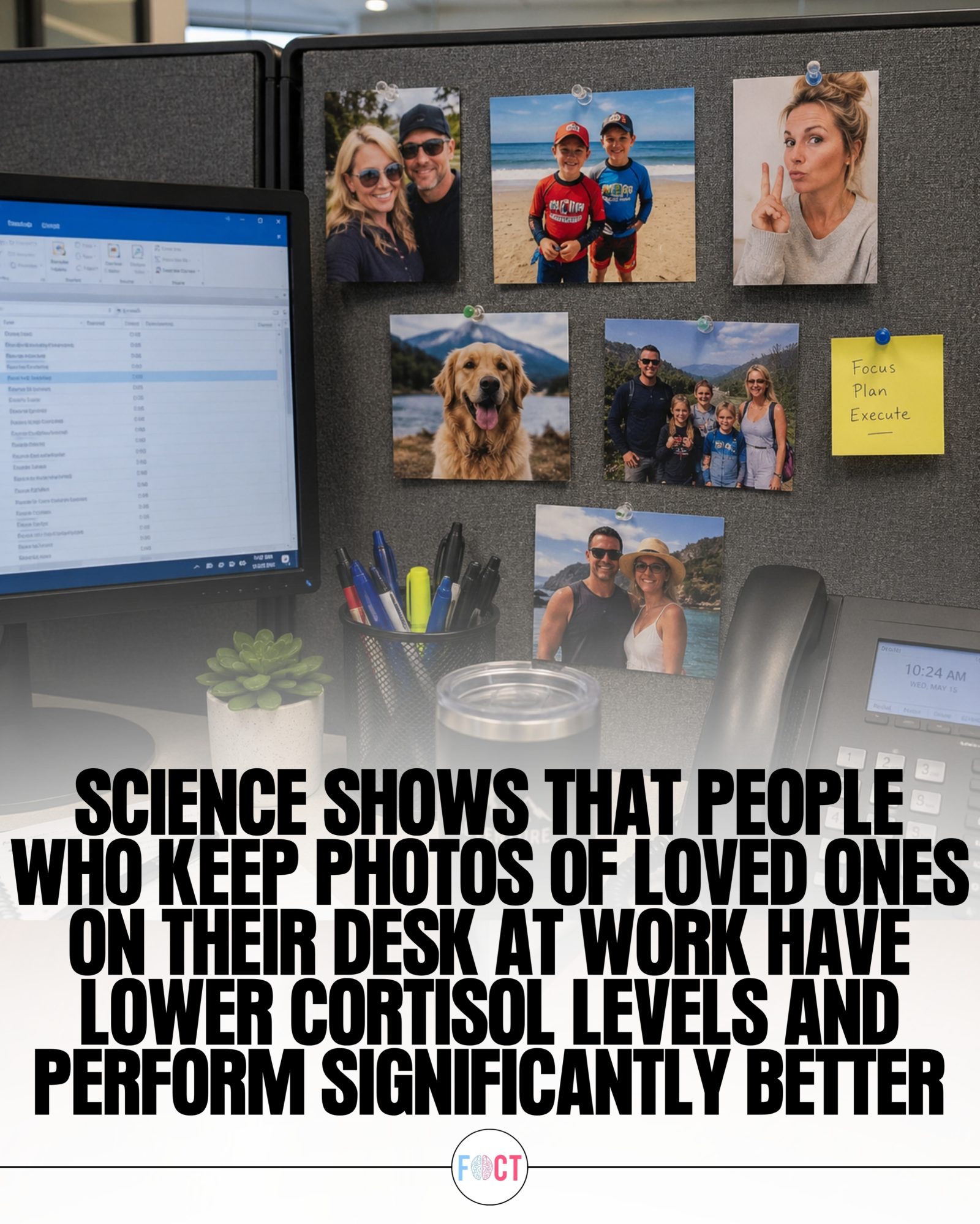
Studies have shown that people who keep photos of loved ones on their desks at work have lower cortisol levels and perform significantly better. This performance boost can be attributed to the calming effect of the photos, which helps maintain a focused and productive state. Lower cortisol levels also contribute to better decision-making, improved problem-solving skills, and enhanced creativity.
Practical Tips for Incorporating Personal Touches
Choosing the Right Photos
Select photos that evoke positive emotions and memories. Choose images of family members, friends, or pets that bring a smile to your face. The goal is to create a sense of warmth and comfort that can help you navigate stressful situations more effectively. Avoid photos that may evoke negative emotions, as these could have the opposite effect.
Placing Photos Strategically
Position your photos where you can see them frequently, but not to the point where they become a distraction. A common spot is on the desk, near your computer monitor. This way, you can easily glance at them when you need a quick reminder of what matters most. Additionally, consider placing them around your workspace in areas where you spend the most time, such as near your keyboard or on a nearby shelf.
Adding Other Personal Touches
Incorporating other personal touches, such as a favorite mug, a small plant, or a decorative item, can further enhance your workspace's comfort and appeal. These items can serve as additional reminders of your personal life and interests, contributing to a more relaxed and enjoyable work environment.
Important Takeaways
-
Reduce Stress and Improve Focus: Keeping photos of loved ones at your desk can help reduce cortisol levels and improve focus. This is due to the phenomenon of social buffering, which reminds the brain of supportive relationships and lowers stress hormones.
-
Enhance Performance: Lower cortisol levels can lead to improved performance, better decision-making, and enhanced problem-solving skills.
-
Choose Meaningful Photos: Select images that evoke positive emotions and memories. These will be more effective in reducing stress and promoting a sense of well-being.
-
Strategic Placement: Position the photos where you can see them frequently but not to the point where they become a distraction.
Conclusion
Personalizing your workspace with photos of loved ones is a simple yet powerful way to enhance your well-being and productivity. By keeping reminders of close social connections at your desk, you can reduce stress, improve focus, and perform better under pressure. Incorporating these personal touches can create a more comfortable and enjoyable work environment, making it easier to navigate the demands of a busy workplace.
Watch the Reel
Questions readers ask
How do photos of loved ones help in managing workplace stress?
Photos of loved ones serve as visual reminders of social support, which can help reduce cortisol levels, the stress hormone. Regularly seeing these photos can evoke positive emotions and provide a sense of comfort, making it easier to manage stress at work.
Can placing photos of loved ones at my desk improve my focus at work?
Yes, having photos of loved ones at your desk can help improve work focus. These photos can act as a quick source of motivation and happiness, helping to refocus your mind when you're feeling overwhelmed or unfocused. The positive emotions evoked by these photos can help redirect your attention to your tasks.
What are some creative desk decor ideas that involve photos of loved ones?
You can place photos in frames, create a small photo wall using removable adhesive or magnetic boards, or even use a digital photo frame that cycles through various images. Consider rotating the photos regularly to keep your workspace fresh and engaging, ensuring that the photos remain meaningful and relevant.
Does personalizing my workspace with photos of loved ones have any impact on productivity?
Yes, personalizing your workspace with photos of loved ones can boost workplace morale and productivity. Seeing photos of loved ones can create a more inviting and comfortable environment, reducing stress and increasing your overall job satisfaction, which in turn positively influences productivity.
What is the link between social support and workplace well-being?
Social support is crucial for workplace well-being as it provides a sense of belonging and emotional security. Photos of loved ones can act as a constant reminder of this support, helping to create a more positive work environment and reducing feelings of isolation or anxiety.
Can photos of loved ones help in managing cortisol levels at work?
Yes, photos of loved ones can help manage cortisol levels by providing visual cues that evoke positive emotions. When you see these photos, your body responds by releasing hormones that counteract cortisol, such as oxytocin, thereby reducing stress and promoting a sense of well-being.
How can I incorporate photos of loved ones into my workspace for better stress management?
To incorporate photos of loved ones into your workspace, choose a few favorite images and place them in visible yet unobtrusive spots on your desk. You can also create a dedicated photo area on your desk or nearby wall. Regularly glance at these photos when you feel stressed to quickly reorient your emotional state and reduce stress.
Related deep dives
Similar reads based on topic and creator.




Recent articles
Fresh deep dives from the latest Reels we unpacked.




Comments
Be the first to comment.