Veganism and Lobster Welfare: Understanding the Staged PETA Protest
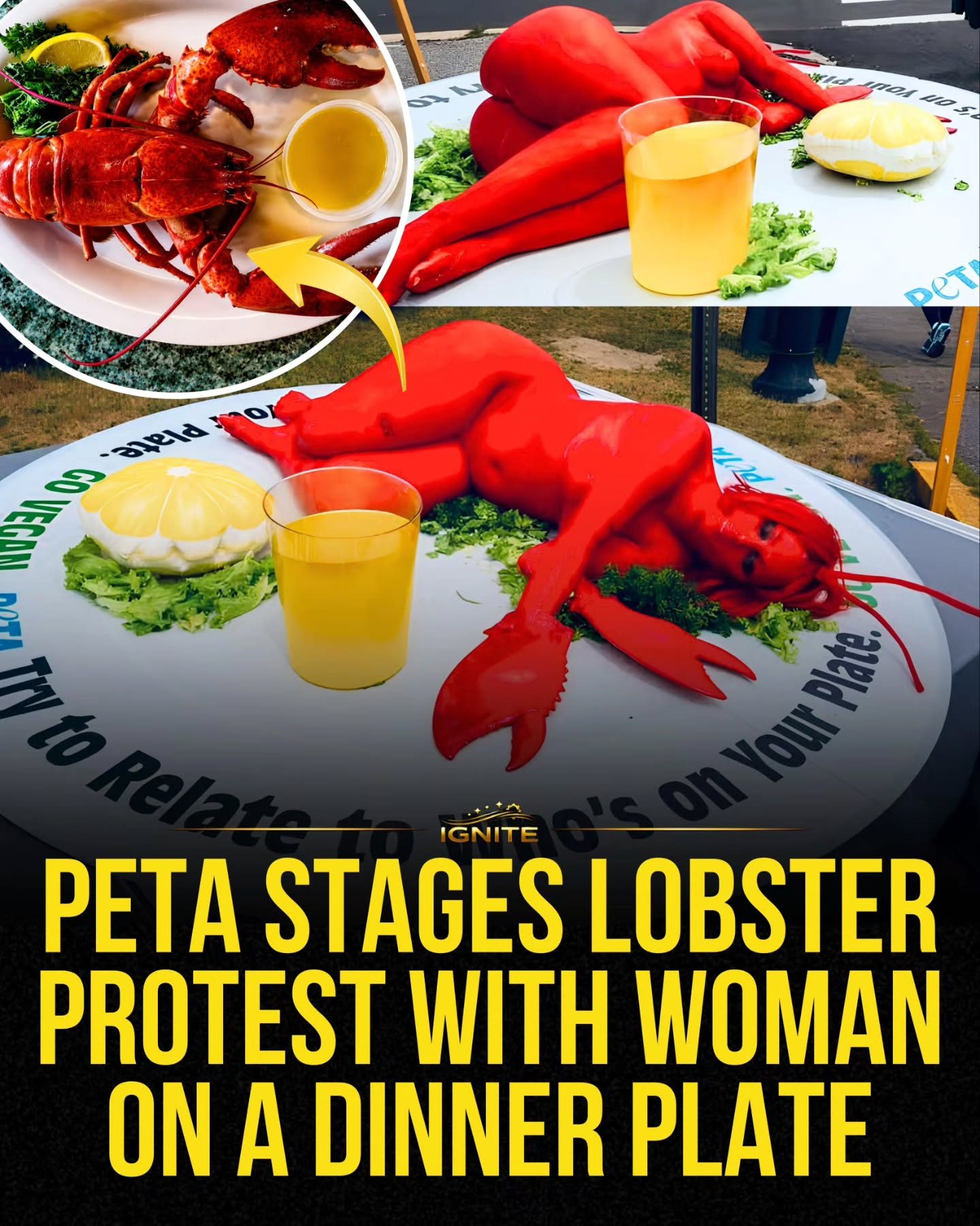
The use of a large red lobster prop as a centerpiece in a staged protest highlights the ongoing debate about seafood consumption and animal welfare. This eye-catching presentation aims to provoke thought and action, particularly around the ethical considerations of eating lobsters and how veganism offers an alternative.
Why This Matters
Activism like this is designed to challenge societal norms and practices that may cause harm to animals. By using a prominent symbol like a lobster, PETA is drawing attention to the often-overlooked welfare concerns of sea creatures. It encourages individuals to consider the ethical implications of their food choices, fostering a conversation about sustainable and compassionate eating habits.
PETA's Staged Protest: A Closer Look
The Visual Impact
The protest features a large, red lobster prop arranged on a dinner plate. The plate's accompanying message, "Try to Relate to Who's on Your Plate. GO VEGAN," is a powerful and direct call to action. The dramatic display of a lobster on a platter juxtaposes the animal with a typical dining setting, challenging viewers to empathize with the creature. The orange liquid and greenery add a touch of irony, suggesting a festive or celebratory meal.
The Message and Its Intent
The aim of the protest is to make people think about the broader implications of eating seafood, especially shellfish like lobsters. This type of activism seeks to raise awareness about the treatment of these animals, who often endure painful experiences before they end up on our plates. The use of a prop in this manner is a stark reminder of what many consumers prefer to ignore: the suffering that sometimes comes with their meal choices.
The Ethical Considerations of Eating Lobsters
Understanding Lobster Welfare
Lobsters are sensitive creatures. They have been observed to react to pain, stress, and discomfort, much like other animals. Lobsters are boiled alive in many traditional preparations, which can be a distressing process. This raises ethical questions about the treatment of animals for human consumption.
The Vegan Alternative
Veganism offers a compassionate response to these concerns. It eliminates the consumption of animal products, including seafood, thereby reducing the suffering of these creatures. By choosing vegan options, individuals can align their dietary habits with their ethical values, promoting a more compassionate and sustainable lifestyle.
Practical Tips for Exploring Veganism
Starting with Small Steps
Transitioning to veganism doesn't have to be an overnight change. Small steps can make a big difference. Consider having one or two meatless days a week and gradually increasing the frequency. Explore plant-based alternatives to your favorite seafood dishes, such as vegan lobster rolls or seaweed-based snacks.
Discovering New Recipes
Vegan cooking can be exciting and delicious. There are countless recipes and resources available to help you discover new, plant-based dishes. Experimenting with tofu, tempeh, and seitan can provide satisfying and nutritious alternatives to seafood.
Finding Community and Support
Joining vegan communities or support groups can provide encouragement and practical advice. Sharing experiences and learning from others can make the transition to veganism easier and more enjoyable.
Important Takeaways
Empathy and Awareness
The protest underscores the importance of empathy and awareness in our daily choices. By considering the welfare of sea creatures, we can make more compassionate decisions about our diet.
The Impact of Our Choices
Our food choices have far-reaching consequences, not just for our health but also for the environment and animal welfare. Opting for vegan options can reduce the demand for seafood and promote more sustainable and ethical practices.
The Role of Activism
Activism plays a crucial role in raising awareness and catalyzing change. By staging dramatic and thought-provoking protests, organizations like PETA draw attention to issues that might otherwise be overlooked.
Conclusion
The PETA protest featuring a lobster prop is a powerful reminder of the ethical considerations involved in our food choices. By encouraging empathy and awareness, it invites us to think more deeply about the impact of our dietary habits. Whether you choose to adopt a vegan lifestyle or simply reduce your seafood consumption, every step toward more compassionate eating is a positive move.
Watch the Reel
Questions readers ask
What is the primary goal of PETA's lobster protest?
The primary goal of PETA's lobster protest is to raise awareness about the ethical implications of consuming lobsters and to promote veganism as an alternative. By using a dramatic and eye-catching display, PETA aims to provoke thought and encourage the public to consider the welfare of lobsters and other sea creatures.
Why did PETA choose a lobster to feature in their protest?
PETA chose a lobster to spotlight the often-ignored suffering of sea creatures. Lobsters are a popular seafood choice, and by highlighting their treatment, PETA hopes to encourage people to think about the ethical issues surrounding seafood consumption.
How does the use of a large lobster prop on a dinner plate impact the protest's message?
The large lobster prop on a dinner plate is a powerful visual that immediately grabs attention and makes the protest hard to ignore. It serves as a stark reminder of the end that many lobsters meet and awakens empathy in the viewer, inviting them to consider the ethical implications of eating lobsters and other sea creatures.
What are the broader implications of PETA's vegan activism?
PETA's vegan activism, including the lobster protest, encourages individuals to think about the consequences of their food choices. By drawing attention to the welfare of animals and the environmental impact of certain diets, PETA promotes a shift towards a more compassionate and sustainable way of eating, benefiting both animals and the planet.
How does PETA's protest aim to challenge societal norms?
PETA's protest challenges societal norms by bringing attention to the often-overlooked issue of sea creature welfare and the ethical considerations of consuming seafood. By using a prominent symbol like a lobster, PETA encourages people to reconsider their food choices and consider the broader implications of their actions, fostering a conversation about more compassionate and ethical practices.
What alternatives to seafood consumption does PETA promote through its protests?
Through its protests, PETA promotes veganism as a humane and sustainable alternative to seafood consumption. A vegan diet excludes all animal products, including seafood, and offers a way to reduce harm to animals and the environment, while still offering a diverse and nutritionally complete way of eating.
Recent articles
Fresh deep dives from the latest Reels we unpacked.




Comments
Be the first to comment.