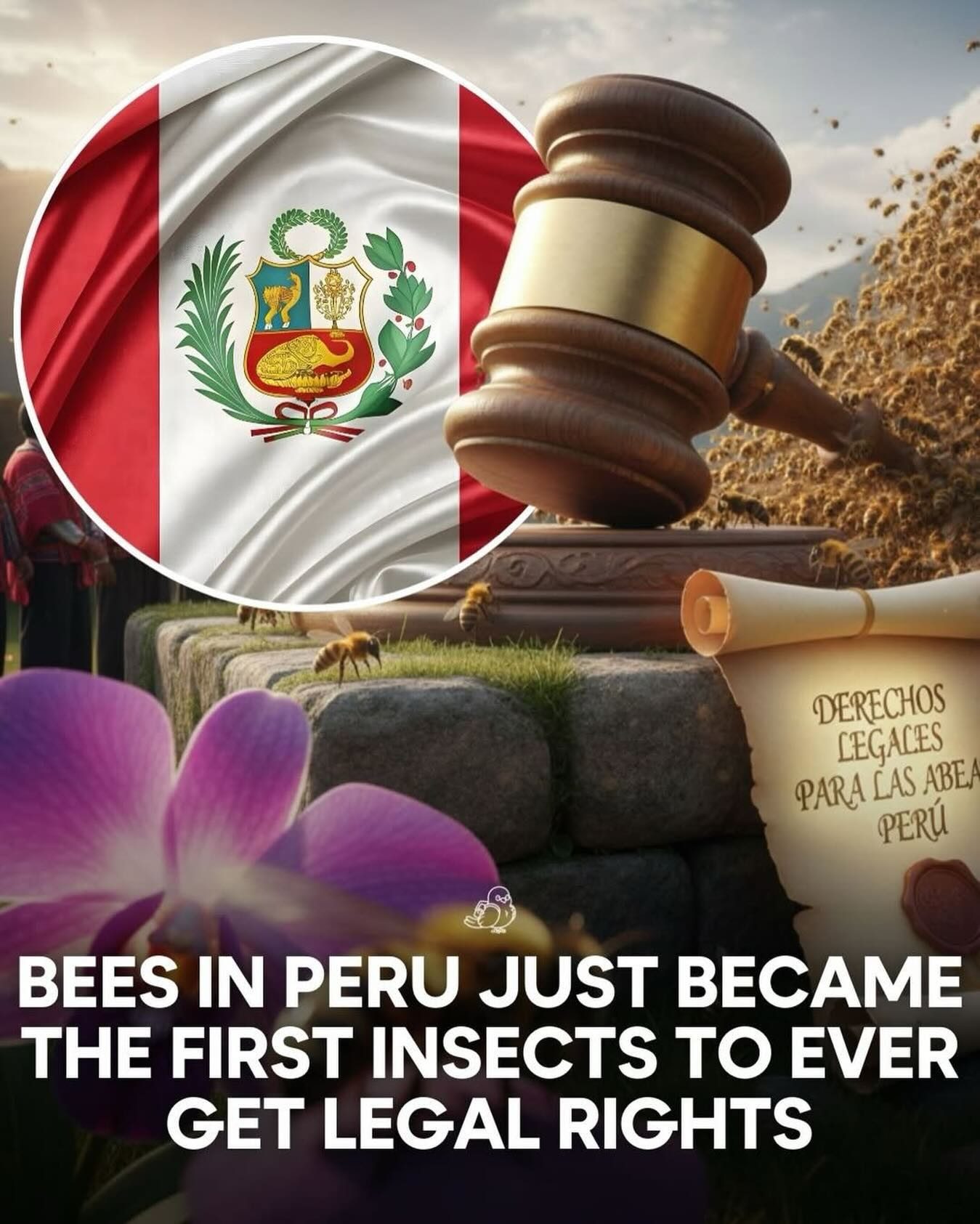
Legal Rights for Bees in Peru
Bees in Peru have made history as the first insects to be granted legal rights. This significant development, focused on native stingless bees in the Peruvian Amazon, marks a monumental shift in environmental and animal protection law. The rights established through local ordinances in the municipalities of Satipo and Nauta grant these bees the right to exist, thrive, maintain healthy populations, and have their habitats protected.
Context / Why this matters
The Peruvian Amazon is home to a diverse range of ecosystems and wildlife, including the essential pollinators, stingless bees. These bees are vital to the health of local ecosystems and play a crucial role in agriculture and food security. Recognizing their legal rights is a groundbreaking step that underscores the global importance of conservation efforts.
The Peruvian Amazon is a biodiversity hotspot, and the stingless bees are integral to its ecosystem. These bees are crucial pollinators, supporting not only the natural environment but also agricultural systems. Their role in maintaining ecological balance and food security cannot be overstated.
Main discussion
The Historic Ordinance
The local ordinances passed in Satipo and Nauta municipalities are a first-of-its-kind initiative. These ordinances legally recognize stingless bees as beings with rights. This recognition includes the right to exist, thrive, maintain healthy populations, and have their habitats protected. This legal framework is a significant step in environmental law, setting a global precedent for animal and ecological protection.
The Legal Framework
The legal rights granted to bees in Peru encompass several key aspects:
- Right to Exist: This ensures that bees are protected from activities that could lead to their extinction.
- Right to Thrive: Bees have the right to live in environments conducive to their well-being and reproduction.
- Right to Maintain Healthy Populations: This includes protections against over-exploitation and habitat destruction.
- Right to Have Habitats Protected: Ensuring that the natural environments where bees live are safeguarded from harm.
The Global Impact
Peru's decision to grant legal rights to bees is setting a precedent for other countries to follow. By recognizing the legal rights of these crucial pollinators, Peru is demonstrating a commitment to conservation and environmental protection. This move could inspire similar initiatives worldwide, helping to protect not just bees but other species and ecosystems as well.
Practical tips
While the specific legal framework in Peru focuses on stingless bees, there are broader implications for conservation efforts globally. Here are some practical steps that can be taken to support bee populations and similar ecosystems:
- Support Local Conservation Efforts: Engage with local organizations and initiatives that work to protect bees and their habitats.
- Promote Bee-Friendly Practices: Encourage sustainable farming practices that support bee populations, such as avoiding pesticides and planting bee-friendly flowers.
- Educate and Advocate: Raise awareness about the importance of bees and the need for legal protections.
Important takeaways
- Native stingless bees in the Peruvian Amazon have been granted legal rights, including the right to exist, thrive, maintain healthy populations, and have their habitats protected.
- The historic local ordinances in Satipo and Nauta municipalities mark a first-of-its-kind initiative, setting a global precedent for environmental and animal protection law.
- This recognition highlights the crucial role bees play in ecosystems, agriculture, and food security, emphasizing the importance of conservation efforts.
Conclusion
The legal recognition of bees' rights in Peru is a groundbreaking step forward in environmental and animal protection. By granting stingless bees the right to exist, thrive, and have their habitats protected, Peru is setting a powerful example for the rest of the world. This initiative underscores the importance of conservation and the need to protect even the smallest creatures, who play a vital role in maintaining healthy ecosystems and supporting food security.
Watch the Reel
Questions readers ask
What specific rights have been granted to bees in Peru?
The native stingless bees in Peru have been granted the legal rights to exist, thrive, maintain healthy populations, and have their habitats protected. These rights are established through local ordinances in the municipalities of Satipo and Nauta.
Why are stingless bees important in the Peruvian Amazon?
Stingless bees play a crucial role in maintaining the health of local ecosystems, agriculture, and food security in the Peruvian Amazon. They are essential pollinators and their well-being directly impacts the broader environment and food production.
What makes this initiative significant on a global scale?
Peru's decision to grant legal rights to bees sets a global precedent for environmental and animal protection. It is the first instance of insects being given such rights, which could inspire similar initiatives worldwide to protect vital pollinators and their habitats.
How does this law impact the local communities in Satipo and Nauta?
By protecting the habitats and populations of stingless bees, the law helps ensure the continued health of local agriculture and food security, which are vital for the livelihoods of the communities in Satipo and Nauta.
What is the significance of protecting bee habitats in the Amazon?
Protecting bee habitats in the Amazon is essential for preserving biodiversity and ensuring the continued functioning of ecosystems. This includes supporting the plant life, other wildlife, and human communities that depend on these habitats.
Are stingless bees the only insects to receive legal rights in Peru?
Yes, stingless bees are the first insects to be granted legal rights in Peru. This initiative is specifically focused on these native bees due to their critical role in maintaining the health of local ecosystems and food security.
How can other countries learn from Peru's initiative in protecting bees?
Countries around the world can look to Peru's initiative as a model for how to legally protect vital pollinators and their habitats. By recognizing the rights of bees and the importance of their habitats, other nations can take steps to ensure the well-being of their own pollinator populations.
Related deep dives
Similar reads based on topic and creator.

Recent articles
Fresh deep dives from the latest Reels we unpacked.




Comments
Be the first to comment.