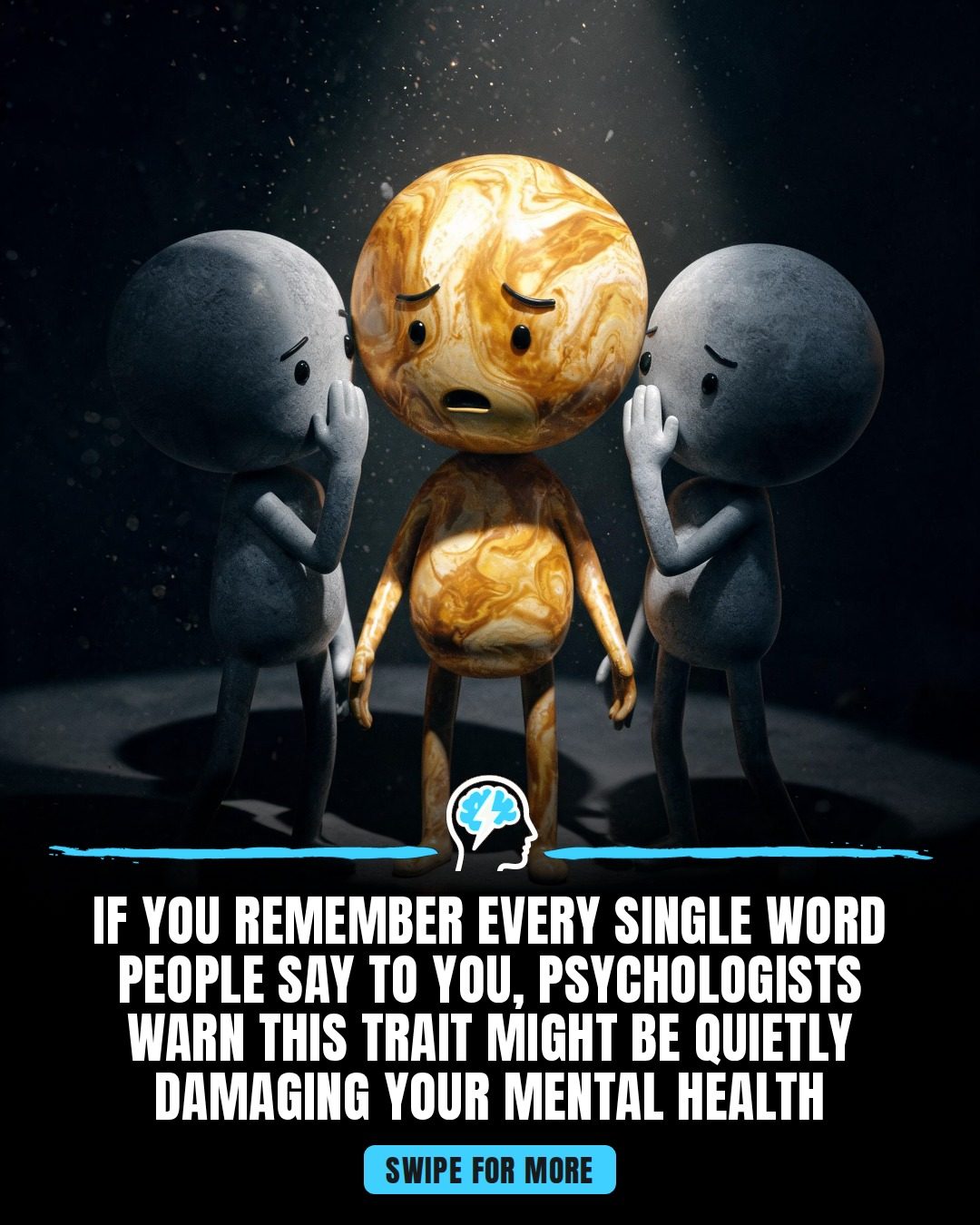
Memory and Mental Health
Memory is a complex and powerful force in our lives, shaping our perceptions, emotions, and interactions. While the ability to recall details vividly can seem like a superpower, it often feels more like a curse. Memory isn't just about remembering facts and figures; it's about the emotional weight we carry from past experiences. This load can have a profound impact on our mental well-being.
Context: Why This Matters
Understanding the interplay between memory and mental health is crucial. Many people find themselves replaying conversations, analyzing every word, and holding onto past wounds. This constant rumination can be detrimental, making it difficult to move forward and find peace.
Navigating the Complexity of Memory
The Burden of Perfect Recall
Perfect recall might sound advantageous, but it often comes with a hidden cost. People with this trait may find that old wounds stay fresh, not fading over time. They carry the weight of every broken promise, criticism, and betrayal. This emotional burden can be overwhelming, affecting their daily lives and relationships.
The Challenge of Trust
Trust is a delicate balance, especially when memory plays a significant role. When someone breaks your trust, it's not just the action that stings—but the memory of their words and actions that lingers. Forgiveness may come, but forgetting rarely does. This constant awareness of past betrayals can make rebuilding trust incredibly difficult.
The Weight of Emotional Memories
Emotional memories can feel heavier than anyone realizes. People may think you've moved on, but your mind quietly stores every compliment, criticism, apology, and betrayal. These memories can feel heavier than anyone realizes. The invisible emotional weight from past experiences can impact your well-being in profound ways.
The Path to Personal Growth
Growth starts with what you choose to keep. Protect the lessons your memory holds, but release the pain attached to them. The people who deserve a place in your future are the ones whose actions match the words you remember. By focusing on actions over words, you can decide who stays close and who doesn't.
Practical Tips
Choosing What Stays Loud
You don't have to forget the past, but you can choose what stays loud in your mind. Focus on the positive lessons and experiences, and let go of the pain. By consciously deciding what to remember and what to release, you can lighten your emotional load and find more peace.
Watching Actions, Not Just Words
Actions speak louder than words, especially when it comes to rebuilding trust. Pay attention to how people's actions align with their words. Consistency is key, and it's a better indicator of someone's reliability than their promises alone.
Releasing Painful Attachments
It's important to release the pain attached to your memories. Holding onto past hurts can hinder your ability to move forward and form healthy relationships. By letting go of the pain, you can protect the valuable lessons and keep the emotional weight from overwhelming you.
Let Actions Decide
Let consistency, not just memory, decide who stays close. The people who deserve a place in your future are the ones whose actions align with their words. By focusing on actions, you can rebuild trust and form stronger, more meaningful relationships.
Important Takeaways
Memory and mental health are deeply intertwined. Perfect recall, while it might seem like a superpower, often feels like a curse. The burden of remembering every word, the challenge of rebuilding trust, and the invisible emotional weight from past experiences can all impact your well-being. However, by choosing what stays loud, watching actions over words, and releasing painful attachments, you can lighten your emotional load and find more peace.
Conclusion
Memory is a powerful force, but it doesn't have to control your life. By understanding the complexities of memory and mental health, you can take steps to protect your well-being. Choose what stays loud, focus on actions over words, and release the pain attached to your memories. By doing so, you can navigate the challenges of memory and find a path to personal growth and emotional healing.
Watch the Reel
Questions readers ask
What is perfect recall and how does it impact mental health?
Perfect recall, often associated with Hyperthymesia, is the ability to remember an excessive amount of one's life in vivid detail. This can impact mental health by making it difficult to let go of past experiences, leading to constant rumination and emotional distress.
How does the constant replaying of past memories affect daily life?
Constantly replaying past memories can be emotionally exhausting, making it hard to focus on the present. This can lead to increased stress, anxiety, and depression, as well as difficulties in forming and maintaining relationships.
Can perfect recall make it difficult to rebuild trust, especially with yourself?
Yes, perfect recall can hinder rebuilding trust, particularly self-trust. Remembering every past mistake in vivid detail can reinforce negative self-image and make it challenging to forgive oneself and move forward.
What strategies can help manage the emotional weight of perfect recall?
Practicing mindfulness and living in the present moment are beneficial. Exploring cognitive-behavioral techniques, such as challenging negative thought patterns, can also help manage the emotional burden. Additionally, prioritizing self-care and seeking support from mental health professionals can be crucial.
Is it possible to learn to forget past experiences, even with perfect recall?
While it's challenging for someone with perfect recall to 'forget' experiences, they can learn to reduce the emotional impact. Techniques like recontextualizing memories, reframing negative experiences, and focusing on positive aspects of past events can help.
How can understanding the mental health effects of perfect recall help individuals better navigate their lives?
Understanding these effects can help individuals acknowledge the challenges they face and seek appropriate support. It can also motivate them to develop strategies for managing their memories and emotional responses, ultimately improving their mental well-being and quality of life.
Are there any benefits to having perfect recall, despite its challenges?
Yes, perfect recall can have benefits such as enhanced problem-solving skills and a rich personal history. However, it's important to balance these benefits with effective strategies for managing the emotional and mental health challenges that come with it.
Recent articles
Fresh deep dives from the latest Reels we unpacked.




Comments
Be the first to comment.