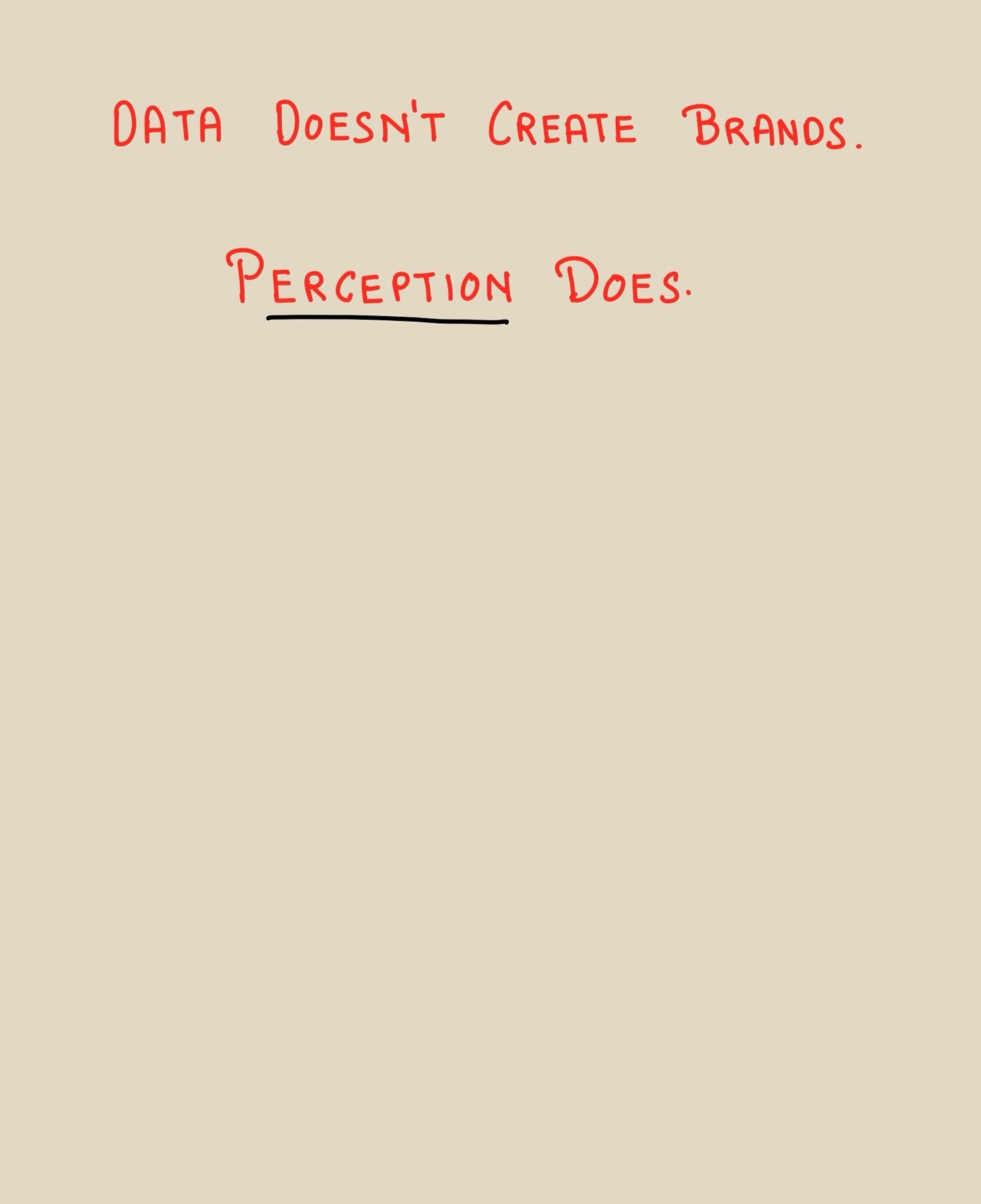
Perception vs. Data in Branding
Perception, not data, is the cornerstone of successful branding. This idea challenges conventional wisdom and invites a deeper understanding of how brands truly connect with consumers. Understanding the nuances of perception in branding can help businesses create more meaningful and impactful connections with their audiences.
Why This Matters
Perception drives consumer behavior and brand loyalty more significantly than raw data. While data provides valuable insights, it is the emotional and psychological impact of a brand's perception that ultimately determines its success. This is particularly relevant for businesses that are struggling to scale. Addressing a perception problem can be more effective than focusing solely on data metrics. Building a brand that resonates emotionally with consumers is essential for long-term growth and sustainability.
Main Discussion
The Role of Perception in Branding
Perception is the lens through which consumers view and interact with brands. It is shaped by a multitude of factors, including brand messaging, customer experiences, and societal influences. When a brand successfully creates a strong perception, it becomes more than just a product; it becomes an experience and a feeling. Examples of this include Nike, Tesla, and Zomato, all of whom excel at selling experiences rather than just products.
Nike: The Feeling of 'Just Do It'
Nike's iconic "Just Do It" slogan embodies the brand's perception of empowerment and motivation. When consumers buy Nike products, they are purchasing more than just athletic gear; they are buying into the idea of overcoming challenges and achieving greatness. This perception of empowerment drives brand loyalty and creates a sense of community among Nike's customers.
Tesla: The Future
Tesla's brand perception is deeply rooted in innovation and the future. Consumers see Tesla as a pioneer in electric vehicles and sustainable technology. The perception of owning a Tesla is associated with being forward-thinking, environmentally conscious, and embracing cutting-edge technology. This creates a strong emotional connection between the brand and its consumers, driving both sales and brand advocacy.
Zomato: Quirky, Relatable Storytelling
Zomato has mastered the art of quirky, relatable storytelling. Through its marketing strategies, Zomato positions itself as a fun, approachable brand that understands the nuances of food ordering and dining experiences. Customers don't just order food; they participate in a storytelling journey. This perception creates a unique and memorable experience, fostering brand loyalty and positive word-of-mouth.
Building a Perception-Driven Brand
To build a perception-driven brand, it is crucial to focus on the emotional and psychological aspects of consumer behavior. Here are some key steps to achieve this:
-
Define Your Brand's Core Values: Identify the core values and emotions that you want your brand to embody. These values should resonate with your target audience and create a strong emotional connection.
-
Consistent Brand Messaging: Ensure that your brand messaging is consistent across all channels. Consistent messaging reinforces the desired perception and creates a cohesive brand identity.
-
Customer Experience: Deliver exceptional customer experiences that align with your brand's core values. Positive customer experiences build trust and loyalty, reinforcing the desired perception.
-
Emotional Storytelling: Use storytelling to create an emotional connection with your audience. Relatable and engaging stories can make your brand more memorable and resonant.
-
Engage with Your Audience: Engage with your audience through social media, customer feedback, and other interactive platforms. Active engagement helps build a community around your brand and reinforces its perception.
Practical Tips
- Conduct Perception Audits: Regularly assess how your brand is perceived by your audience. Use surveys, focus groups, and social media analysis to gather insights.
- Leverage Customer Feedback: Utilize customer feedback to identify areas where your brand's perception can be improved. Addressing negative feedback proactively can enhance your brand's image.
- Innovate and Adapt: Stay ahead of the curve by continuously innovating and adapting to changing consumer trends. This helps maintain a fresh and relevant perception.
- Collaborate with Influencers: Partner with influencers and brand ambassadors who embody your brand's values. Their endorsement can significantly impact how your brand is perceived.
- Monitor Competitor Perception: Keep an eye on how your competitors are perceived and identify gaps that your brand can fill. This competitive analysis can provide valuable insights for enhancing your brand's perception.
Important Takeaways
Perception is the foundation of successful branding. It is the emotional and psychological connection that drives consumer behavior and brand loyalty. By focusing on building a strong perception, brands can create meaningful and impactful connections with their audience. Remember, perception is more than just data; it's about how people feel and experience a brand. This insight can guide businesses in creating a more emotionally resonant and sustainable brand identity.
Conclusion
In the dynamic world of marketing, perception reigns supreme. While data provides valuable insights, it is the emotional and psychological impact of a brand's perception that ultimately determines its success. By understanding and leveraging the power of perception, businesses can build stronger, more resilient brands that resonate with consumers on a deeper level. Focus on creating a perception-driven brand, and watch as your business scales to new heights.
Watch the Reel
Questions readers ask
How does brand perception influence consumer behavior?
Brand perception shapes how consumers feel and think about a brand, which in turn influences their purchasing decisions and overall behavior. A positive brand perception can foster trust, encourage repeat purchases, and enhance customer loyalty, while a negative perception can drive customers away. It is crucial to understand and manage brand perception to effectively guide consumer behavior.
What is the difference between data analysis and perception in marketing?
Data analysis provides quantitative insights into consumer behavior, such as sales numbers and website traffic. However, perception in marketing focuses on the qualitative aspects—how consumers feel, think, and perceive a brand. While data is essential for making informed decisions, perception is what drives emotional connections and long-term loyalty, making it a crucial component of successful brand strategies.
Why is addressing brand perception more effective for struggling businesses than focusing on data metrics?
Addressing brand perception can lead to deeper, emotional connections with consumers, which are often more challenging to achieve through data-driven strategies alone. By improving brand perception, struggling businesses can enhance their image, foster loyalty, and attract new customers, ultimately driving growth and success. This approach also helps in understanding the root causes of consumer behavior, rather than just the surface-level data.
How can emotional marketing leverage brand perception?
Emotional marketing leverages brand perception by creating campaigns and experiences that evoke strong feelings and memories in consumers. By tapping into emotions like joy, nostalgia, or empathy, brands can create lasting impressions that influence consumer decisions. This emotional connection helps to build a strong brand identity and fosters a deeper, more meaningful relationship with the audience.
What are some strategies for leveraging brand perception in consumer behavior?
Strategies for leveraging brand perception include consistent messaging that aligns with the brand’s values, creating engaging and memorable content, and fostering positive customer experiences. Additionally, understanding and responding to consumer feedback can help shape a positive perception, while visual branding and storytelling can further reinforce the brand’s identity and emotional appeal.
How does perception in branding affect brand growth?
Perception in branding plays a pivotal role in growth by influencing how potential customers view and interact with a brand. A strong, positive perception can attract new customers, encourage brand advocacy, and create a competitive advantage. Conversely, a negative perception can hinder growth by deterring potential customers and damaging the brand’s reputation. Therefore, focusing on perception is essential for sustainable brand growth.
How can businesses measure and manage brand perception?
Businesses can measure brand perception through consumer surveys, social media sentiment analysis, and net promoter scores (NPS). Understanding these metrics allows businesses to identify areas for improvement and implement strategies to enhance their brand perception. Regular monitoring and adjusting of these strategies can help businesses maintain a positive and influential brand image over time.
Recent articles
Fresh deep dives from the latest Reels we unpacked.




Comments
Be the first to comment.