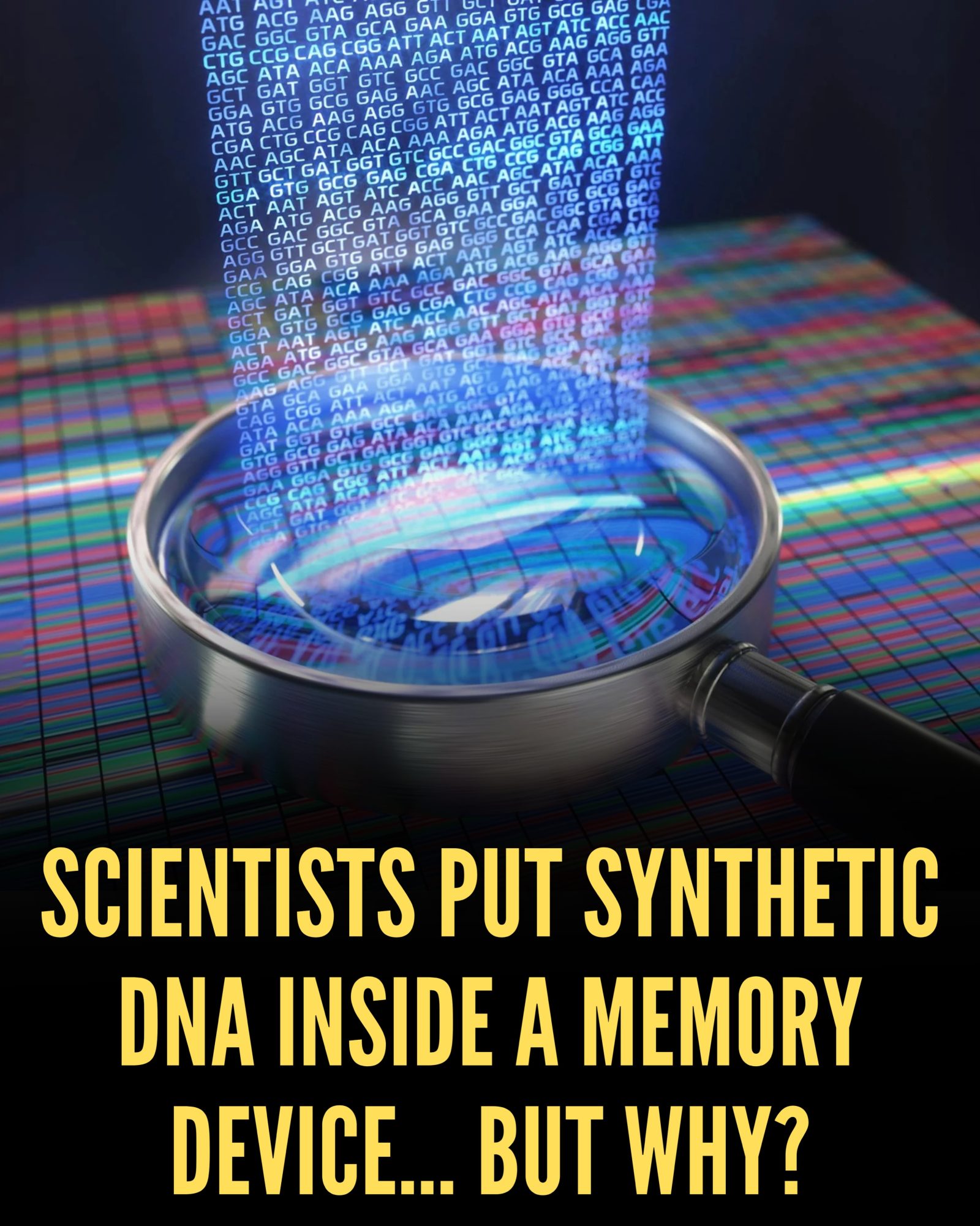
Embracing DNA's Storage Potential
DNA's role in storing genetic information is well-established, but its application in memory devices marks a new frontier. Researchers at Penn State have pioneered a way to use synthetic DNA strands coated in silver nanoparticles. These nanoscale particles enable electrical conductivity, transforming the DNA into a functional component of a memory device. This approach leverages the natural storage capabilities of DNA. By prodding the strands, molecular scientists can store information and toggle it between “OFF” and “ON” states, representing high and low resistance. Such a mechanism allows the device to remember, a fundamental trait of any memory system. The device in question is a memristor, a type of passive two-terminal electrical component that can be a more energy efficient and compact alternative to traditional memory chips. The memristor's ability to change resistance in response to electrical input mimics the function of a brain synapse, which can strengthen or weaken its connections based on neural activity. This bio-inspiration opens avenues for brain-like computing, where systems can learn and adapt over time, much like human brains. This duality of conducting electricity while retaining genetic information could revolutionize how we think about memory and data storage. Encoding data into DNA sequences allows for an exponential increase in information density, as DNA can store far more data than conventional silicon-based systems. Moreover, DNA's natural stability makes it a promising candidate for long-term data storage, resisting degradation over time.
Bridging Biology and Technology
This innovation bridges the gap between biology and technology, offering a glimpse into the future of computing. The device's design draws from biology, using DNA's information-carrying capacity and neural synapses' adaptive behavior to create a novel memory technology. Scientists are increasingly exploring the intersection of biology and technology, using biological principles to solve technological challenges. For example, researchers have developed DNA-based data storage systems that encode information in DNA sequences, allowing for vast amounts of data to be stored in a tiny space. Similarly, brain-inspired computing seeks to mimic the brain's neural networks to create more efficient and adaptive computing systems. The Penn State researchers' device embodies these principles. However, it also raises questions about the ethics and implications of merging biological and technological systems. The use of synthetic DNA in technology could have unintended consequences, such as environmental impacts or potential misuse of genetic information. It is a frontier that demands careful navigation, weighing the benefits against the risks.
Navigating the Ethical Landscape
The integration of synthetic DNA into memory devices also raises ethical considerations. While this technology promises to revolutionize data storage, concerns about data privacy and security loom large. As DNA carries genetic information, using it for data storage could inadvertently lead to genetic data leaks. Many people harbor profound concerns about genetic data breaches and misuse of data. Who would have access to this data? How can it be protected? Would this DNA-based storage alter the way we think about data privacy laws and regulations? Ensuring the ethical use of biological materials in technology is crucial. Researchers must address these questions and develop robust frameworks to govern the use of synthetic DNA in memory devices, ensuring that the technology is used responsibly and ethically. After all, the promise of synthetic DNA in memory devices also comes with a responsibility to safeguard the genetic information it carries.
Watch the Reel
Related deep dives
Similar reads based on topic and creator.



Recent articles
Fresh deep dives from the latest Reels we unpacked.

Comments
Be the first to comment.