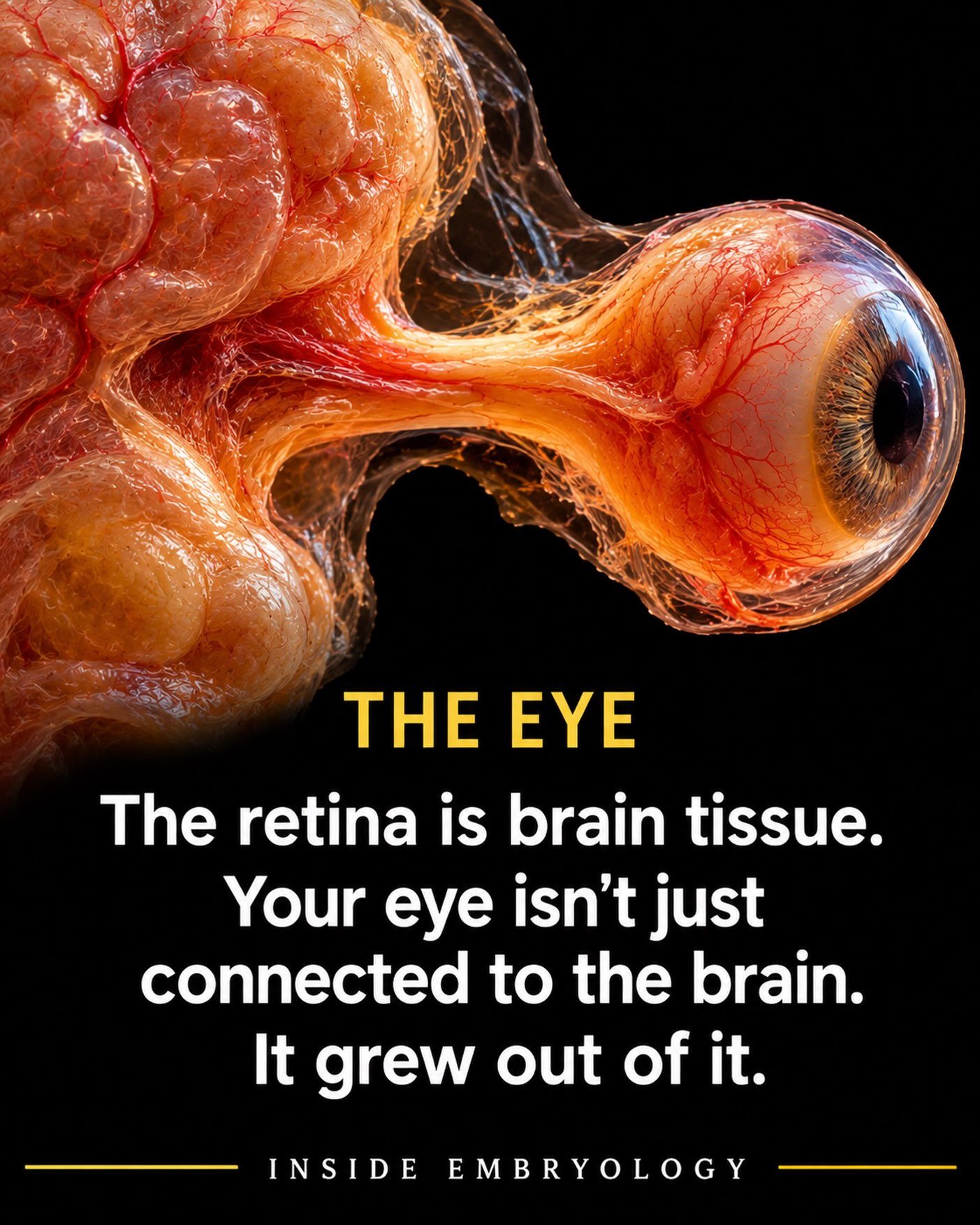
Retina: More Than Meets the Eye
The retina is an integral part of the brain. While it lines the back of the eye and converts incoming light into electro-chemical impulses, it also shares the same tissue as the brain. More than a mere transmission wire, the retina is an extension of the central nervous system. The retina is the brain’s direct extension to the eye. The retina helps the brain understand what the eyes see. This tissue is the brain’s seismograph. A sensor that senses light and sends electrical signals to the brain. The retina isn’t an isolated organ acting on its own. Rather, it is a specialized section of the brain.
The Hostage and the Jailer
Our sense of sight emerged from a section of the brain. It stemmed from an outward fold of the brain. Visual perception, in essence, is an externalized aspect of the brain’s function. The retina acts as a hostage inside the eye. A hostage from the brain. The retina is the brain’s jailer. And it is held captive inside the eye. We might be trapped on earth but our eyes and brains travel many light-years in the observable universe. These two organs are bound in a hostage crisis. The retina acts as both the jailer and the hostage.
The Forgotten Eye
The retina was once a part of the brain. It stemmed out of the brain's photoreceptor cells. Scientists believe the retina evolved from the skin’s surface. The eye is more than an equal partner with the brain. This is because the eye was once an organ of the brain. The eye had to leave the brain to pursue light. The retina is an extension of the nervous system – brain tissue. These facts are well hidden. From the retina, to the optic nerve, to the visual cortex, which combines the information from both eyes. Many texts and images reveal these facts. Despite this, few are aware of the retina’s special bond with the brain.
Watch the Reel
Related deep dives
Similar reads based on topic and creator.


Recent articles
Fresh deep dives from the latest Reels we unpacked.


Comments
Be the first to comment.