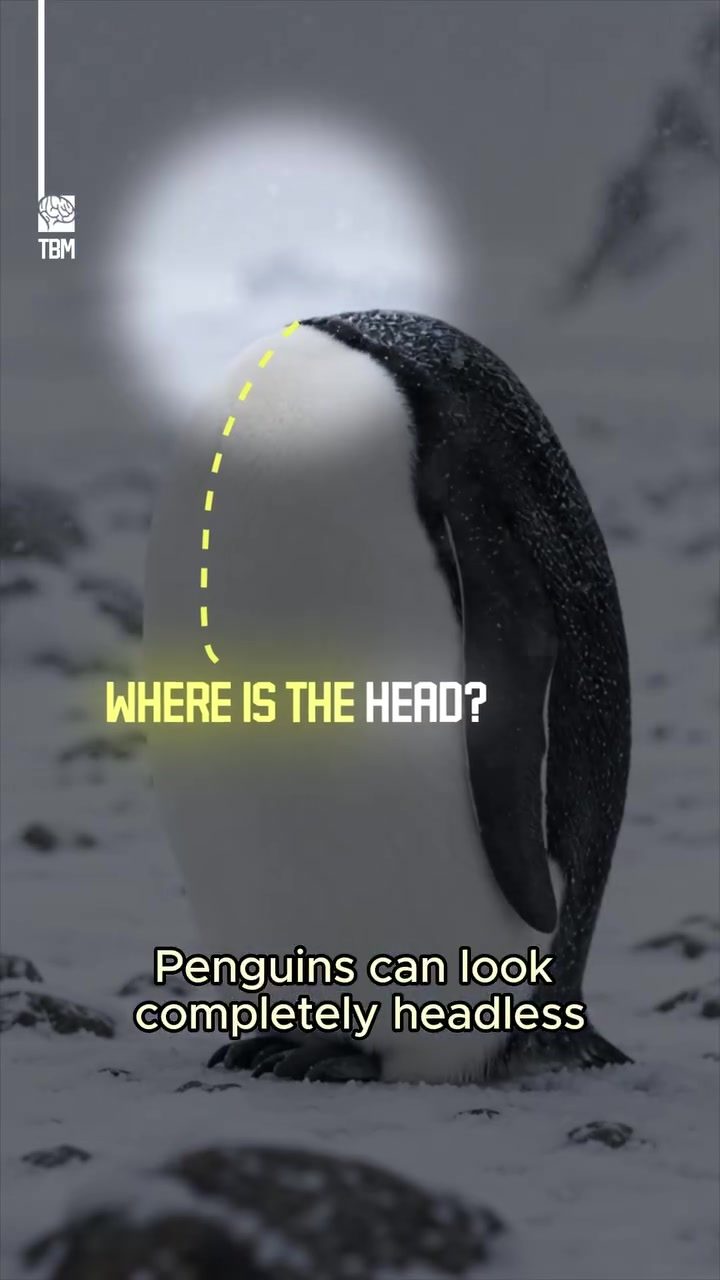
The Remarkable Adaptations of Penguins: Why They Appear Headless
Penguins are fascinating birds, known for their unique adaptations to life in some of the world's harshest environments. One of the most striking behaviors is their ability to appear completely headless when they sleep. This unusual sight is not just a peculiar quirk but a critical survival adaptation.
Why This Matters
Understanding how penguins adapt to their environment provides insights into the remarkable strategies animals use to thrive in extreme conditions. The headless appearance of penguins during sleep is a key part of their survival strategy, helping them conserve energy and stay safe in their icy habitats.
The Mystery of the Headless Penguin
The Sleeping Position
Penguins often twist their necks backward and tuck their beaks deep beneath the feathers on their backs during naps. From a distance, this position makes their heads seem to disappear, giving them an eerie, headless appearance. This behavior is not just for comfort; it serves a vital purpose.
Reducing Heat Loss
The primary reason penguins adopt this headless position is to reduce heat loss. The head and neck are among the least insulated parts of a penguin's body. By tucking their beaks beneath their feathers, penguins cover one of their least insulated areas, helping to retain body heat. This is crucial for their survival in the freezing conditions of the Antarctic.
Staying Alert
Some species of penguins take thousands of tiny naps throughout the day. These short naps add up to enough rest, allowing the penguins to stay alert to potential predators and harsh weather conditions. This unique sleeping pattern ensures that penguins can rest while remaining vigilant, a critical adaptation in their challenging environment.
The Importance of Efficient Sleep
Energy Conservation
Penguins' sleeping habits are essential for energy conservation. By taking short, frequent naps, they can conserve energy while still getting the rest they need. This strategy is particularly important in environments where food sources are scarce, and energy efficiency is crucial.
Predator Awareness
Staying alert while resting is a significant advantage for penguins. Predators such as leopard seals, killer whales, and various birds of prey pose a constant threat. By remaining somewhat alert during their naps, penguins can quickly respond to potential dangers, increasing their chances of survival.
Practical Tips for Observing Penguins
Choose the Right Time and Place
If you ever have the opportunity to observe penguins in their natural habitat, timing is crucial. Penguins are often most active during dawn and dusk, making these times ideal for spotting their unique behaviors. Look for colonies in areas like Antarctica, the Falkland Islands, or the subantarctic islands, where these birds thrive.
Be Patient and Quiet
Penguins are curious but cautious creatures. Give them space and avoid making sudden movements or loud noises. By being patient and quiet, you increase your chances of witnessing their natural behaviors, including their headless sleeping position.
Important Takeaways
Penguins' ability to appear headless is more than just a curious behavior; it's a critical survival adaptation. By tucking their beaks beneath their feathers, they reduce heat loss and conserve energy. Their unique sleep patterns also allow them to stay alert to predators and harsh weather conditions, making them one of the most resilient species on Earth.
Conclusion
The next time you see a penguin, take a moment to appreciate the remarkable adaptations that allow these birds to thrive in some of the world's harshest environments. Their headless appearance during sleep is just one of the many fascinating behaviors that make penguins such unique and resilient creatures.
Watch the Reel
Questions readers ask
Why do penguins tuck their heads under their feathers when they sleep?
Penguins tuck their heads under their feathers to minimize heat loss and conserve energy, which is crucial for their survival in the freezing conditions of the Antarctic. This behavior helps them maintain their body temperature and stay warm throughout the cold nights.
What is the significance of a penguin appearing headless while sleeping?
The headless appearance of penguins while sleeping is a crucial survival strategy. The headless position allows them to stay warm by reducing heat loss from their head and neck. It’s a way to blend in with the environment to avoid predators.
How does the headless sleeping position help penguins conserve energy?
By tucking their heads beneath their feathers, penguins reduce the amount of exposed skin, which minimizes heat loss. This energy-saving mechanism allows them to preserve body heat and reduce the amount of energy required to maintain their body temperature in the cold environment.
Do penguins remain alert while sleeping in this position?
Yes, penguins can remain alert to their surroundings even while sleeping in the headless position. This allows them to quickly respond to potential threats from predators or changes in weather conditions, ensuring their safety in the harsh Antarctic environment.
What other adaptations do penguins have to survive in freezing conditions?
In addition to their headless sleeping position, penguins have several other adaptations to survive in freezing conditions. These include a thick layer of insulating feathers, dense body fat, and a specialized countercurrent heat exchange system in their flippers and legs to retain heat.
How do penguins protect their beaks and necks from the cold?
Penguins protect their beaks and necks from the cold by tucking them beneath their feathers. This position helps them reduce the area of their body exposed to the cold, thereby minimizing heat loss and conserving energy. Their feathers provide excellent insulation, keeping these vulnerable parts warm and protected.
What role does the sleeping position play in predator avoidance for penguins?
The headless sleeping position helps penguins blend into their surroundings, making them less conspicuous to predators. By reducing their visible profile, they can avoid detection and potentially dangerous encounters with predators such as leopard seals and orca whales.
Related deep dives
Similar reads based on topic and creator.




Recent articles
Fresh deep dives from the latest Reels we unpacked.




Comments
Be the first to comment.