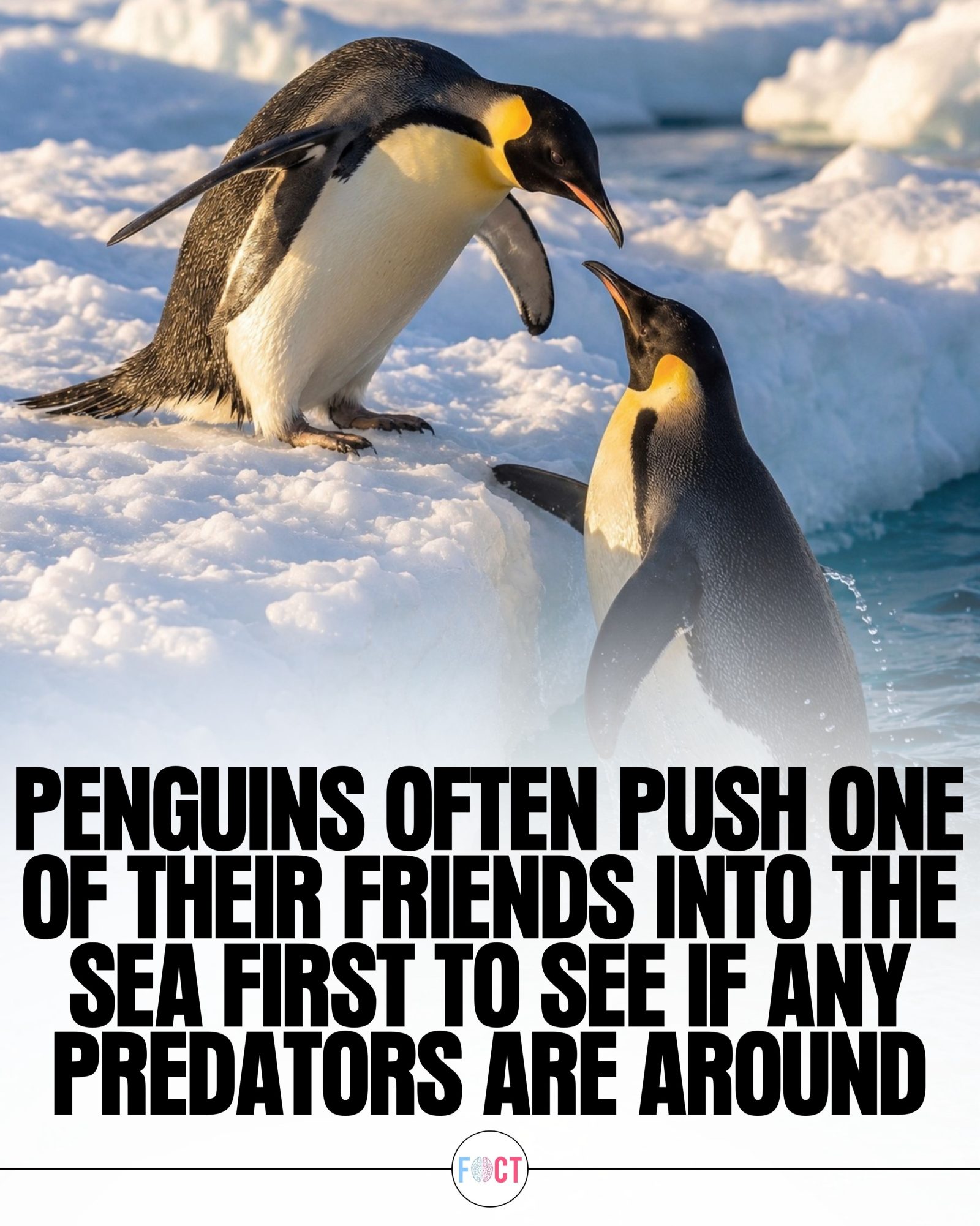
Penguins exhibit a fascinating behavior where they sometimes push one of their companions into the sea. This action is often misunderstood as a deliberate strategy to test for predators, such as seals. However, the actual reasons behind this behavior are more complex and intriguing.
Context
Before diving deeper into the specifics of penguin behavior, it's important to understand why this topic matters. Penguins are social animals that live in colonies, and their group dynamics offer insights into how animals adapt and survive in challenging environments. Studying their behaviors, such as pushing each other into the sea, can reveal a lot about their social structures, survival strategies, and the ecological pressures they face.
Main discussion
Misconceptions about Predator Testing
The popular idea that penguins intentionally push their companions into the sea to test for predators like seals is a misconception. This interpretation often arises because the behavior can look dramatic and purposeful. However, scientific research indicates that this behavior is more about the natural dynamics of the group rather than a calculated strategy. Penguins are cautious creatures, and their movement towards the water's edge is influenced by a mix of hesitation and the natural jostling within the group.
Crowding and Hesitation at the Water's Edge
Penguins often gather at the water's edge, where they jostle and edge forward. This crowding and hesitation are part of their natural behavior. The moment when a penguin is pushed into the water is often a result of this jostling rather than a deliberate act to check for predators. The group dynamics and the natural instincts of penguins to move cautiously into the water create a situation where one penguin might end up being pushed first.
The Role of Natural Movement
Instead of a deliberate strategy, the behavior of pushing a companion into the sea is more about the natural movement and group dynamics of penguins. Scientists have observed that this behavior is not a calculated sacrifice to test for danger. It is a part of their cautious and cautious approach to entering the water, where they need to maintain vigilance for predators.
The Scientfic Perspective
Scientific studies have not found conclusive evidence that penguins intentionally use one of their own as a "test subject" for danger. Instead, the behavior is better explained by the natural movement and hesitation within the group. Penguins are social animals, and their behavior often reflects the complex interplay of their social dynamics and the need to ensure the safety of the group as a whole.
A Dramatic But Misinterpreted Behavior
The moment when a penguin is pushed into the sea can look dramatic and calculated, leading to the misinterpretation that it is a deliberate strategy to test for predators. However, this interpretation oversimplifies the complex social and ecological factors at play. Understanding the true reasons behind this behavior requires a closer look at the natural movement and group dynamics of penguins, as well as the ecological pressures they face.
Practical tips
Observing Penguin Behavior
For those interested in observing penguin behavior, it's important to approach the topic with an understanding that their actions are more about natural movement and group dynamics rather than a deliberate strategy to test for predators. Watching penguins at the water's edge can provide valuable insights into their social structures and survival strategies. Pay attention to how they jostle and edge forward, and how the group dynamics influence their movements.
Understanding Group Dynamics
When observing penguins, focus on the group dynamics and how individuals interact within the colony. Penguins are social animals, and their behavior is heavily influenced by their social structures. Understanding these dynamics can provide a deeper appreciation for their survival strategies and the ecological pressures they face. Look for patterns in their movement and interactions to gain a better understanding of their natural behaviors.
Important takeaways
- The behavior of penguins pushing one another into the sea is more about natural movement and group dynamics rather than a deliberate strategy to test for predators.
- Penguins exhibit hesitation and crowding at the water's edge, which can lead to one being pushed into the sea.
- Scientific research does not support the idea that penguins intentionally use one of their own as a "test subject" for danger.
- Understanding the true reasons behind this behavior requires a closer look at the natural movement and group dynamics of penguins, as well as the ecological pressures they face.
Conclusion
Penguin behavior, such as pushing one another into the sea, is a fascinating aspect of their social dynamics and survival strategies. By understanding the true reasons behind this behavior, we can gain a deeper appreciation for the complex interplay of their social structures and the ecological pressures they face. Whether observing penguins in the wild or learning about them through scientific research, it's important to approach the topic with an understanding that their actions are driven by natural instincts and group dynamics, rather than a deliberate strategy to test for predators. The more we understand about penguin behavior, the more we can appreciate the intricate world of these remarkable creatures.
Watch the Reel
Questions readers ask
Why do penguins often hesitate to enter the water from land?
Penguins may hesitate to enter the water due to a combination of factors, including the presence of predators, the energy required to dive, and the comfort and safety of the group on land. This hesitation is part of their natural behavior and is influenced by environmental conditions, like crowding and natural jostling in the colony.
Is pushing another penguin into the sea a common behavior among penguins?
Yes, this behavior is observed in penguin colonies where the group pushes one penguin into the water. This is often misinterpreted as a predator test, but it is more likely a result of their social dynamics and the natural jostling that occurs within the group.
How do penguins decide who gets pushed into the water?
Penguins do not deliberately choose who gets pushed into the water. This behavior is more influenced by the natural crowding and pushing within the group, rather than a calculated decision to test for predators.
What are the main misconceptions about penguins pushing each other into the sea?
The primary misconception is that penguins push each other into the sea to test for predators, such as seals. However, recent observations suggest this behavior is more about social dynamics and natural group interactions.
Do penguins have specific strategies to avoid predators in the water?
Penguins have several strategies to avoid predators in the water, including swift swimming and staying in large groups. However, pushing each other into the water is not a recognized predator avoidance strategy.
What can penguin behaviors, like pushing each other into the sea, tell us about their social structures?
Observing behaviors like penguins pushing each other into the sea can provide insights into their social hierarchies and group dynamics. This behavior suggests a level of trust and cooperation within the colony, as well as the role of natural competition for resources.
Related deep dives
Similar reads based on topic and creator.




Recent articles
Fresh deep dives from the latest Reels we unpacked.




Comments
Be the first to comment.