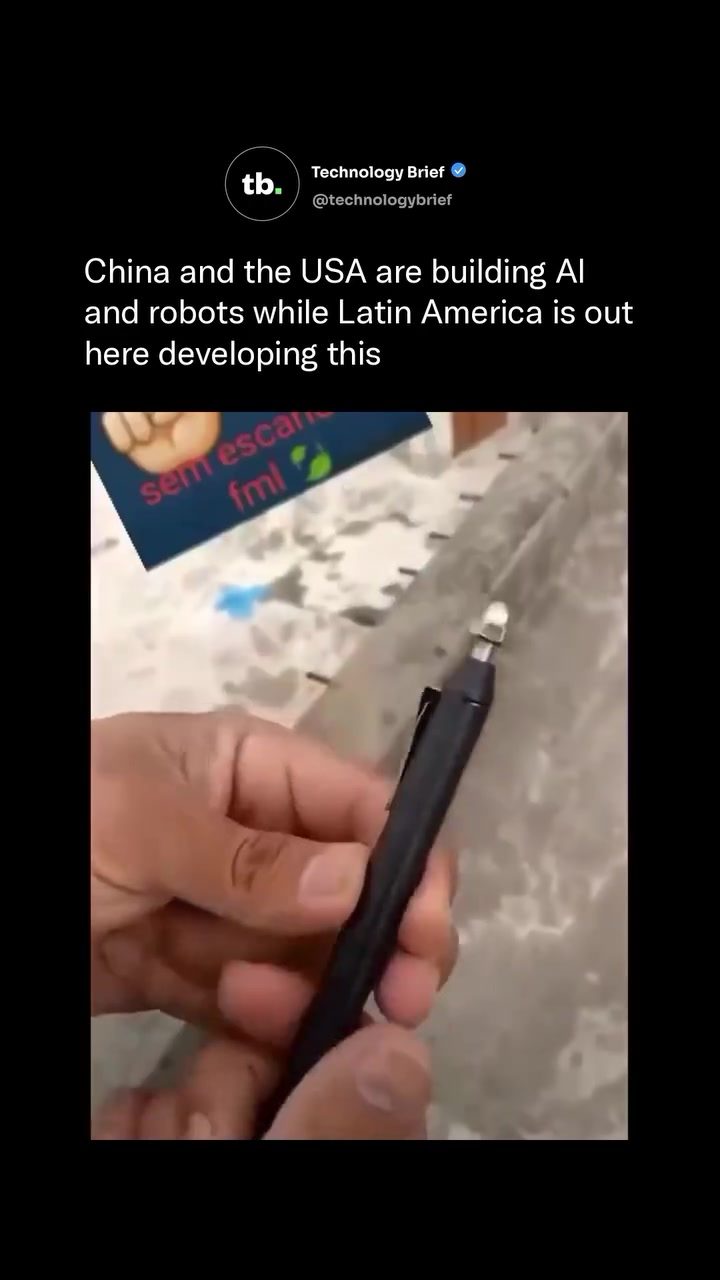
Pen Guns: Concealment, Function, and Legal Considerations
Pen guns are a unique type of firearm designed to resemble ordinary pens, offering a discreet way to carry a weapon. Their history, functionality, and legal status make them an intriguing subject for anyone interested in firearms, espionage, or law enforcement.
Context: Why This Matters
Understanding pen guns provides insight into the evolution of concealed weapons, the challenges of law enforcement, and the regulations surrounding unconventional firearms. This knowledge can be valuable for those in law enforcement, military personnel, and anyone curious about the intersection of technology and weaponry.
Main Discussion
History and Design
The pen gun, a single-shot firearm, has been in existence since the 1920s. Originally designed for spies and military operatives, these weapons were created to pass unnoticed in everyday situations. The pen is unscrewed to load a single bullet, and then reassembled to resemble an ordinary pen. The thin metal rod extending from the tip of the pen acts as the barrel, which retracts when not in use.
Pen guns typically fire small-caliber rounds like .22 or .25 ACP and are designed for one-shot use. Their main advantage is the concealment they offer, blending seamlessly with everyday office gear. However, they come with significant drawbacks, such as low accuracy, minimal power, and the slow process of reloading after the single shot is fired.
Types and Popularity
The most common type of disguised firearm is the pen gun. This is according to a law enforcement training guide used by police departments across the United States. Most models are chambered for small-caliber rounds, which makes them less powerful but easier to conceal.
Comparison with Modern Technology
The contrast between AI and robotics development in China and the USA versus Latin America highlights the disparity in technological advancements. While advanced nations focus on cutting-edge technology, the simplicity and effectiveness of pen guns remind us of the enduring relevance of basic yet ingenious designs.
Legal Considerations
In the United States, pen guns that can fire without being reconfigured are federally regulated as "Any Other Weapons" under the National Firearms Act. This means they require registration and a transfer fee to legally own. The legal complexities surrounding these weapons add another layer of interest, making them a subject of both curiosity and caution.
Practical Tips
Concealment and Detection
Pen guns are designed for maximum concealment. Their small size and pen-like appearance make them easy to carry and hide. However, detecting a pen gun can be challenging. The main signs to look for include:
- A pen that is heavier than usual
- A pen with a thick or unusual tip
- A pen that doesn't feel or write like a normal pen
Safety and Handling
Handling a pen gun requires the same level of caution as any other firearm. Always treat the pen as if it is loaded, and follow all safety protocols to prevent accidental discharge. Proper handling also ensures the weapon's longevity and reliability.
Legal Compliance
Before acquiring a pen gun, it is crucial to understand and comply with local and federal regulations. In the United States, this includes registration and obtaining any necessary permits. Always consult with a legal expert in your jurisdiction to ensure full compliance.
Important Takeaways
- Pen guns have been around since the 1920s and were designed for spies and military operatives.
- They are built to resemble ordinary pens and are single-shot firearms.
- Pen guns are regulated as "Any Other Weapons" under the National Firearms Act in the United States, requiring registration and a transfer fee.
- The main advantage of pen guns is concealment, but they come with low accuracy, minimal power, and a one-shot capacity.
- Always handle pen guns with the same caution as any other firearm and ensure compliance with local and federal laws.
Conclusion
Pen guns are a fascinating example of how weapon design can blend with everyday objects for concealment. Their history, design, and legal considerations offer a unique perspective on the world of firearms and espionage. Whether you're a law enforcement professional, a firearm enthusiast, or simply curious about unconventional weapons, understanding pen guns provides valuable insights into the intersection of technology and weaponry. Always prioritize safety and legal compliance when dealing with these unique firearms.
Watch the Reel
Questions readers ask
What are pen guns and how do they function?
Pen guns are compact firearms disguised as ordinary writing instruments. They function as single-shot guns, often requiring manual cocking and firing. Their design typically includes a hidden trigger and a small chamber for a single bullet, making them easy to conceal and carry.
Why might someone choose a pen gun over other concealed carry weapons?
Some individuals may choose a pen gun for its discreet appearance and compact size, making it an unassuming and easy-to-hide weapon. These characteristics can be particularly appealing for those in situations where overt firearm carriage is not desirable or feasible, such as law enforcement personnel undercover or individuals seeking a less conspicuous defense tool.
What is the history behind pen guns?
The concept of pen guns dates back to the 1920s, with designs evolving over the decades. They have been notably featured in espionage contexts, being used by spies and intelligence agents for their inconspicuous nature. Additionally, law enforcement has utilized these tools for covert operations, highlighting their role in both historical and contemporary scenarios.
Are pen guns legal to own and carry?
The legality of pen guns varies depending on jurisdiction. In many places, they are subject to the same regulations as other firearms, requiring proper licensing and permitting. Some regions may have specific laws or restrictions on disguised firearms, so it is crucial to check local regulations and obtain necessary permits before purchasing or carrying a pen gun.
How does the functionality of a pen gun compare to other firearms?
Pen guns are generally single-shot, which means they can only hold and fire one round at a time. This is a limitation compared to semi-automatic or multi-shot firearms. Additionally, the small size and hidden mechanisms can make pen guns less reliable and more difficult to handle, necessitating a specific technique for accurate and safe operation.
Can pen guns be detected by metal detectors or other security measures?
Pen guns, like other firearms, can be detected by metal detectors due to their metal components. However, their design may make them less conspicuous in visual inspections or pat-downs. Modern security measures, such as advanced screening technologies, may still identify pen guns, but their stealthy design can sometimes evade casual detection, contributing to their appeal in covert operations.
Do pen guns have any special features, such as built-in circuitry or advanced components?
Some pen guns incorporate intricate mechanisms, including concealed triggers and firing pins, to maintain their disguise. However, advanced features like built-in circuitry or sophisticated electronics are generally not part of traditional pen gun designs. Their functionality is primarily mechanical, focusing on simplicity and concealment rather than high-tech enhancements.
Recent articles
Fresh deep dives from the latest Reels we unpacked.




Comments
Be the first to comment.