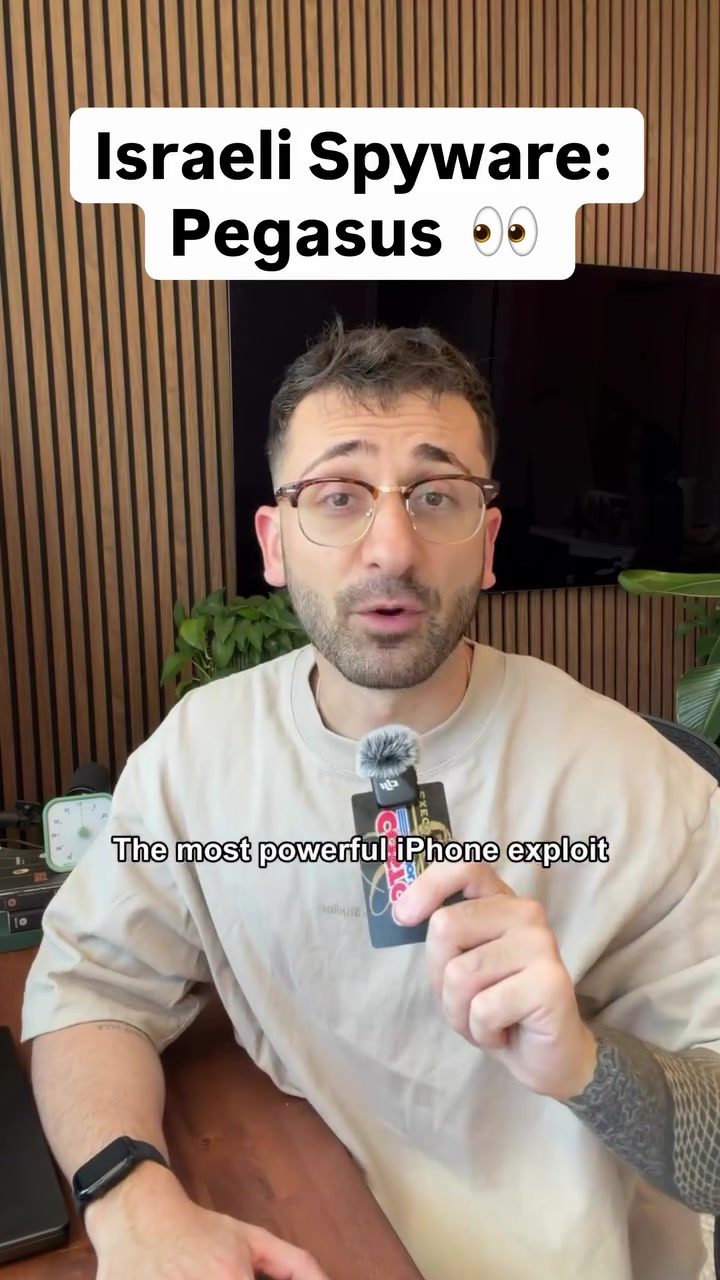
Cybersecurity and the Pegasus Spyware
Cybersecurity has long been a critical aspect of digital privacy, especially with the rise of mobile devices. Pegasus, a sophisticated spyware developed by an Israeli company called NSO Group, represents one of the most concerning threats to iPhone users. Built to infiltrate devices without user interaction, Pegasus has been sold to vetted government agencies with the pitch that it helps catch terrorists. However, the reality is much broader and more sinister.
Context / Why this matters
Cybersecurity threats have evolved significantly, and Pegasus exemplifies this evolution. Traditional cyberattacks, such as phishing, malicious links, and social engineering, require user interaction. Pegasus, on the other hand, operates as a zero-day exploit, meaning it targets vulnerabilities that are unknown to the software vendor. This makes it incredibly difficult to detect and mitigate. The implications of such sophisticated spyware are far-reaching, affecting not just high-profile targets but also everyday users who might be unwittingly exposed.
The Mechanics of Pegasus
Pegasus operates by exploiting vulnerabilities in the iPhone's software. When an attacker sends a message to a target's phone, the spyware can infiltrate the device before the notification even appears on the screen. This allows the attacker to access the device's camera, microphone, messages, photos, and location data without the user ever knowing. The sophistication of this exploit was highlighted by Google's Project Zero, which called it one of the most technically advanced exploits they had ever seen.
The organization that first exposed how Pegasus worked was Citizen Lab, a research group out of the University of Toronto. They have been tracking the NSO Group since 2016 and have provided critical insights into the spyware's capabilities and targets.
The Targets of Pegasus
The primary targets of Pegasus were initially thought to be high-profile individuals, including terrorists. However, it was later revealed that the targets included journalists, lawyers, human rights activists, and even high-ranking officials like Emmanuel Macron. This leak exposed the broader use of Pegasus, contradicting NSO's pitch that their software was solely for catching terrorists. The implications of such widespread surveillance are alarming, raising questions about privacy, ethics, and the role of government surveillance.
Practical Tips
Given the sophistication of Pegasus and similar threats, it's crucial to understand how to protect your iPhone. Here are some practical steps you can take:
Keep Your Software Up to Date
One of the most effective ways to protect your iPhone is to keep your software up to date. Exploits like Pegasus often target known vulnerabilities that have been patched in newer software versions. While keeping your software updated is not a foolproof solution, it significantly reduces the risk of falling victim to such attacks.
Enable Lockdown Mode
For users with a real reason to worry, such as journalists or activists, enabling Lockdown Mode on your iPhone is a prudent step. Lockdown Mode is designed to protect against highly targeted cyberattacks by severely restricting certain features and functionality. While it may affect the user experience, it provides an additional layer of security.
Consider Alternative Devices
Switching to an Android device won't save you from Pegasus, as NSO Group has a version of the spyware called Chrysaor, which is used to target Android devices.
Important Takeaways
The threat posed by Pegasus highlights the need for vigilance in the digital age. While traditional cybersecurity measures like strong passwords and avoiding suspicious links are still crucial, they are not enough to protect against advanced threats like Pegasus. Understanding the mechanisms of such spyware and taking proactive steps to safeguard your device are essential in today's landscape.
Conclusion
Cybersecurity is a dynamic field, and threats like Pegasus underscore the need for constant vigilance and adaptation. By keeping your software up to date, enabling Lockdown Mode, and staying informed about the latest threats, you can better protect yourself from sophisticated spyware. The evolution of cyber threats requires a corresponding evolution in cybersecurity practices, ensuring that your digital privacy remains intact in an increasingly connected world.
Watch the Reel
Questions readers ask
What is Pegasus spyware and how does it work?
Pegasus spyware is a highly advanced tool developed by the Israeli company NSO Group. It works by exploiting vulnerabilities in iPhone software, allowing it to infiltrate devices without any user interaction, such as clicking a malicious link. Once inside, it can access a wide range of data and device functions, including the camera and microphone.
Who uses Pegasus spyware and for what purposes?
Pegasus spyware is primarily sold to government agencies around the world. While it was initially marketed as a tool to catch terrorists, investigations have revealed that it has been used to target journalists, human rights activists, and political dissidents. The spyware's use raises significant concerns about digital privacy and human rights.
What makes Pegasus spyware a significant threat to iPhone users?
Pegasus spyware is a significant threat because it can infiltrate iPhones without the user's knowledge or interaction. Once inside, it can access sensitive data and control various functions of the device, such as the camera and microphone, all while remaining undetected.
How does Pegasus spyware differ from traditional cyberattacks?
Unlike traditional cyberattacks, such as phishing or social engineering, which require user interaction, Pegasus spyware operates as a zero-day exploit. This means it takes advantage of unknown vulnerabilities in the iPhone's software to gain access to the device without any user action.
What are the implications of the Pegasus spyware leak?
The Pegasus spyware leak has shed light on the widespread use of this invasive tool by various governments. It has sparked global conversations about digital privacy, surveillance, and the need for stronger regulations on the use of spyware. The leak has also led to investigations and lawsuits against the NSO Group.
Related deep dives
Similar reads based on topic and creator.


Recent articles
Fresh deep dives from the latest Reels we unpacked.




Comments
Be the first to comment.