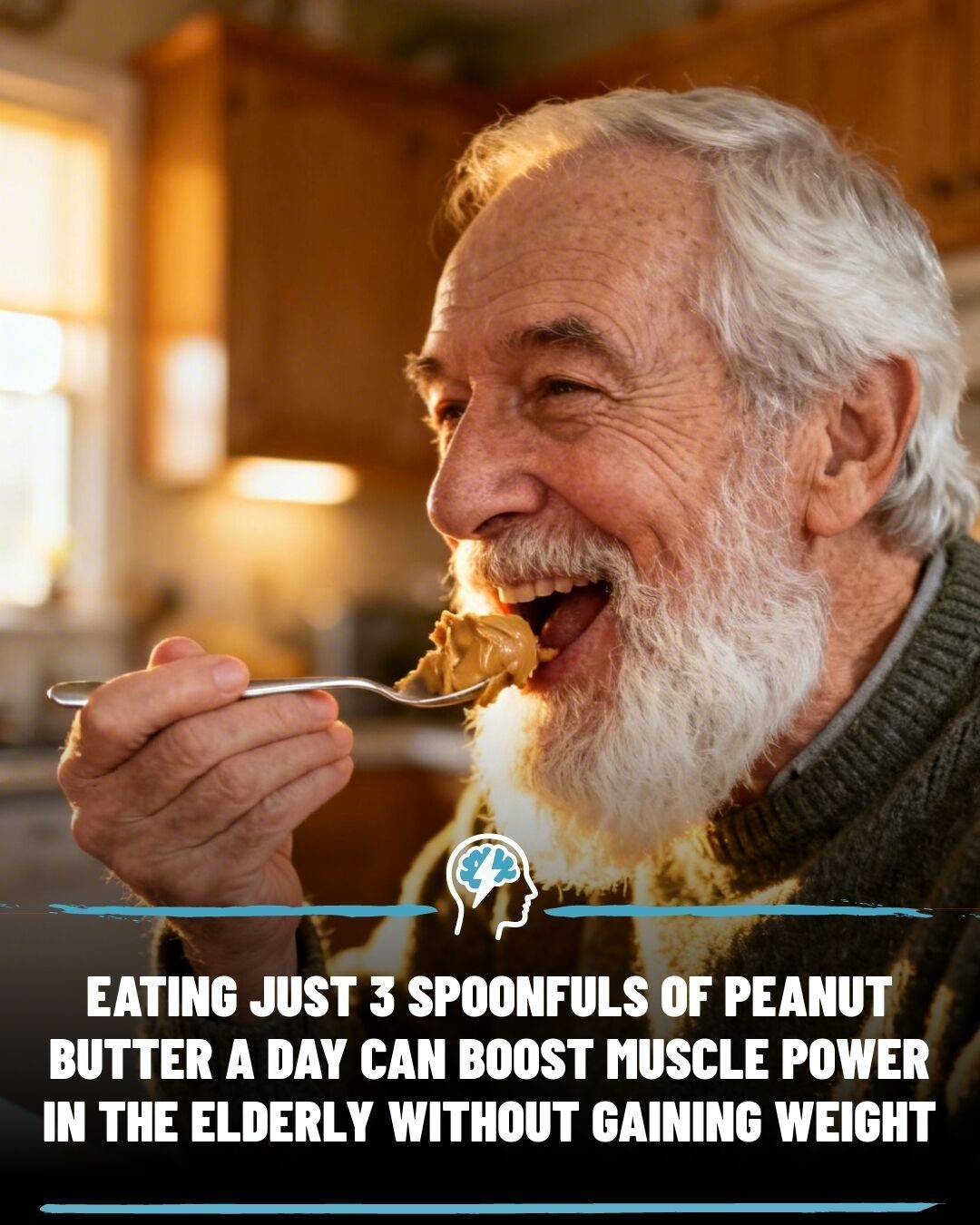
Peanut Butter and Muscle Power in the Elderly
Peanut butter, a staple in many households, has been gaining attention for its potential benefits in maintaining muscle power and mobility in older adults. Recent research suggests that incorporating peanut butter into daily meals can support muscle health, particularly in individuals aged 66 to 89 who are at elevated risk for falls.
Why This Matters
As we age, maintaining muscle power and mobility becomes increasingly important. Falls and related injuries are a significant concern for the elderly, leading to reduced quality of life and increased healthcare needs. Diet plays a crucial role in supporting overall health, and certain foods, like peanut butter, can offer specific benefits for muscle maintenance.
The Science Behind Peanut Butter and Muscle Power
The Study and Its Findings
A six-month randomized controlled trial involved 120 adults aged 66 to 89. Participants at elevated risk for falls were divided into two groups. One group consumed about three tablespoons of natural peanut butter daily, while the other maintained their usual diet. The results were striking: those who consumed peanut butter showed meaningful improvements in lower-body muscle power.
Measuring Muscle Power
The study used a sit-to-stand test to measure muscle power. Participants in the peanut butter group completed this test approximately 1.2 seconds faster than the control group. This improvement, coupled with an average increase of 22 watts in muscle power, suggests real functional benefits for daily activities like getting up from a chair.
Nutritional Benefits of Peanut Butter
Peanuts are naturally rich in protein and leucine, an amino acid essential for muscle building and repair. Adding roughly 10 grams of protein daily through peanut butter intake did not cause weight gain, despite the extra 250 calories. This highlights the importance of nutritional quality over quantity in muscle maintenance.
Practical Tips for Incorporating Peanut Butter into Daily Meals
Simple and Delicious Ways to Enjoy Peanut Butter
- Spread It On: Use peanut butter as a spread on whole-grain toast or crackers for a quick and nutritious snack.
- Mix It In: Add a spoonful of peanut butter to your morning oatmeal or smoothie for an extra protein boost.
- Dip It: Pair peanut butter with fresh fruits like apple slices or celery sticks for a healthy and satisfying snack.
- Smoothie Bowls: Top your smoothie bowl with a dollop of peanut butter for added flavor and texture.
Recipe Idea: Peanut Butter Banana Smoothie
Blend one ripe banana, a cup of milk, a tablespoon of peanut butter, and a handful of ice cubes for a creamy and nutritious smoothie. This recipe is not only delicious but also packed with protein and essential nutrients.
Important Takeaways
While peanut butter offers significant benefits for muscle power, it is essential to understand its limitations. The study found no significant changes in walking speed, grip strength, overall leg strength, or body composition. Peanut butter supports specific aspects of muscle function but is not a complete solution. Results can vary based on individual activity levels, overall diet, and health status.
Complementing Your Diet
Peanut butter can complement, not replace, other healthy habits. Staying active and maintaining a balanced diet are crucial for overall health. Always consult a healthcare provider before making significant changes to your nutrition plan.
Quality Over Quantity
The quality of nutrition plays a significant role in muscle maintenance. Natural peanut butter provides high-quality protein and other essential nutrients without causing weight gain. Focus on the nutritional value of your food choices for better health outcomes.
Conclusion
Incorporating natural peanut butter into your daily routine can have tangible benefits for muscle power and mobility, especially in older adults. The research underscores the importance of dietary choices in supporting healthy aging. While peanut butter offers specific benefits, it should be part of a balanced diet and active lifestyle. Enjoy the delicious taste and nutritional advantages of peanut butter as part of a holistic approach to maintaining muscle health.
Watch the Reel
Questions readers ask
How much peanut butter should an older adult consume daily to support muscle power?
The article suggests that a daily portion of peanut butter can help maintain muscle power in older adults. However, it does not specify an exact amount. It is recommended to start with a small serving, such as one tablespoon and gradually increase as needed while keeping track of total daily calories. Always consult with a healthcare provider before making significant changes to your diet.
Can peanut butter replace other protein sources in an elderly diet?
While peanut butter can provide a significant amount of protein, it should not entirely replace other protein sources. A balanced diet includes a variety of protein-rich foods like lean meats, fish, eggs, and legumes. Peanut butter can be a convenient and tasty addition to a varied diet.
What are the benefits of peanut butter for older adults besides muscle power?
Peanut butter offers a range of benefits, including being a good source of healthy fats, fiber, and essential vitamins and minerals. It also provides a quick and easy way to add calories for those who may struggle with a reduced appetite. This can be particularly helpful for older adults who struggle to maintain a healthy weight.
Is peanut butter suitable for older adults with specific dietary needs?
While peanut butter is beneficial for many, it may not be suitable for everyone. Those with nut allergies should avoid it. Additionally, it is high in calories, so those managing their weight should consume it in moderation. For those with specific dietary needs or health conditions, it's important to consult with a healthcare provider or a dietitian.
How does peanut butter help prevent falls in older adults?
Peanut butter can support muscle power and mobility, which are crucial for maintaining balance and stability. By incorporating peanut butter into their daily diet, older adults may help reduce their risk of falls and related injuries, thus improving their overall quality of life.
Can peanut butter benefit older adults who are not at risk for falls?
Yes, peanut butter can be beneficial for all older adults, not just those at risk for falls. It can help maintain muscle power and mobility, contributing to enhanced overall health and well-being. As we age, muscle maintenance becomes important for general mobility and energy levels.
What are some easy ways to incorporate peanut butter into a daily diet?
Peanut butter can be added to a variety of foods and meals. For instance, it can be spread on toast, mixed into oatmeal, or used as a dip for fruits and vegetables. It can also be added to smoothies or used in recipes for an extra boost of protein and healthy fats. For older adults, choosing creamy peanut butter can be easier to chew and swallow.
Related deep dives
Similar reads based on topic and creator.



Recent articles
Fresh deep dives from the latest Reels we unpacked.




Comments
Be the first to comment.