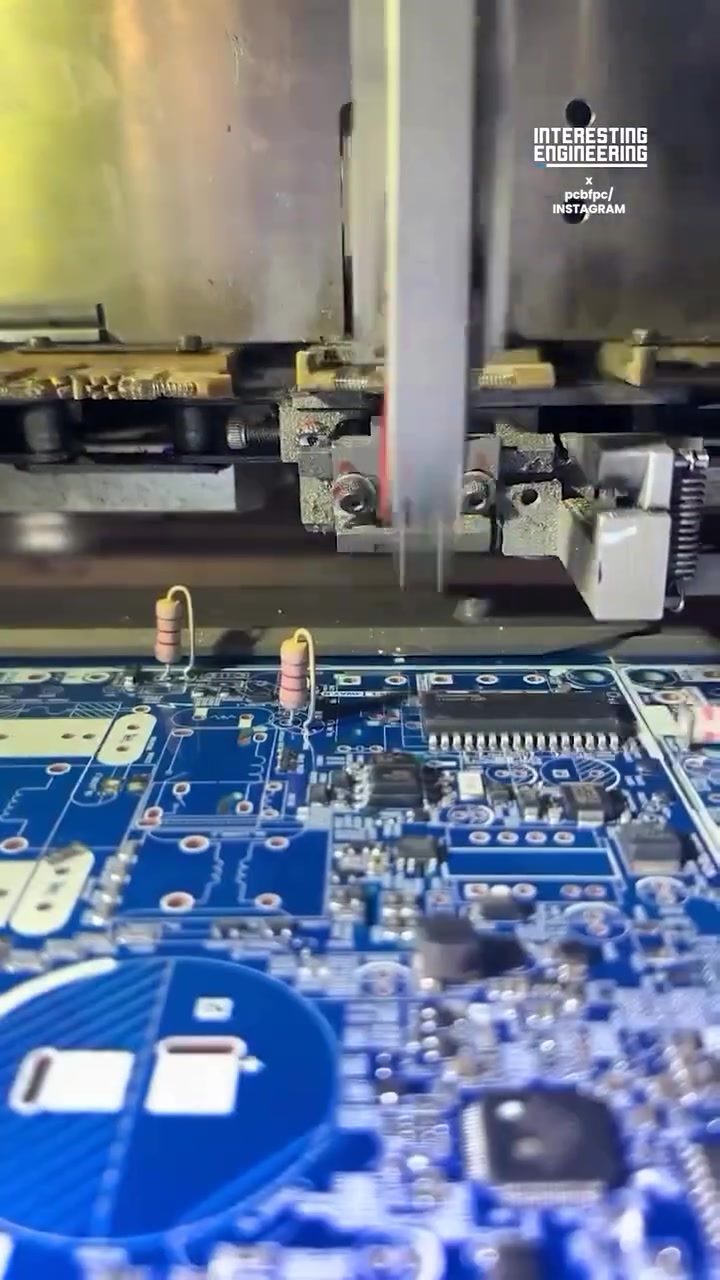
PCB Assembly Automation: The Future of Electronics Manufacturing
PCB assembly machines represent a leap forward in electronics manufacturing. By automating the process of placing components onto circuit boards, these machines significantly enhance both the speed and accuracy of production. This shift towards automation is revolutionizing the way electronics are made, ensuring consistent quality and increasing efficiency.
Context: Why Automated PCB Assembly Matters
The demand for high-quality, high-speed electronics is ever-growing. From smartphones to medical devices, the reliability and performance of electronic components are crucial. Traditional manual assembly methods, while still used in certain niches, cannot keep up with the pace of modern production requirements. Enter automated PCB assembly machines, which use robotic arms and high-precision techniques to place components with incredible speed and accuracy.
Main Discussion
The Evolution of PCB Assembly
Automated PCB assembly has evolved significantly over the years. Initially, manual soldering and component placement were the norm. This process, while effective, was time-consuming and prone to human error. With the advent of automated machines, the industry saw a dramatic shift. Robotic arms, programmed to follow precise instructions, can place components with exacting precision, dramatically reducing the margin for error.
Components of a PCB Assembly Machine
The core components of a PCB assembly machine include:
- Robotic Arms: These are the workhorses of the machine. Equipped with advanced sensors and software, they can handle a wide range of components, from tiny resistors to larger integrated circuits.
- Programmable Logic Controllers (PLCs): These controllers manage the overall operation of the machine, ensuring that each step of the assembly process is executed flawlessly.
- High-Precision Placement Heads: These are the tools that actually place the components onto the circuit board. They are designed to handle the delicate nature of electronic components, ensuring that they are positioned correctly without causing damage.
The Role of High-Precision Manufacturing
High-precision manufacturing is at the heart of PCB assembly automation. The ability to place components with micron-level accuracy is crucial for ensuring that the final product meets the required standards. This precision is achieved through a combination of advanced robotics, precise software programming, and high-quality materials. The result is a circuit board that performs reliably and consistently.
Practical Tips
Choosing the Right PCB Assembly Machine
When selecting a PCB assembly machine, several factors should be considered:
- Versatility: Ensure the machine can handle a variety of component types and sizes. This will make it more adaptable to your production needs.
- Speed and Accuracy: These are the hallmarks of a good assembly machine. Look for machines that offer high-speed operation without compromising on precision.
- Ease of Use: The machine should be user-friendly, with intuitive controls and clear programming options. This will help reduce downtime and increase productivity.
- Maintenance and Support: Reliable after-sales support and maintenance services are crucial. Ensure that the manufacturer offers comprehensive support to keep your machine running smoothly.
Optimizing the Assembly Process
To get the most out of your PCB assembly machine, consider these tips:
- Regular Maintenance: Regularly inspect and maintain the machine to prevent breakdowns. This includes cleaning the robotic arms, checking the PLCs, and ensuring that all components are in good working order.
- Software Updates: Keep the machine's software updated to benefit from the latest improvements and features. Software updates can enhance the machine's performance, speed, and precision.
- Operator Training: Ensure that your staff are well-trained in operating the machine. Proper training can minimize errors and maximize efficiency. Regular refresher courses can also help keep the team's skills sharp.
Quality Control
Quality control is paramount in PCB assembly. Regular inspections and testing should be conducted to ensure that the circuit boards meet the required standards. This includes visual inspections, electrical testing, and functional testing. Automated quality control systems can further enhance the process, ensuring that any defects are detected and rectified promptly.
Important Takeaways
Automated PCB assembly machines are transformative tools in the electronics manufacturing industry. They offer unmatched speed, precision, and reliability, making them indispensable in modern production lines. By investing in these machines and following best practices, manufacturers can significantly enhance their production capabilities and meet the growing demand for high-quality electronics.
Conclusion
The future of electronics manufacturing lies in automation. PCB assembly machines are at the forefront of this revolution, offering solutions that traditional methods cannot match. By leveraging these advanced technologies, manufacturers can achieve higher production volumes, reduce errors, and enhance the overall quality of their products. Whether you are a seasoned manufacturer or new to the industry, embracing automation is the key to staying competitive in the ever-evolving world of electronics.
Watch the Reel
Questions readers ask
What are the primary benefits of using PCB assembly machines in electronics manufacturing?
PCB assembly machines offer several key benefits, including increased production speed, enhanced accuracy in component placement, and consistent quality across all products. These machines ensure that the high demands of modern electronics, from smartphones to medical devices, are met efficiently.
How do PCB assembly machines improve the accuracy of circuit board assembly?
PCB assembly machines use advanced automation to place components with high precision, reducing the risk of human error. This results in more reliable electronic devices and fewer defects, which is particularly crucial for high-volume PCB assembly.
What types of electronics benefit most from high-speed PCB assembly?
High-speed PCB assembly is invaluable for a range of electronics, including smartphones and medical devices. These industries demand consistent quality and high production volumes, making automated PCB assembly a strategic necessity.
Can PCB assembly machines handle the unique requirements of medical device manufacturing?
Yes, PCB assembly machines are well-equipped to handle the stringent requirements of medical device manufacturing. They ensure precise component placement and consistent quality, which are vital for the reliability and performance of medical devices.
How do PCB assembly machines enhance production efficiency in electronics manufacturing?
By automating the PCB assembly process, these machines significantly reduce the time and labor required for production. This automation leads to faster turnaround times and increased overall efficiency, allowing manufacturers to meet the growing demand for electronic components.
What role does technology play in modern PCB assembly machines?
Advanced technology is at the core of modern PCB assembly machines. These machines utilize cutting-edge automation and precision engineering to enhance the speed and accuracy of the PCB assembly process, making them indispensable in contemporary electronics manufacturing.
Related deep dives
Similar reads based on topic and creator.


Recent articles
Fresh deep dives from the latest Reels we unpacked.




Comments
Be the first to comment.