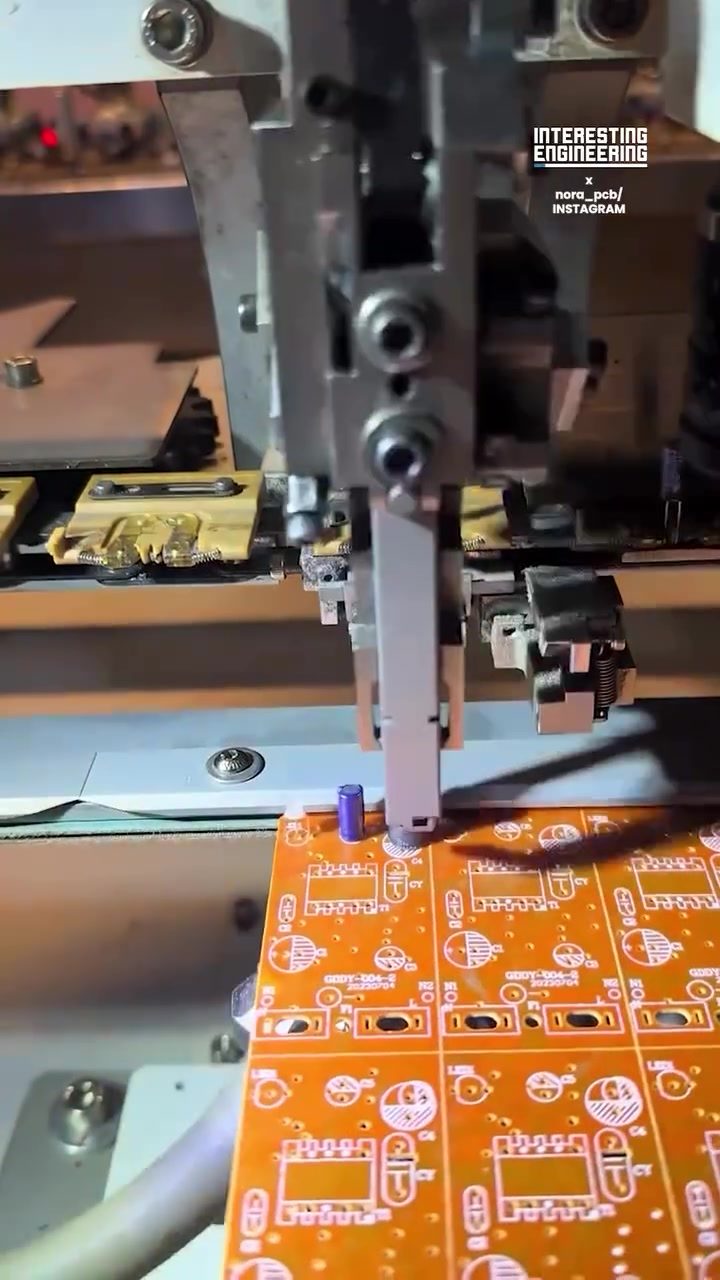
PCB Assembly Automation
PCB assembly automation has revolutionized the electronics manufacturing industry, enhancing production speed, accuracy, and overall efficiency. This process involves the precise placement of electronic components onto printed circuit boards (PCBs) using automated machines. These machines handle the intricate task of feeding, cutting, and inserting component leads into pre-drilled holes, preparing the PCB for secure soldering in later manufacturing stages.
Why This Matters
The advent of automated PCB assembly has significantly impacted the electronics manufacturing sector. In an era where consumer demand for electronic devices is ever-increasing, the need for efficient and precise manufacturing processes is paramount. Automated PCB assembly machines have become indispensable tools for electronics manufacturers, enabling them to meet high-volume production demands while maintaining stringent quality standards.
Main Discussion
The Role of Automated Through-Hole Insertion Machines
Automated through-hole insertion machines are a cornerstone of PCB assembly automation. These machines excel at placing radial electronic components onto PCBs with a high level of precision. The process involves several crucial steps:
- Feeding: The machine picks up the electronic components and positions them accurately.
- Cutting and Aligning Leads: Once the component is in place, the machine cuts and aligns the leads to the correct length.
- Inserting into Drilled Holes: The leads are then inserted into the pre-drilled holes on the PCB.
- Preparing for Soldering: This precise placement prepares the PCB for secure soldering, whether through wave soldering or selective soldering methods.
Benefits of Automated PCB Assembly
The shift from manual to automated PCB assembly offers numerous advantages. Firstly, automated machines significantly enhance production speed. Manual assembly, while precise, is time-consuming and prone to human error. Automated machines can handle thousands of components per hour, drastically reducing the time required to assemble a single PCB.
Accuracy is another critical benefit. Automated machines ensure that components are placed with a high degree of precision, minimizing the risk of misplaced or misaligned components. This level of accuracy is essential for the reliable performance of electronic devices, where even the smallest error can lead to significant issues.
Enhancing Mechanical Strength
Automated PCB assembly also enhances the mechanical strength of the final product. Precise placement and secure insertion of component leads into drilled holes ensure a robust connection. This mechanical strength is vital for the longevity and durability of electronic devices, especially those subjected to harsh conditions or frequent use.
Preparing for High-Volume Manufacturing
In high-volume electronics manufacturing, the efficiency of the assembly process is crucial. Automated PCB assembly machines are designed to handle large-scale production, making them ideal for manufacturers producing high volumes of electronic components. The machines can operate continuously, reducing downtime and increasing overall productivity.
Practical Tips
For manufacturers considering automated PCB assembly, several practical tips can help ensure a smooth transition:
Choosing the Right Machinery
Selecting the right automated PCB assembly machine is critical. Factors to consider include the type of components being assembled, the complexity of the PCB design, and the production volume. It's essential to choose a machine that can handle the specific needs of your manufacturing process.
Training and Maintenance
Investing in the right machinery is only part of the equation. Proper training for operators and regular maintenance of the machines are equally important. Regular maintenance ensures that the machines operate at their optimal performance, reducing the risk of downtime and ensuring consistent quality.
Quality Control
Implementing a robust quality control system is essential. This includes regular inspections of the assembled PCBs to ensure that components are correctly placed and aligned. Quality control measures can help identify and rectify any issues early in the manufacturing process, ensuring a high-quality final product.
Important Takeaways
- Precision and Efficiency: Automated PCB assembly machines offer unparalleled precision and efficiency, making them essential for high-volume electronics manufacturing.
- Mechanical Strength: The process enhances the mechanical strength of the final product, ensuring durability and reliability.
- Cost-Effectiveness: While the initial investment in automated machinery can be high, the long-term benefits in terms of increased production speed and reduced errors make it a cost-effective solution.
Conclusion
PCB assembly automation has transformed the electronics manufacturing landscape. With its ability to enhance production speed, accuracy, and mechanical strength, automated PCB assembly is an invaluable tool for modern manufacturers. As the demand for electronic devices continues to grow, the role of automated PCB assembly machines will become even more critical, driving innovation and efficiency in the industry.
Watch the Reel
Questions readers ask
What is PCB assembly automation and how does it work?
PCB assembly automation involves using machines to place electronic components on printed circuit boards (PCBs). These machines handle tasks like feeding, cutting, and inserting component leads into pre-drilled holes, ensuring precise and efficient preparation for soldering. The process significantly enhances production speed and accuracy.
How does PCB assembly automation improve production speed?
PCB assembly automation boosts production speed by efficiently placing components on PCBs at a rapid pace. Automated machines can handle high-volume demands consistently and accurately, reducing the time required to complete each board, which is crucial for meeting tight production schedules. This speed is achieved through robotic precision, ensuring that components are accurately placed and aligned.
What types of PCB assembly processes can be automated?
Through-hole PCB assembly and surface-mount PCB assembly are the primary processes that can be automated. Through-hole assembly involves inserting components into pre-drilled holes, while surface-mount assembly involves placing components directly onto the surface of the PCB. Both processes benefit from automation, which ensures precise and consistent component placement.
What are the key benefits of using automated PCB assembly machines?
Key benefits include increased production speed, enhanced accuracy, and improved overall efficiency. Automated machines can handle high volumes of PCB assembly with consistent precision, reducing errors and rework. This leads to cost savings and the ability to meet high demand periods effectively.
How does robotic PCB placement enhance manufacturing efficiency?
Robotic PCB placement enhances manufacturing efficiency by performing tasks with high precision and speed. Machines can operate continuously, reducing downtime and the need for manual intervention. This consistency and reliability in component placement lead to fewer defects and a smoother production flow, ultimately boosting overall efficiency.
What role do automated machines play in high-volume PCB production?
Automated machines are essential in high-volume PCB production as they can handle large-scale manufacturing tasks with consistent precision. They ensure that components are placed accurately and efficiently, meeting the high demand for electronic devices. Automated machines reduce the likelihood of human error, ensuring that every PCB produced meets the required standards, which is crucial for maintaining high-quality production.
Can automated PCB assembly handle complex PCB designs?
Yes, automated PCB assembly can handle complex PCB designs. Automated machines are programmed to manage intricate layouts and a wide range of component types, including fine-pitch and high-density interconnect components. This capability ensures that even the most complex designs are assembled with the same level of precision and efficiency as simpler designs, maintaining production standards.
Related deep dives
Similar reads based on topic and creator.


Recent articles
Fresh deep dives from the latest Reels we unpacked.




Comments
Be the first to comment.