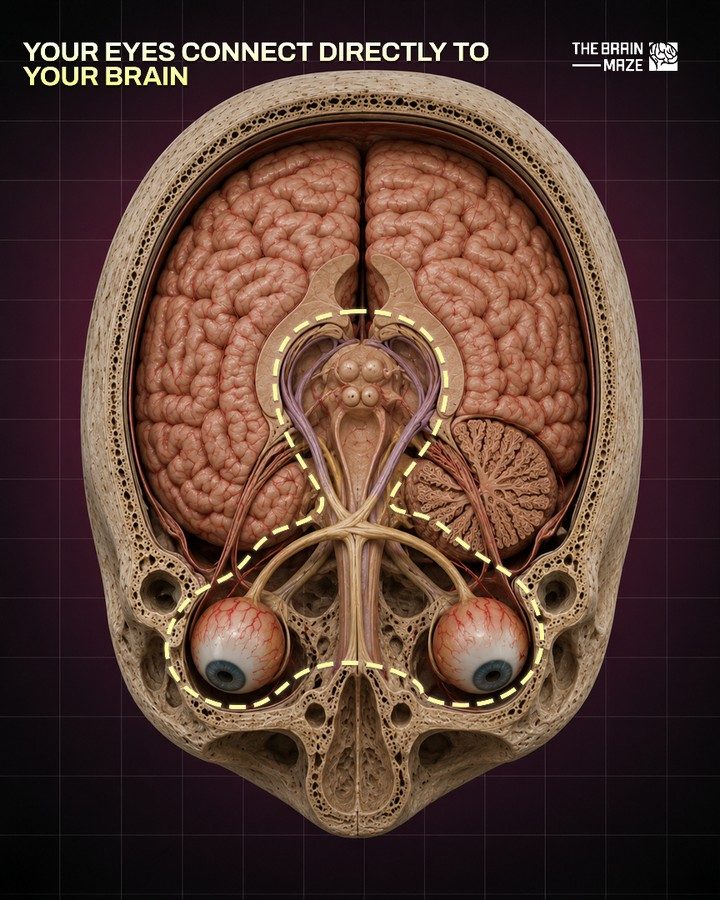
The Connection Between the Eyes and the Brain
The relationship between the eyes and the brain is a fascinating and intricate one. The eyes do not send images directly to the brain; instead, they transmit electrical signals. These signals travel through the optic nerves, partially cross at the optic chiasm, and then continue to the visual cortex. This pathway is crucial for processing color, shape, depth, and motion into the images we perceive every day. This complex process allows both eyes to work together, creating a single, detailed view of the world.
Why This Matters
Understanding the connection between the eyes and the brain is essential for appreciating how we perceive our environment. The brain processes visual information from the eyes, allowing us to navigate the world effectively. This process is not only fascinating but also crucial for various aspects of daily life, from driving to reading to interacting with others.
The Visual Pathway
The Optic Nerves
The optic nerves play a critical role in transmitting visual information from the eyes to the brain. Located at the back of the eye, the optic nerves carry electrical signals generated by the retina. These signals are the result of light hitting the photoreceptors in the retina, which then convert the light into electrical impulses.
The Optic Chiasm
The optic chiasm is a crucial junction where the optic nerves from both eyes partially cross. This crossing allows the brain to integrate visual information from both eyes, enabling binocular vision. The optic chiasm ensures that each side of the brain receives information from both eyes, facilitating depth perception and a comprehensive field of view.
The Visual Cortex
After passing through the optic chiasm, the electrical signals continue to the visual cortex, located in the occipital lobe at the back of the brain. The visual cortex is responsible for interpreting the electrical signals into meaningful visual information. This region processes various aspects of vision, including color, shape, depth, and motion.
The Role of the Visual Cortex
The visual cortex is a highly specialized area of the brain dedicated to processing visual information. It contains several layers of neurons that work together to decode the electrical signals sent from the eyes. The visual cortex is divided into different regions, each responsible for processing specific aspects of visual information, such as color, form, and motion.
Processing Color and Form
One of the primary functions of the visual cortex is to process color and form. Specialized neurons in the visual cortex respond to different wavelengths of light, allowing the brain to perceive a wide range of colors. Other neurons are sensitive to the shape and size of objects, enabling the brain to recognize and distinguish between different forms.
Depth Perception and Motion
The visual cortex also plays a crucial role in depth perception and motion. By integrating information from both eyes, the brain can perceive depth and distance, which is essential for tasks like grasping objects or navigating through space. Additionally, the visual cortex contains neurons that respond to moving objects, allowing the brain to track motion and predict the trajectory of moving stimuli.
Practical Tips
Understanding the connection between the eyes and the brain can provide valuable insights into maintaining good vision and overall eye health.
Maintain a Balanced Diet
A balanced diet rich in vitamins and minerals is essential for maintaining good vision. Foods high in omega-3 fatty acids, such as fish and nuts, and those rich in antioxidants, like leafy greens and colorful fruits, can support eye health.
Regular Eye Check-Ups
Regular eye check-ups are crucial for detecting any potential issues early. An optometrist or ophthalmologist can perform comprehensive eye exams to assess visual acuity, eye coordination, and overall eye health.
Protect Your Eyes from Harmful Light
Protecting your eyes from harmful light, such as ultraviolet (UV) rays, is important for maintaining good vision. Wearing sunglasses with UV protection and avoiding prolonged exposure to bright screens can help safeguard your eyes.
Important Takeaways
The intricate connection between the eyes and the brain involves a complex pathway of electrical signals that travel through the optic nerves, cross at the optic chiasm, and continue to the visual cortex. This pathway allows the brain to process visual information, enabling us to perceive color, shape, depth, and motion. Recognizing the importance of this process can help individuals take proactive steps to maintain good eye health and vision.
Conclusion
The brain and eye connection is a critical aspect of human perception. By understanding how the eyes transmit electrical signals to the brain and how the visual cortex processes this information, we can gain a deeper appreciation for the complexity of visual perception. Taking care of your eyes through a balanced diet, regular check-ups, and protecting them from harmful light can help ensure optimal vision and overall eye health.
Watch the Reel
Questions readers ask
How do the eyes and brain communicate to create visual perception?
The eyes and brain work together through a series of electrical signals. The eyes convert light into electrical impulses, which travel through the optic nerves and optic chiasm to the brain's visual cortex. This process enables the brain to construct the images we perceive.
What is the role of the optic chiasm in the vision process?
The optic chiasm is a crucial intersection where the optic nerves from each eye partially cross. This crossing allows the brain to integrate visual information from both eyes, enabling depth perception and a unified view of the world.
What is the function of the optic nerve in vision?
The optic nerve is responsible for transmitting electrical signals from the retina to the brain. These signals contain information about color, shape, and motion, which the brain then processes into coherent images.
How does the brain process visual information?
The brain processes visual information in the visual cortex, located at the back of the brain. Here, electrical signals from the eyes are translated into meaningful visual perceptions, allowing us to understand and interact with our surroundings.
Why is it important to understand how eyes and brain work together for vision?
Understanding this process helps us appreciate how we navigate daily tasks like reading and driving. It also provides insights into how visual impairments might affect perception and how to address them.
What happens if there is a disruption in the pathway between the eyes and the brain?
Disruptions in this pathway, such as damage to the optic nerve or visual cortex, can lead to visual impairments. These can include loss of vision, blurred vision, or difficulties in processing visual information, impacting daily activities.
Related deep dives
Similar reads based on topic and creator.



Recent articles
Fresh deep dives from the latest Reels we unpacked.




Comments
Be the first to comment.