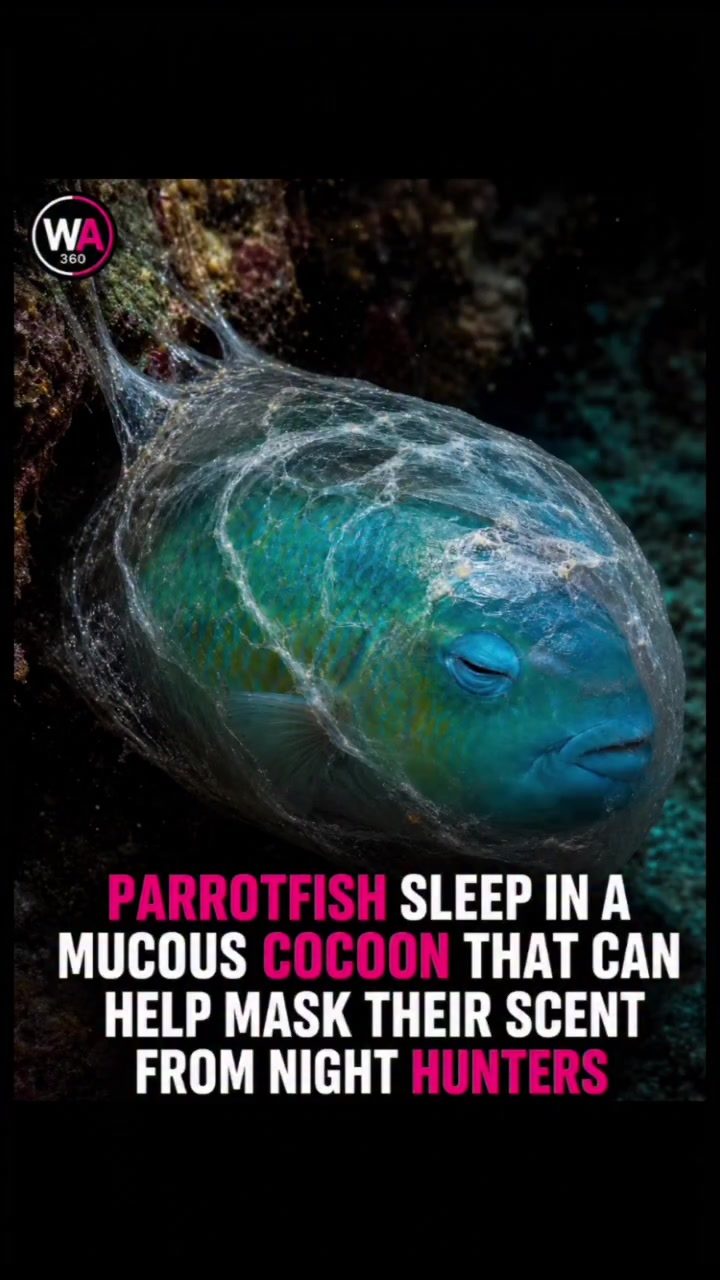
Parrotfish: The Marine Marvels of the Night
Parrotfish exhibit a remarkable and unique survival strategy, showcasing nature's ingenuity at its finest.
Why This Matters
Parrotfish are not just known for their colorful appearances and powerful beaks; their nighttime behavior is equally intriguing. Understanding their survival tactics offers insight into the complex adaptations that sustain marine life in the ocean.
Main Discussion
Parrotfish are a fascinating species in the vast ocean. They are vibrantly colored, have strong, beak-like mouths, and play a crucial role in maintaining coral reefs by consuming algae. Their daytime activities are well-documented, but their nighttime survival strategies are what truly set them apart.
A Secret Weapon for Survival
Every night, a parrotfish wraps itself inside a transparent mucous cocoon before settling down to sleep. This cocoon serves as a remarkable defense mechanism, making the fish much harder for nighttime predators such as moray eels and sharks to detect.
The mucous cocoon is not just a physical barrier; it also masks the fish's natural scent. This olfactory camouflage is an essential strategy for parrotfish, as many marine predators rely heavily on their sense of smell to locate prey.
Researchers believe that this cocoon provides additional benefits. It might offer protection against parasites and other harmful organisms. These small, nocturnal threats are less likely to infiltrate the mucous layer, ensuring the parrotfish remains healthy and safe while it rests. This double-layered defense—a physical barrier and a sensory shield—is a testament to the parrotfish’s evolved survival tactics.
The Parasite Barrier
While the primary function of the mucous cocoon is to mask the fish's scent from predators, it also acts as a barrier against parasites. Marine parasites, such as isopods and copepods, can be a significant threat to fish. They can attach to the fish's skin, causing irritation, damage, and even disease. The cocoon helps to prevent these parasites from attaching to the fish, providing an additional layer of protection during vulnerable sleep periods.
Many fish species have evolved various defense mechanisms against parasites, such as specialized skin secretions or physical behaviors. The parrotfish’s mucous cocoon is a unique and highly effective adaptation, showcasing how nature has finely tuned its defenses against various threats.
The Intelligence of Nature
The parrotfish’s nightly "sleeping bag" is a fascinating example of nature’s intelligence. This behavior is not something that parrotfish are taught; it is an instinctual survival strategy passed down through generations. It highlights the incredible ways in which wildlife evolves to survive in challenging environments.
Practical Tips
For those interested in observing marine life, especially parrotfish, the following tips can enhance your understanding and appreciation of these magnificent creatures.
Patience and Timing
Observing parrotfish, especially their nighttime behaviors, requires patience. The best time to see a parrotfish in its mucous cocoon is during the night. However, this is challenging to do in a natural setting. Many divers and snorkelers choose to observe these fish during the day, when they are actively grazing on algae and coral. Night dives, if available, offer a unique perspective on nocturnal behaviors, though they come with their own set of challenges and require proper training and equipment.
Respect the Environment
When observing marine life, it’s crucial to respect the environment and the creatures that inhabit it. Avoid touching or disturbing the coral reefs and marine creatures. Remember that even the slightest disruption can have a significant impact on these delicate ecosystems.
Important Takeaways
The parrotfish’s mucous cocoon is a testament to the intricate and often hidden adaptations that marine life has developed over millennia. Understanding these behaviors helps us appreciate the complexity and resilience of marine ecosystems. Here are the key points to remember:
- Parrotfish wrap themselves in a transparent mucous cocoon to mask their scent from predators and protect against parasites.
- This behavior showcases the remarkable adaptations that marine life has evolved to survive in challenging environments.
- Observing these behaviors requires patience and respect for the marine environment.
Conclusion
The parrotfish’s nighttime survival strategy is a marvel of nature, demonstrating the extraordinary ways in which marine creatures adapt to ensure their survival. The use of a mucous cocoon to mask scent and protect against parasites is a clear example of nature’s brilliance. By understanding and appreciating these adaptations, we can gain a deeper respect for the ocean and its inhabitants.
Watch the Reel
Questions readers ask
How do parrotfish use mucous cocoons for protection?
Parrotfish create transparent mucous cocoons around themselves at night. These cocoons serve a dual purpose: they mask the fish's scent, making it difficult for predators to detect them, and they act as a physical barrier, deterring predators from attacking.
What makes parrotfish unique in the ocean?
Parrotfish are unique for their vibrant colors, powerful beaks, and extraordinary nighttime defense mechanism. They stand out among marine species by wrapping themselves in mucous cocoons to evade predators while they sleep.
What is the function of the mucous cocoon in parrotfish?
The mucous cocoon produced by parrotfish serves as a protective shield. It masks their scent, making it harder for predators to locate them, and provides a physical barrier that can deter potential threats during the night.
How do parrotfish defend themselves from predators at night?
At night, parrotfish defend themselves from predators by enveloping their body in a transparent mucous cocoon. This cocoon helps to conceal their scent, making it challenging for predators to sense their presence, and physically deters attacks.
What are the benefits of the transparent mucous cocoon for parrotfish?
The transparent mucous cocoon offers parrotfish several benefits. It hides their scent, making them less detectable to predators, and its physical presence can deter predators from attacking. Additionally, the cocoon allows the fish to sleep undisturbed, ensuring they are well-rested for the next day.
Related deep dives
Similar reads based on topic and creator.




Recent articles
Fresh deep dives from the latest Reels we unpacked.




Comments
Be the first to comment.