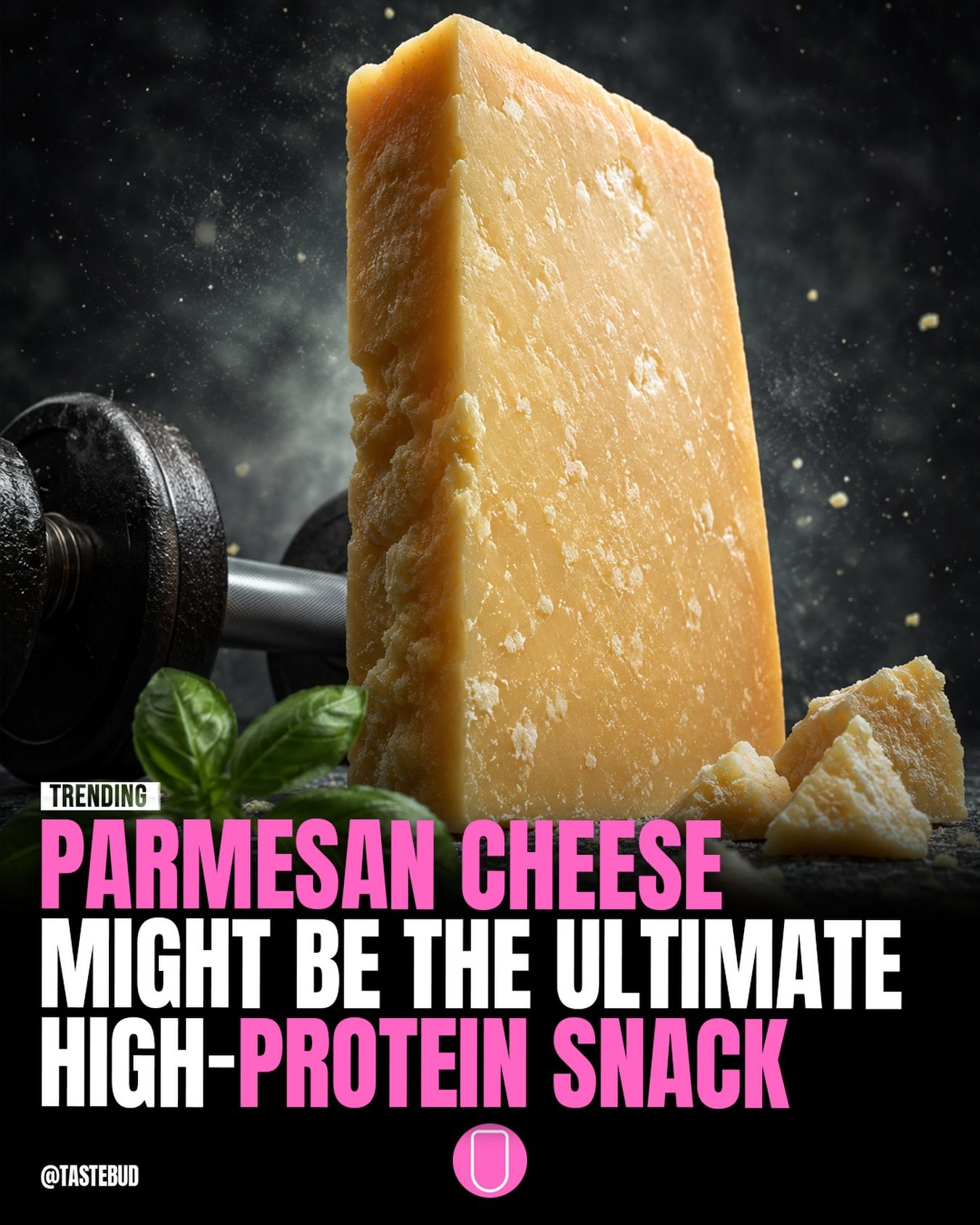
Parmesan Cheese as a High-Protein Snack
Parmesan cheese is often celebrated for its rich, nutty flavor, but it also stands out as one of the most protein-dense natural foods available. With around 35 grams of protein per 100 grams, it surpasses many commercial protein bars. This high protein content, combined with its low water content and concentrated nutrients, makes Parmesan a filling and satisfying snack option. Traditional Parmesan is crafted from simple ingredients like milk, salt, and rennet, without added sugars or oils, enhancing its reputation as a nutritious and straightforward food choice.
Why This Matters
For those who enjoy working out or are on a protein-rich diet, food choices matter. Protein is essential for muscle repair and growth, and it helps keep you feeling full and energized. When it comes to natural protein sources, few can match the protein density of Parmesan cheese. This makes it an excellent choice for snacking, especially for those looking to boost their protein intake without resorting to processed protein supplements.
The Nutritional Power of Parmesan Cheese
Protein Content
Parmesan cheese is a powerhouse of protein. With 35 grams of protein per 100 grams, it easily outpaces many other high-protein snacks. This means that a small amount of Parmesan can provide a significant portion of your daily protein needs. This is particularly beneficial for individuals who need to consume high amounts of protein to support athletic performance, recovery, or general health.
Aging and Concentration
The aging process of Parmesan cheese is crucial to its nutritional profile. As the cheese ages, the water content decreases, and the nutrients become more concentrated. This results in a chewier texture and a stronger, more complex flavor. The concentrated nutrients also make Parmesan more filling, which can help curb appetite and prevent overeating.
Simple and Natural Ingredients
Traditional Parmesan cheese is made from a short list of natural ingredients: milk, salt, and rennet. This simplicity makes it a healthier choice compared to many processed snacks that often contain added sugars, oils, and artificial ingredients. The purity of its ingredients adds to its reputation as a wholesome and nutritious food.
Caloric Density
While Parmesan is high in protein, it is also calorie-dense. A small portion can provide a substantial caloric intake, making it a satisfying snack. However, it's essential to consume it in moderation to avoid overconsumption of calories, especially if you're watching your calorie intake.
Including Parmesan in Your Diet
Snacking on Parmesan
Parmesan cheese can be enjoyed in small, delicious bites on its own. It can be served with a side of fresh basil leaves for an added flavor boost. The rich, savory taste of Parmesan makes it a satisfying snack that can be enjoyed any time of the day. For a healthy snack, simply cut off a small piece and savor the taste.
Pairing with Other Foods
Parmesan cheese pairs well with a variety of foods, making it a versatile ingredient in your diet. It can be sprinkled over salads, pasta, or vegetable dishes for added flavor and protein. It's also a great addition to soups, stews, and sauces, enhancing both taste and nutritional value.
Incorporating into Meal Prep
For those who meal prep, Parmesan is an excellent addition to your planned meals. It can be grated and stored in the refrigerator for easy access. This saves time and ensures you have a healthy, high-protein snack option ready to go.
Practical Tips
Portion Control
While Parmesan is a nutritious snack, it's crucial to practice portion control. The calorie density can add up quickly, so stick to small portions to manage your caloric intake. A little goes a long way, so try to limit yourself to 1-2 small pieces at a time.
Storage Tips
To maintain the freshness and quality of Parmesan, store it in the refrigerator in an airtight container. This will help prevent it from drying out or absorbing unwanted flavors.
Creative Uses
Parmesan isn't just for snacking. It can be grated, shaved, or melted to add depth to various dishes. From topping off a cup of tomato soup to sprinkling on popcorn for a savory kick, the possibilities are endless.
Important Takeaways
Parmesan cheese is an excellent source of natural protein, making it a valuable addition to a fitness-focused or protein-rich diet. Its high protein content, concentrated nutrients, and simple ingredients make it a healthier choice for those watching their diet. However, it's essential to consume it in moderation due to its caloric density.
Conclusion
Parmesan cheese is a delicious and nutritious snack option that can be incorporated into various diets. Its high protein content, along with its natural and simple ingredients, makes it a standout choice for those looking to boost their protein intake. Whether you enjoy it as a standalone snack or pair it with other foods, Parmesan is a versatile and satisfying option that can be integrated into your daily routine.
Watch the Reel
Questions readers ask
How does the protein content in Parmesan compare to other cheeses?
Parmesan cheese stands out with approximately 35 grams of protein per 100 grams, which is significantly higher than many other cheeses. For instance, cheddar cheese typically contains around 25 grams of protein per 100 grams, making Parmesan one of the most protein-dense cheese options available.
What makes Parmesan a satisfying snack choice?
Parmesan's high protein content, combined with its low water content, makes it a filling and satisfying snack. The rich, nutty flavor and concentrated nutrients help to curb hunger and promote feelings of fullness, making it an excellent choice for those looking to maintain a balanced diet.
Can Parmesan cheese help with muscle recovery?
Yes, the high protein content in Parmesan cheese can aid in muscle recovery and growth. Protein is essential for repairing and building muscle tissue, making Parmesan an excellent snack choice for individuals who are physically active or looking to increase their protein intake.
What are the natural ingredients in Parmesan cheese?
Traditional Parmesan cheese is made from simple, natural ingredients. These include milk, salt, and rennet. This straightforward composition enhances its reputation as a wholesome and nutritious food choice, free from added sugars or oils.
How can I incorporate Parmesan cheese into my daily protein intake?
You can easily add Parmesan cheese to your diet by enjoying it as a snack on its own, or by incorporating it into meals. Sprinkle it over salads, pasta, or soups to boost your protein intake naturally. Just 30 grams of Parmesan can provide around 10.5 grams of protein, making it a convenient way to meet your daily protein needs.
Is Parmesan cheese suitable for those on a low-carb diet?
Yes, Parmesan cheese is an excellent choice for those on a low-carb diet. It is low in carbohydrates and high in protein, making it a suitable option for maintaining a low-carb lifestyle. Additionally, its natural ingredients and high protein content can help you feel full and satisfied.
What are the benefits of choosing Parmesan cheese as a high-protein snack?
Choosing Parmesan cheese as a high-protein snack offers several benefits. It provides a rich, nutty flavor, is naturally high in protein, and is made from simple, natural ingredients. This makes it a satisfying and nutritious snack option, whether you're looking to boost your protein intake or simply enjoy a tasty treat.
Related deep dives
Similar reads based on topic and creator.


Recent articles
Fresh deep dives from the latest Reels we unpacked.




Comments
Be the first to comment.